Key takeaways:
- Charles called the transatlantic slave trade a “shameful chapter of history” but did not formally apologise.
- British Prime Minister Andy Burnham has said Britain is open to an apology but opposes financial reparations.
- The Commonwealth summit in Antigua and Barbuda brings together leaders from a 56-nation association.
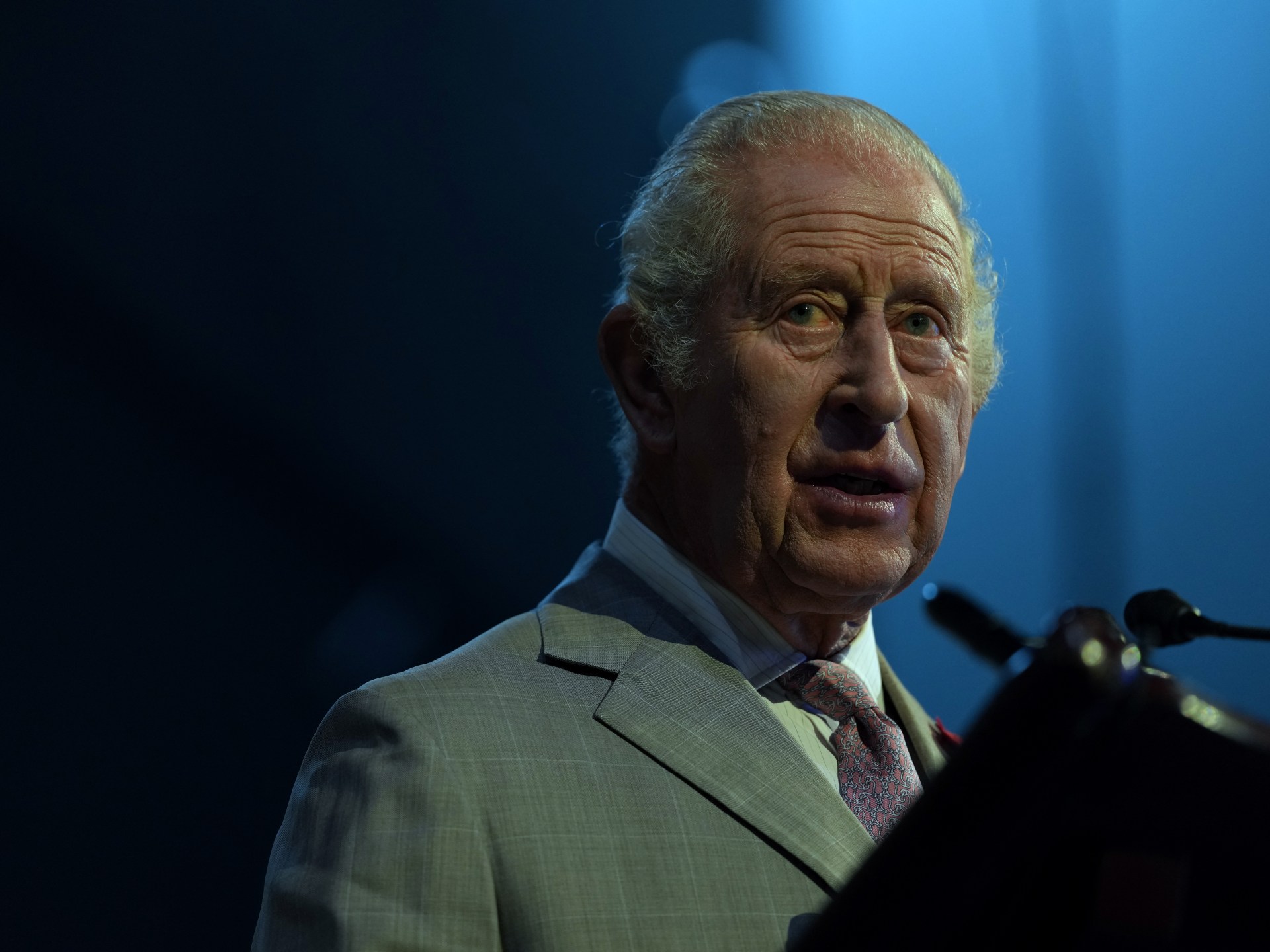
King Charles III described the transatlantic slave trade as a “shameful chapter of history” at a Commonwealth summit in Antigua and Barbuda, but stopped short of the formal apology sought by some Caribbean and African countries.
Opening the Commonwealth Heads of Government Meeting, Charles said the trade in enslaved people “still casts a shadow” over Caribbean islands and other Commonwealth members. It filled his heart with “horror” and his soul with “the most profound personal sorrow,” he said.
The king said he had deepened his understanding of slavery’s legacy by “listening, learning and looking” and had become more committed to finding ways for Commonwealth countries to address past wrongs through “action for the future.”
“History is not ours to choose or to change,” he told leaders. “Our inheritance includes both their achievements and their failures — the good they did as well as the wrongs.”
The speech offered no direct apology. According to Al Jazeera, Charles said the Royal Navy had played “a leading role” in ending the slave trade and proposed improving access to education, investing in jobs, encouraging trade among Commonwealth countries and strengthening climate resilience. Al Jazeera reported that he announced no measures to address the economic and social damage of slavery, and that Buckingham Palace had said he would not issue a formal apology during his Caribbean tour.
The question of reparations has followed the king through the region. In an interview reported by Al Jazeera, Guyanese President Mohamed Irfaan Ali said an apology should be Charles’s next step. The outlet reported that a small group of protesters outside the summit venue held signs reading, “Acknowledge the wrong. Commit to repair.”
“You have to apologise, yes. That is where we start with the repair,” Shana Michelle, a protester from Antigua, told Al Jazeera. “Technically, we’re free, but mentally a lot of us aren’t.”
British Prime Minister Andy Burnham, who attended the summit, has said Britain is open to a formal apology but has ruled out financial reparations, saying they are “not the right answer.” Writing in The Guardian, Burnham said he wanted “to express my sorrow and regret for the pain and suffering of so many millions of people,” according to Al Jazeera. The outlet reported that he also proposed a debt-restructuring programme for the Commonwealth’s poorest countries.
The reparations dispute also arose at the Commonwealth summit in Samoa in 2024, when leaders called for discussions despite opposition from then-British Prime Minister Keir Starmer, Al Jazeera reported.
The Commonwealth is a voluntary association of 56 nations, primarily former territories of the British Empire. Its leaders meet every two years; this summit’s theme is “Accelerating Partnerships and Investment for a Prosperous Commonwealth.” Charles also spoke of brutal conflicts, climate change and rapid technological development, according to the BBC.
The king and queen’s Caribbean tour included the Bahamas, where Charles spoke of the “suffering of the past,” and Guyana, where he visited the site of a rebellion in which hundreds of enslaved people were killed, the BBC reported.




Be First to Comment