Key takeaways:
- More than 100 European shops were affected on Monday, according to Al Jazeera.
- UK meat suppliers reported defrosting fridges and units reaching 100C, but no produce was lost in those incidents.
- Belgium has opened a criminal investigation, and no one has claimed responsibility.
Cyberattacks that raised the temperature of supermarket fridges and freezers across Europe have also reached parts of the UK food supply chain, though British officials say the impact there remains minimal. The attacks have forced some European retailers to discard food, and investigators have not identified who is responsible.
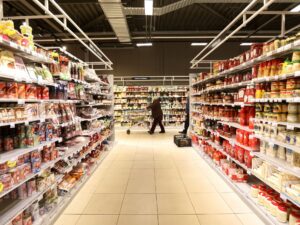
More than 100 shops in several European countries were affected on Monday, Al Jazeera reported. The BBC said around 40 Delhaize supermarkets in Belgium and Luxembourg were hit, along with smaller numbers of shops in Sweden, Ireland, the Netherlands, Estonia and Finland.
Other retailers reported disruptions. According to Al Jazeera, about 15 Carrefour locations in Belgium, five Spar franchise stores run by the Colruyt group and seven Swedish Coop stores were affected. Irish wholesaler Musgrave said refrigeration systems at 13 SuperValu stores were hit. A Belgian butcher, De Laet & Van Haver, said temperatures at one shop reached 18C, ruining meat worth about 15,000 euros ($16,764), Al Jazeera reported.
Sabcobel, a Belgian manufacturer of some affected refrigerators, said their evaporators had been switched to defrost mode, causing the units to warm, according to the BBC. The broadcaster reported that many retailers threw away spoiled food, with some putting their losses in the hundreds of thousands of euros.
Mathieu Tilman, who runs a Delhaize supermarket in Belgium, called the waste “truly distressing.” He told the BBC: “There’s so many people starving, people who don’t have enough to eat. How can we end up throwing away so much food?”
The attacks follow incidents at hundreds of French supermarkets in October that spoiled food worth millions of euros. The BBC said those attacks exploited previously identified vulnerabilities in systems used to manage refrigeration units remotely.
In Britain, the National Cyber Security Centre said it knew of “a couple of instances where vulnerable technology had been exploited in the UK.” The British Association of Independent Meat Suppliers told the BBC that two of its members saw fridges begin to defrost, while another saw cold units reach 100C (212F). The affected units were empty, so no produce was lost, association spokesman Tony Goodger said.
NCSC chief executive Richard Horne said the agency had “worked through the night” to alert potentially affected UK organisations. It was “too early to say” who was behind the attacks, he told the BBC. NCSC operations director Paul Chichester said the agency was working to identify and close vulnerabilities and that, for now, the UK impact was minimal.
Cybersecurity professor Awais Rashid told Al Jazeera that some remotely managed refrigeration systems are accessible over the internet, lack necessary software updates or use easily guessed passwords. Horne urged organisations to invest in renewing aging technology and keeping it secure.
Belgium’s prosecutor’s office has opened a criminal investigation, Al Jazeera reported. European Commissioner for Agriculture and Food Christophe Hansen called the attacks a “deliberate attempt to disrupt” food supplies, while saying “food security is not currently at risk … the food waste and impact on businesses are real.” No one has claimed responsibility.










Be First to Comment