Key takeaways:
- Republicans hold 53 Senate seats; Democrats need a net gain of four for a majority.
- A second candidate named Dan Sullivan is on the Alaska Senate ballot, prompting a dispute between the incumbent and Mary Peltola’s campaign.
- The House has 218 Republicans, an independent who caucuses with them, 214 Democrats and two vacancies.
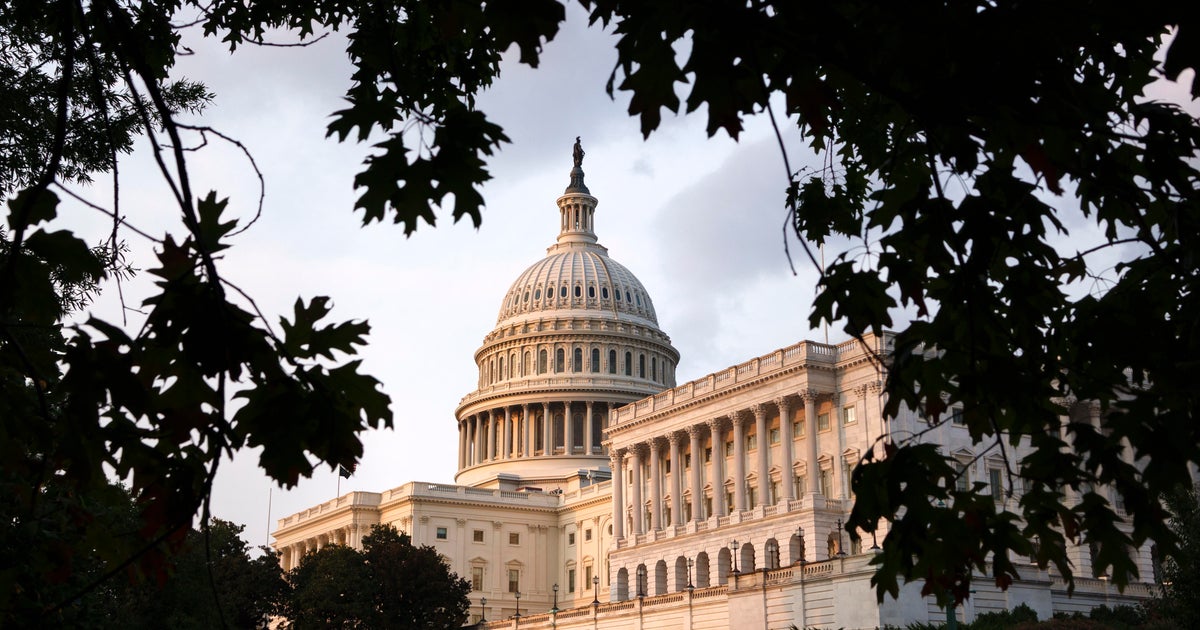
Democrats need a net gain of four Senate seats to take control of the chamber in the midterm elections, putting a handful of closely fought races at the center of the battle over President Donald Trump’s final two years in office.
Republicans hold 53 Senate seats to Democrats’ 47 and also control the narrowly divided House. The BBC reports that the independent Cook Political Report rates seven Senate contests as toss-ups. CBS News identifies 11 Senate races to watch, alongside 42 House contests that could help determine control of Congress.
In Alaska, Republican Sen. Dan Sullivan faces former Democratic Rep. Mary Peltola. A second candidate named Dan Sullivan is also on the ballot. The senator has accused Peltola’s campaign of links to an effort to confuse voters; her campaign denies any connection. The BBC reported that the issue is the subject of a state investigation and that a judge rejected a Justice Department lawsuit on Sunday. Alaska uses ranked-choice voting.
Maine Sen. Susan Collins, a Republican seeking a sixth term in a state that voted for Kamala Harris in 2024, faces Democrat Troy Jackson. Collins has cultivated a centrist reputation, while Jackson, a former state Senate president and logger, has emphasized his working-class background. Both oppose Trump’s tariffs on Canada; Jackson also favors abolishing the U.S. Immigration and Customs Enforcement agency, which Collins does not.
In Texas, Republican Attorney General Ken Paxton faces Democratic state Rep. James Talarico after defeating incumbent Sen. John Cornyn. Talarico has raised Paxton’s 2023 impeachment on allegations of corruption, bribery and abuse of power. Paxton denied the allegations and was acquitted by the state Senate, calling the impeachment a “politically motivated sham from the beginning.” The BBC described their contest as the most expensive Senate race ever and reported that Paxton has received support from more than $170 million in funds from Elon Musk.
An open Michigan seat pits former Republican Rep. Mike Rogers against Democrat Abdul El-Sayed, a former health official. El-Sayed supports government-run health insurance and abolishing ICE. Rogers has called for a quick end to the war with Iran, according to the BBC.
In Iowa, Republican Rep. Ashley Hinson faces Democratic state Rep. Josh Turek, a two-time Paralympic basketball gold medalist, for the seat Republican Sen. Joni Ernst is leaving. Other open-seat contests pair former Democratic Gov. Roy Cooper with former Republican National Committee Chairman Michael Whatley in North Carolina, and Democratic Rep. Chris Pappas with former Republican Sen. John Sununu in New Hampshire.
Democratic Sen. Jon Ossoff faces Republican Rep. Mike Collins in Georgia. In Ohio, Republican Sen. Jon Husted faces former Democratic Sen. Sherrod Brown. Kansas Republican Sen. Roger Marshall faces pastor Adam Hamilton, while South Carolina Republican Sen. Darline Graham, appointed after the death of her brother Lindsey Graham, seeks a full term against Democrat Annie Andrews.
All 435 House seats are up for election, with 218 needed for a majority. CBS News puts the current count at 218 Republicans, an independent who caucuses with them, 214 Democrats and two vacancies. Among its races to watch are contests in Arizona, California, Colorado and Florida.





Be First to Comment