Key takeaways:
- Yahya Mohamed Mosleh, 51, and Islam Yahya Mosleh, 18, each face one count of possession with intent to distribute a controlled substance.
- Investigators found Smax packages in both students’ rooms, but an affidavit said Robert Strang bought his package from a different store.
- Toxicology results were being expedited; prosecutors said the deaths appear consistent with overdoses, but kratom’s role remains unclear.
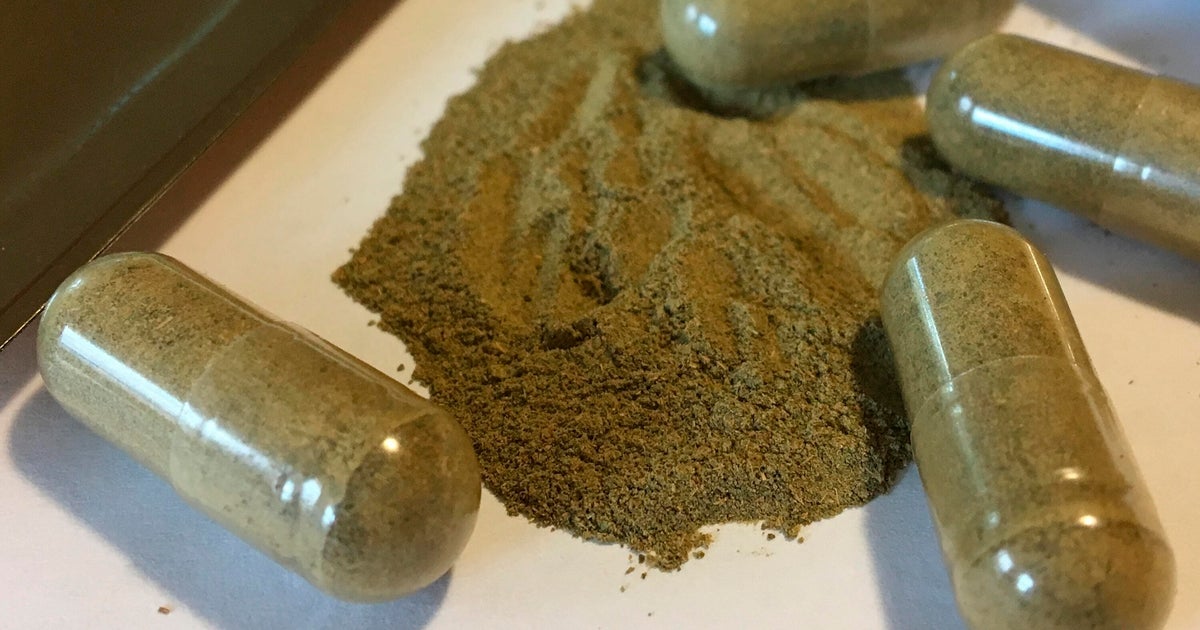
Federal authorities have charged an Oxford, Mississippi, store clerk and his son with selling an illegal kratom product as investigators examine the deaths of two University of Mississippi students. Prosecutors say both deaths appear consistent with drug overdoses, but it remains unclear whether kratom played a role.
The students, Aidan Hamilton, a freshman from Englewood, Colorado, and Robert Strang, a junior from Atlanta, were found dead Sept. 21 in separate locations, one on campus and the other off campus. Investigators found packages labeled “Smax” in both students’ rooms, according to the Justice Department. Two state agencies were working to expedite toxicology reports, Mississippi Gov. Tate Reeves said in a Sept. 23 statement.
Bank records show Hamilton made multiple purchases in September at a vape, tobacco and beer store in Oxford, according to a federal court filing. Investigators found what the Justice Department called a “suspected link” between the Smax packages and the store where Yahya Mohamed Mosleh, 51, and his son, Islam Yahya Mosleh, 18, worked.
The Guardian reported that a Drug Enforcement Administration affidavit described opened Smax packages in Hamilton’s room, with some pills missing. A package was also found in Strang’s room, but the affidavit said Strang bought it from a different store.
On Sept. 24, an informant sent by investigators bought kratom-based pills from Yahya Mosleh at the Oxford store. Mosleh warned the informant to “be careful taking the pills because people were dying from them,” DEA Special Agent Michael Dassance said in an affidavit.
When other customers entered, Mosleh told the informant to be quiet and pushed the pills out of sight, according to the affidavit. He completed the sale after they left and again urged caution, Dassance said.
Authorities arrested both men, and each faces one count of possession with intent to distribute a controlled substance. They appeared before a magistrate judge Thursday, who ruled there was sufficient evidence to charge them. Their attorneys, Scott Davis and A.E. Harlow Jr., said they had no comment.
Kratom comes from a tree native to Southeast Asia and acts as a stimulant at low doses and a sedative at high doses. It is legal at the federal level, but 11 states have banned it. Mississippi regulates its sale, including a requirement that buyers be at least 21, while Oxford has its own ban. The DEA banned three kratom-related compounds in August. Dassance said one of them was listed as an ingredient in products seized from the Oxford store and Hamilton’s room.
Proponents say pure, ground-leaf kratom can help manage pain, anxiety and depression and ease opioid withdrawal, while derivatives can be highly potent and are often synthetic. According to the U.S. Food and Drug Administration, kratom has been linked to deaths in rare cases, typically alongside other drugs, making its role unclear.
A Mississippi drug task force urged people to avoid kratom after the students’ deaths. The Lafayette County Metro Narcotics unit said Thursday that its investigation remained active and additional charges were possible.









Be First to Comment