Key takeaways:
- Iran plans to announce a maritime exclusion zone outside the Strait of Hormuz and stop vessels attempting to transit without Iranian permission, CBS News reported.
- Brent crude touched about $97 a barrel Monday, while U.S. gasoline averaged about $4.15 a gallon and diesel topped $5.90, according to Al Jazeera and AAA data.
- Iran raised gasoline prices for consumers exceeding a 110-liter monthly quota, a change state oil officials said would affect 15% of consumers.
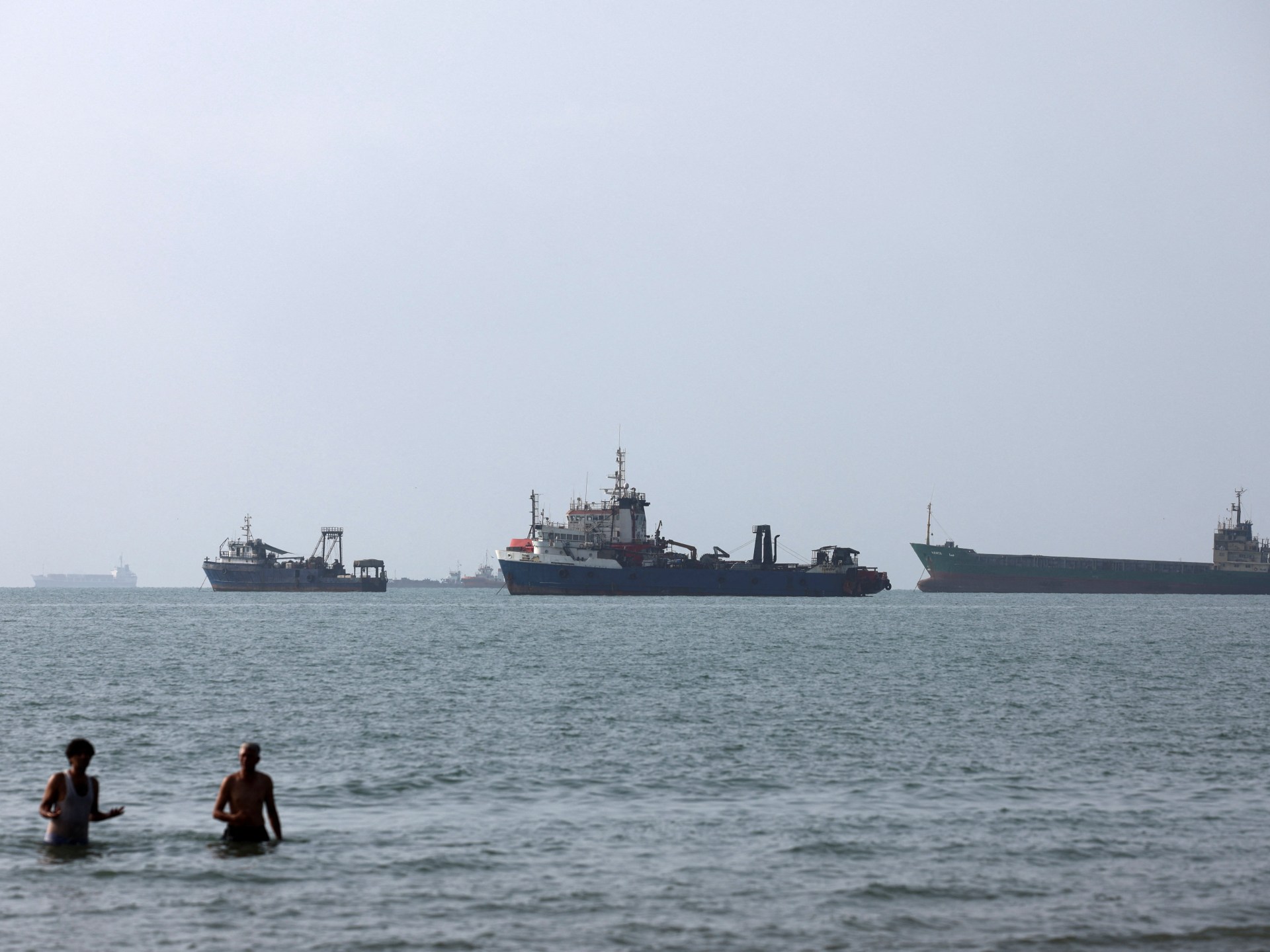
Iran said it is preparing to tighten control near the Strait of Hormuz, adding new pressure to global energy markets as oil prices climbed and shipping through one of the world’s most important chokepoints slowed.
The head of Iran’s Supreme National Security Council said Monday that Tehran plans to announce a maritime “exclusion zone” outside the Strait of Hormuz, where it intends to stop vessels attempting to pass without Iranian permission, CBS News reported. The announcement followed days of escalating strikes between the United States and Iran in and around the waterway, which Al Jazeera reported carries roughly a fifth of the world’s oil supply during peacetime.
The U.S. struck three Iranian oil tankers on Saturday, while Iran’s Islamic Revolutionary Guard Corps said it had struck three tankers and three U.S.-linked vessels in other areas, according to Al Jazeera. Iran threatened Sunday to deliver a “more intense and more painful” retaliation after the U.S. strikes on Iranian tankers in the Persian Gulf and Gulf of Oman.
Brent crude, the global oil benchmark, briefly touched about $97 a barrel Monday, near a six- to seven-week high. Al Jazeera reported Brent was up 9% over five days and 19% over the past month, while CBS News reported it had risen 8% the previous week. U.S. West Texas Intermediate crude rose to $92.27 a barrel, up 79 cents, according to Al Jazeera.
“This is a reflection of continued conflict and exchange of fire. The supply deficits globally are persisting, and there is little end to these shortages,” Rachel Ziemba, an adjunct senior fellow at the Center for a New American Security, told Al Jazeera.
Shipping has also slowed. Kpler, a data analytics platform cited by Al Jazeera, said an average of 10 commodity ships crossed the Strait of Hormuz each day over the previous 10 days. U.S. Central Command said Monday it had redirected 94 commercial ships accused of trying to violate a blockade on Iranian ports ordered by President Donald Trump, up from 92 a day earlier. Three ships have been disabled and two boarded, CBS News reported.
The conflict is reaching consumers. AAA data cited by Al Jazeera put the average U.S. gasoline price at $4.15 a gallon Monday, up from $4.08 a week earlier and $4.04 a month earlier. CBS News reported the average price was $4.14 heading into Labor Day weekend, nearly a dollar higher than last year and a record for that holiday weekend. Diesel prices, which Al Jazeera said hit an all-time high last week at $5.85 a gallon, topped $5.90 Monday.
Inside Iran, the government raised gasoline prices for the heaviest users early Tuesday, state media reported. People buying more than their monthly quota of 110 liters, or 29 gallons, must now pay 100,000 rials — about 7 cents — per liter, twice the rate charged since December. Keramat Veis Karami, chief executive of the state oil distribution company, said the higher rate would affect 15% of consumers, IRNA reported. He said consumption reached a record 145 million liters a day in August, above domestic production capacity of 122 million liters.
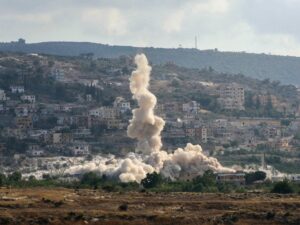
Regional violence also spread beyond the strait. Yemen’s Iran-backed Houthis accused Saudi Arabia of airstrikes, including a prison strike in Al-Hazm that Saba news agency said killed seven people, including a child, and wounded seven. In Lebanon, Israel said it struck Hezbollah infrastructure after explosive drones were launched toward its troops. Lebanon’s health ministry reported 12 people killed in overnight strikes, and Israel said it would “continue to operate to remove threats while remaining committed to the ceasefire agreement.”
The International Atomic Energy Agency also warned that its work in Iran remains stalled. Director-General Rafael Grossi said Monday there is currently “no engagement” with Tehran on renewed inspections, adding: “We do not subscribe to this logic” that cooperation should wait for a broader political agreement.







Be First to Comment