Key takeaways:
- China said cooperation with Iran is conducted within international law and rejected what it called illegal unilateral U.S. sanctions.
- The U.S. Treasury said it sanctioned nearly 60 entities, individuals and vessels tied to Iranian sanctions evasion and oil trade.
- Analysts cited by the BBC and Al Jazeera questioned whether the measures would significantly reduce Iranian oil flows to China or be enforced against Chinese entities before planned Trump-Xi talks.
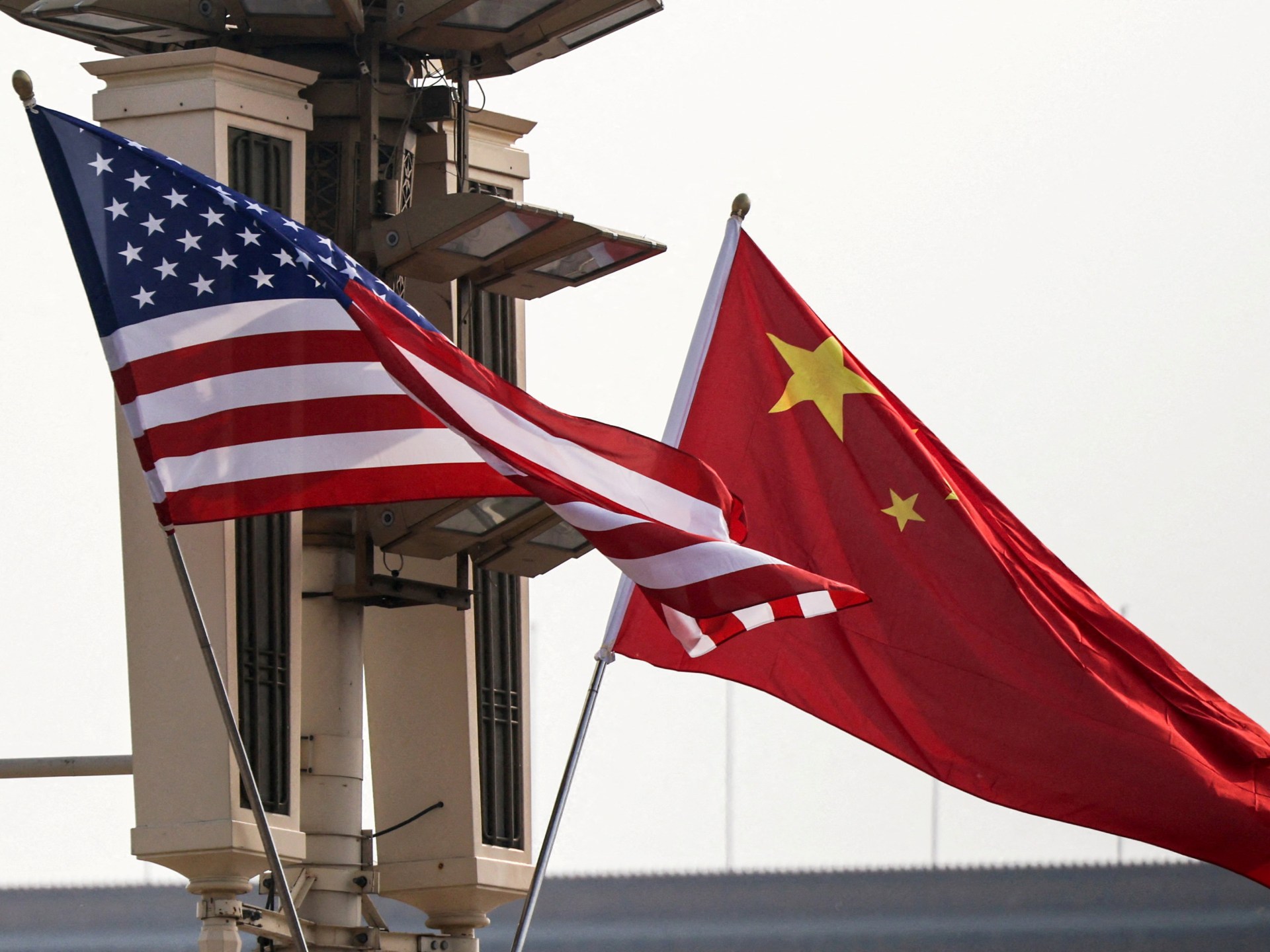
China pledged to defend its economic interests Tuesday after the United States announced a broad expansion of sanctions aimed at Iran and countries, banks and companies that continue doing business with Tehran.
Foreign Ministry spokesperson Lin Jian said Beijing “firmly opposes illegal unilateral sanctions” and would take “all necessary measures” to safeguard its rights. China is a major customer for Iranian oil, and the new U.S. measures could affect Chinese entities involved in that trade.
“Cooperation between China and Iran has always been conducted within the framework of international law and should not be interfered with or disrupted,” Lin told a regular briefing in Beijing.
The response followed an announcement by U.S. Treasury Secretary Scott Bessent, who described the sanctions drive as “the single greatest financial offensive ever” against Iran. The U.S. Treasury has dubbed the campaign “Operation Economic Outcast” and called it an “economic D-Day” against Tehran.
Bessent said Washington had mapped financial channels, facilitators and networks used by Iran to evade sanctions and trade oil, and had imposed penalties on nearly 60 entities, individuals and vessels. He warned that banks and businesses that continue working with Iran would share in its isolation.
Asked whether Chinese banks could be targeted, Bessent said, “No one is above the reach of US sanctions.” He also said President Donald Trump would call world leaders with “specific requests to cease their interactions with the regime.”
The sanctions announcement comes nearly six months after the start of the Iran conflict. Al Jazeera described it as the U.S.-Israel war on Iran, while the BBC reported that the conflict has driven up global oil prices, with Tehran effectively blocking exports through the Strait of Hormuz and the U.S. slowing traffic through its own naval blockade. The BBC also reported that a 60-day ceasefire formally expired last week with no sign of a settlement after recent diplomatic efforts failed.
Iranian Economy Minister Ali Madanizadeh told state television that Tehran was “fully prepared” for the wider sanctions and said they would lead to “another defeat” for the United States. “The government is and was ready and has a two-year plan to manage these events,” he said. “We also have our own tools and know how to play the game.”
China has advocated for a ceasefire and has said U.S. sanctions will not resolve the conflict. Beijing remains directly affected by disruption in the Strait of Hormuz, Al Jazeera reported. Before the war, Iran continued exporting millions of barrels of oil, mostly to China, despite decades of sanctions and the use of complex international financial networks to evade restrictions, according to Al Jazeera.
Analysts cited by both outlets questioned how far Washington’s campaign would go against Chinese interests. David Oxley, chief climate and commodities economist at Capital Economics, told the BBC the direct effect on Iran’s energy revenues would be “somewhat of a damp squib,” adding that the package would likely have “only a limited direct impact on Iranian energy flows in the short term.” He said roughly 90% of Iran’s oil goes to China, which “has not recognised US sanctions in the past and is unlikely to be cowed this time either.”
Trita Parsi, executive vice president of the Quincy Institute for Responsible Statecraft, told Al Jazeera that sanctions on Chinese entities may be unlikely ahead of planned talks between Trump and Chinese President Xi Jinping next month. “I suspect that we will see a lot of resistance from the Chinese if the US actually ends up going after Chinese companies,” he said.
Other Iranian trade partners that could be affected include India and Russia, the BBC reported. They have not yet responded.




Be First to Comment