Key takeaways:
- Trump wrote on Truth Social that the United States is giving “serious consideration” to renaming Lake Ontario “Lake America.”
- The United States began imposing 50% tariffs on hundreds of Canadian goods after trade talks failed, and Trump announced 50% tariffs on Canadian automotive and steel imports beginning in January.
- Canadian Trade Minister Dominic LeBlanc said Canada still prefers a deal but is “not waiting by the phone” as it prepares retaliatory tariffs.
President Trump threatened Tuesday to rename Lake Ontario “Lake America” as a trade fight with Canada intensified, tying the possible change to a sharp deterioration in business ties with Ontario, Canada’s most populous province.
“The United States is giving serious consideration to changing the name of Lake Ontario to Lake America in that we don’t expect to doing much business with Ontario any longer,” Trump wrote on Truth Social.
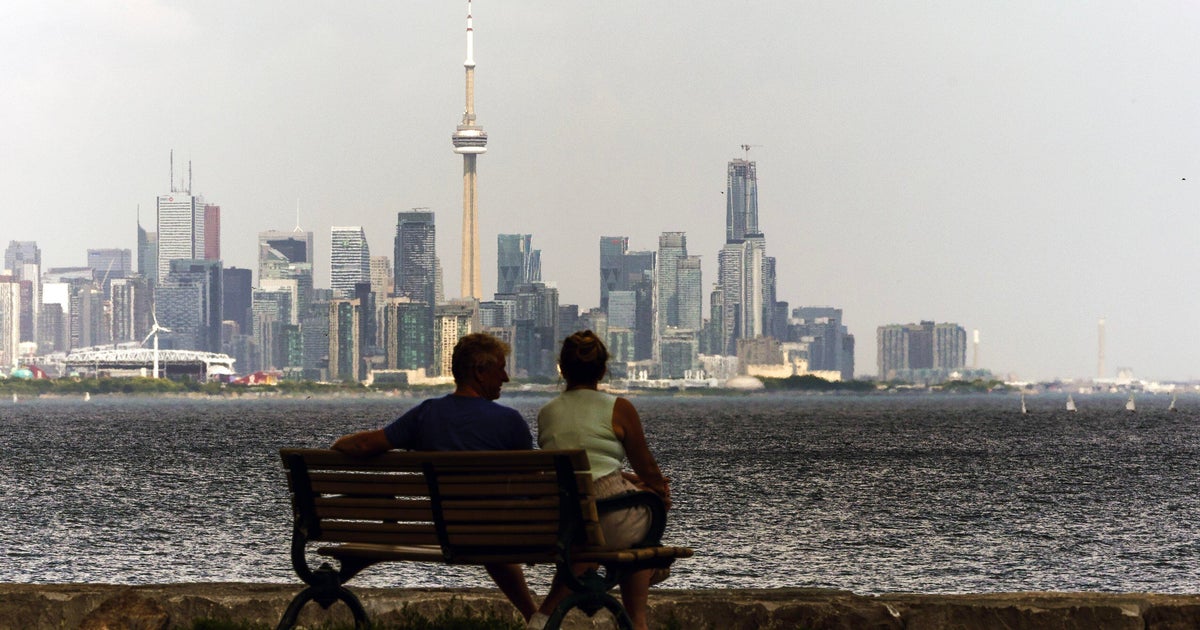
Lake Ontario straddles the border between the two countries, with New York state on one side and Ontario on the other. Toronto, Ontario’s capital, sits along the lake. The waterway has long carried the name of the Canadian province and is one of the most visible shared geographic features between the United States and Canada.
Trump’s remarks came after trade tensions between the longtime allies escalated over the weekend. The United States began imposing 50% tariffs on hundreds of Canadian goods on Saturday after negotiators failed to reach a deal to resolve the dispute, CBS News reported. Canadian Prime Minister Mark Carney responded by promising new retaliatory tariffs against the United States.
Canada’s trade minister, Dominic LeBlanc, told CNBC on Tuesday that Canada was likely to unveil retaliatory tariffs on U.S. imports after talks collapsed and 50% duties on $20 billion worth of Canadian goods took effect, according to The Guardian.
“Our preference was to find a deal that benefits both countries,” LeBlanc said. “We still believe that’s possible. But in the meantime, we’re not waiting by the phone.”
On Monday, Trump announced that the United States would impose a 50% tariff on all Canadian automotive and steel imports beginning in January. He accused Canada of taking advantage of the United States, writing that “Canada has been ripping off the United States of America for years.” He added: “Canada will be treated like a State no longer!”
The dispute has also drawn in Ontario Premier Doug Ford, who sparred publicly with Trump on Monday. Ford called the U.S. president a “loser” and a “dictator” and pledged to “fight with everything we have,” CBS News reported.
Trump also rejected claims that trade talks with Canada collapsed partly over a proposed agreement that would have weakened French-language protections. “I would never interfere with Canadians speaking French!” he wrote on Truth Social, according to The Guardian. “In fact, I have never even thought of doing such a stupid thing. This lie was made up by a weak and ineffective Prime Minister in an attempt to gain political support, which he has totally lost, from the people of Quebec.”
Quebec, Canada’s predominantly French-speaking province, has long sought to protect its distinct identity. The Guardian reported that some of its rules have frustrated U.S. negotiators, including Bill 96, which requires products sold in Quebec to have a French description and certain trademarks using generic terms to be translated into French, and Bill 109, which requires media services such as Netflix, Spotify and Apple to promote and prioritize French content for Quebec users.
The Lake Ontario remark follows Trump’s earlier move to rename another geographic landmark. When he returned to office in early 2025, he announced plans to change the name of the Gulf of Mexico to the “Gulf of America” and later signed an executive order applying the new name to federal references. Other nations are not required to recognize that change. Mexico argued the United States cannot legally change the Gulf’s name because, under the United Nations Convention on the Law of the Sea, a country’s sovereign territory extends only up to 12 nautical miles from its coastline.












Be First to Comment