Key takeaways:
- Treasury Secretary Scott Bessent is expected to unveil new Iran sanctions Monday, calling them “the single greatest financial offensive ever marshalled against an adversary.”
- Iranian security chief Mohsen Rezai warned that countries joining U.S. economic restrictions would be considered enemies and said Iran could harm their interests.
- Iran and Oman are set to continue talks Tuesday on managing the Strait of Hormuz, including possible ship fees and designated transit routes.
The United States is preparing to unveil a sweeping new sanctions package against Iran, escalating economic pressure on Tehran as Iran warns that countries joining the U.S. campaign will be treated as enemies and talks continue over the future of the Strait of Hormuz.
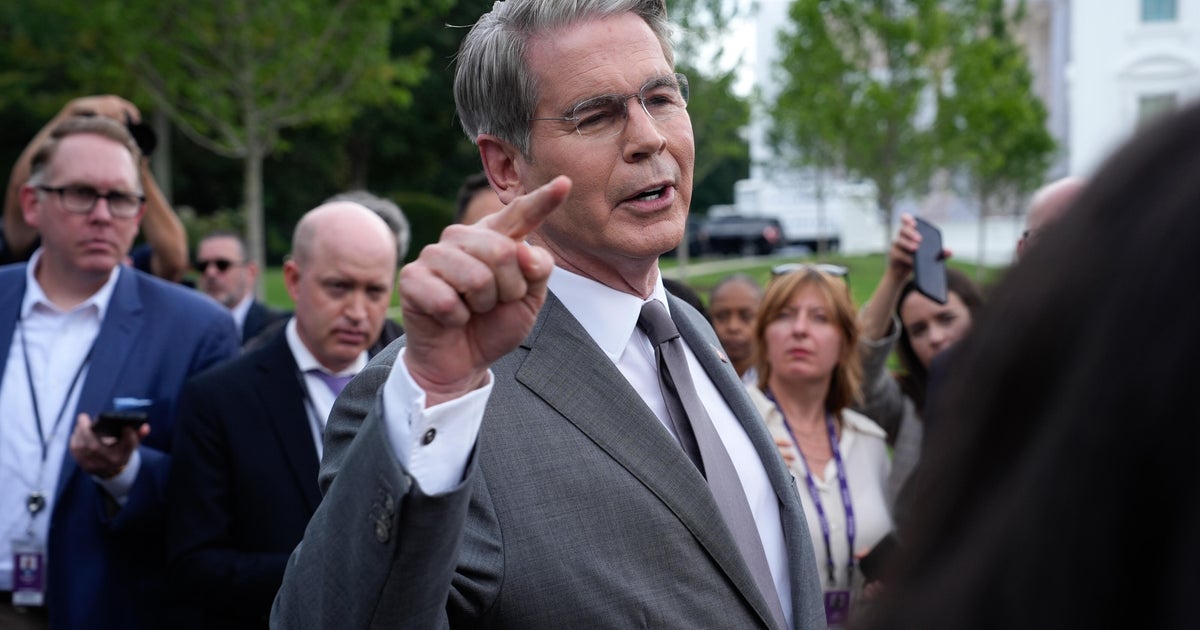
Treasury Secretary Scott Bessent is expected to announce the measures Monday, describing them as “the single greatest financial offensive ever marshalled against an adversary.” He said Washington aims to “sever every economic lifeline” sustaining Iran, according to Al Jazeera, and warned that the U.S. would unleash an “economic D-Day” on Tehran.
The phrase was first used by President Donald Trump last week as he signaled a shift toward economic pressure after months of military pressure and a failed effort to negotiate an end to the war. Trump said the U.S. would enforce “Economic Warfare and Isolation on an unprecedented scale” and called on other countries to help enforce sanctions, though the specific measures had not yet been announced.
Bessent, writing in the Financial Times, urged Iran’s allies to cut ties with Tehran, saying that doing so would “deepen their access to global capital, reinforce confidence in their markets and attain the standing they seek in the world economy.”
Iran has responded with threats of its own. Mohsen Rezai, head of Iran’s Supreme National Security Council, warned countries against participating in what he called the United States’ “economic war.”
“We declare to all countries… do not join the economic war waged by the United States. Any country participating in the imposition of economic restrictions against us is considered an enemy,” Rezai said on state television. He added that if those countries refuse to “distance themselves” from Washington, Iran would “harm” their interests.
Al Jazeera reported that Rezai also warned Tehran would halt all oil exports from the Gulf if Trump’s “economic war” continues and would treat any country’s support for U.S. sanctions as “an act of war.” CBS News reported that Rezai said Iran had more options available, saying, “We have not yet attacked any American economic interests.”
The pressure campaign comes as Iran and Oman prepare to continue talks Tuesday on management of the Strait of Hormuz, a vital shipping passage bordered by both countries. Iranian Foreign Ministry spokesperson Esmail Baghaei said Oman’s foreign minister will travel to Tehran to meet Iranian officials.
The two countries have been negotiating for weeks over how to manage ship traffic through the waterway. Proposals under discussion include fees for ships passing through the strait and designated routes for entering and exiting the area. Al Jazeera reported that a draft law says ships from countries permitted to pass through the Strait of Hormuz would pay for services provided by Tehran.
There are still no signs of compromise on reopening the strait, which remains a central issue in the conflict.
Iranian President Masoud Pezeshkian said Sunday that a memorandum of understanding signed with the United States in June remains the best path out of what he described as a state of “neither war nor peace.” The agreement, signed by Trump, set a 60-day deadline to end the war with Iran and reach an accord on its nuclear program. That deadline expired last week after stalled progress and flare-ups, and both sides have said they abandoned the deal.
“There is not a single provision in this agreement that amounts to capitulation,” Pezeshkian said in a speech published by Iran’s state-run IRNA news agency. “The supreme leader sets the policies, and we will follow that path.”
In Europe, Greek media reported Monday that the Greek military moved a Patriot missile interceptor system from the island of Karpathos to Crete, where there is a major U.S. base at Souda. The reported move followed Iranian threats to strike U.S. military bases in Europe if Trump increases military pressure over the Strait of Hormuz. The Greek Defense Ministry did not comment on the reported transfer.












Be First to Comment