Key takeaways:
- UKMTO said a tanker was struck by a projectile off Oman, and Reuters identified it as the Qatari LNG tanker Al Rekayyat.
- Reuters reported a second vessel, a Saudi-flagged crude oil tanker believed to be Wedyan, was also damaged near the Strait of Hormuz.
- Iranian Foreign Minister Abbas Araghchi said final negotiations will not begin if threats continue after President Trump warned the U.S. could “finish the job.”
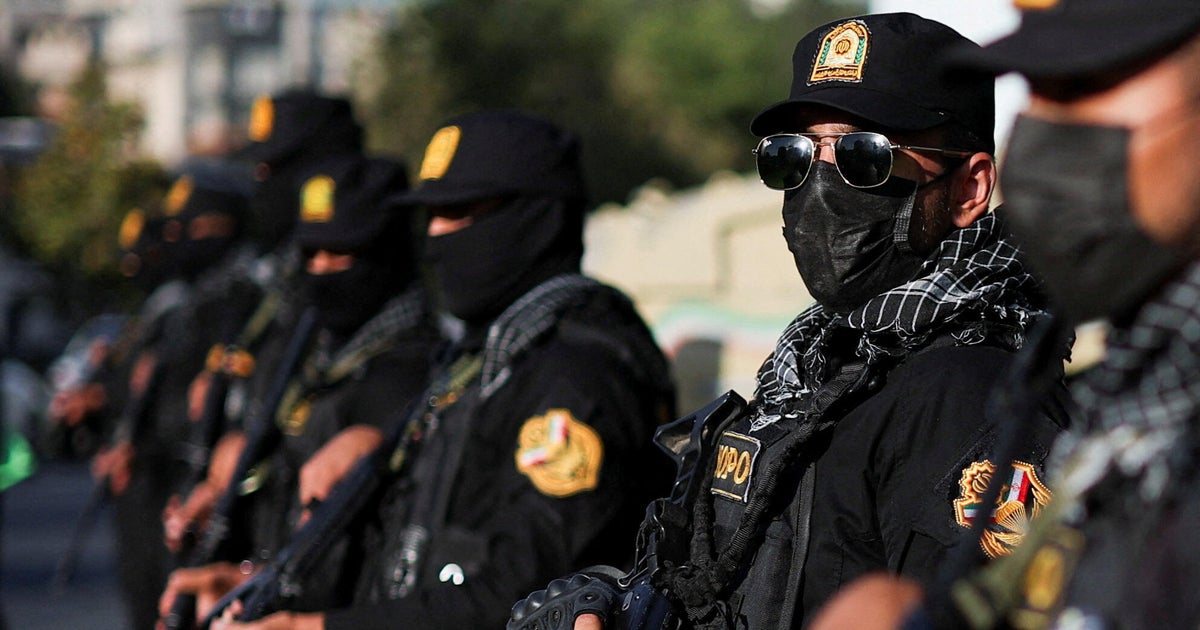
A tanker carrying liquefied natural gas caught fire after being hit by a projectile in the Strait of Hormuz, adding new strain to stalled U.S.-Iran peace talks as Tehran warned it would not negotiate under American threats.
The United Kingdom Maritime Trade Operations center said early Tuesday that a tanker was struck on its port side while traveling southbound about 8 nautical miles, or 15 kilometers, off Limah on Oman’s coast. The vessel caught fire after the hit. Iranian state television said the LNG tanker had ignored warnings before it came under attack, but Tehran did not directly claim responsibility.
Reuters, citing unnamed sources, identified the vessel as the Qatari tanker Al Rekayyat and reported that it was carrying LNG and sent distress signals after being hit. A source briefed on the incident told Reuters the tanker was at risk of exploding because of a fire in its engine room. Reuters also reported that a Saudi-flagged crude oil tanker, believed to be the supertanker Wedyan and owned and managed by Saudi shipping firm Bahri, was damaged near the strait, though the cause was unclear.
Axios, citing two unnamed U.S. officials, reported that Iran’s Islamic Revolutionary Guard Corps fired at least two missiles at commercial ships transiting the strait Monday night and that two ships suffered significant damage. No casualties were reported, according to Al Jazeera. Neither U.S. Central Command nor the IRGC commented on the incident.
The attacks come as the United States and Iran try to turn a preliminary memorandum of understanding signed June 14 into a lasting settlement to the war, which began Feb. 28 with U.S.-Israeli strikes on Iran. The war has been paused under the memorandum, which provides 60 days for negotiations. A round of indirect talks in Qatar ended last week with no sign of progress, Al Jazeera reported.
The Strait of Hormuz has become one of the main disputes. Before the war, about 120 to 140 vessels crossed the waterway each day, roughly half of them oil tankers carrying about 20 million barrels per day. About 20 percent of the world’s oil and gas supplies moved through the strait before the war. Traffic fell to as few as two tankers a day at the height of the conflict, according to Al Jazeera.
Iran has restricted shipping through the strait since early March, at times allowing passage only for vessels from select countries that negotiated transit with the IRGC. Al Jazeera reported that some ships paid as much as $2 million at one point during the war. The United States imposed a corresponding naval blockade on Iranian ports, including those in the strait, in June.
Kpler said Monday that traffic over the weekend showed “resilience,” with 108 verified crossings: 43 on July 3, 34 on July 4 and 31 on July 5. Still, uncertainty remains over the memorandum’s wording on shipping and over whether mines are present in the channel. In April, the IRGC released a map of an approved safe route closer to Iran’s coastline, saying it would avoid any mines, though it has not confirmed mines are in the strait.
President Trump warned Iran on Monday that the U.S. would escalate if no deal is reached. “We’re either going to make a deal or we’re going to finish the job,” he said. “I’d rather make a deal, because I don’t want to affect 91 million people.” He added: “We can knock down their bridges in one hour. We can knock out their energy supply.”
Iranian Foreign Minister Abbas Araghchi said Tuesday that talks would not resume if threats continued, citing the memorandum’s call for both sides to refrain from threats or the use of force. “Negotiations on final Deal will not commence if threats continue,” he wrote. “Honor your signature.”
The diplomatic pause also coincides with funeral processions for former Iranian Supreme Leader Ayatollah Ali Khamenei, who was killed in strikes on the first day of the war. Iranian state television showed large crowds gathering near Qom for the week-long funeral. Some mourners called for revenge against the United States and Israel, CBS News reported.






Be First to Comment