Key takeaways:
- The Supreme Court invalidated Hawaii’s rule requiring concealed-carry permit holders to obtain permission before entering private property open to the public while armed.
- The 6-3 ruling sided with Maui gun owners and the Hawaii Firearms Coalition in Wolford v. Lopez.
- The decision does not affect Hawaii restrictions on guns in places such as bars, beaches, parks, schools or government buildings.
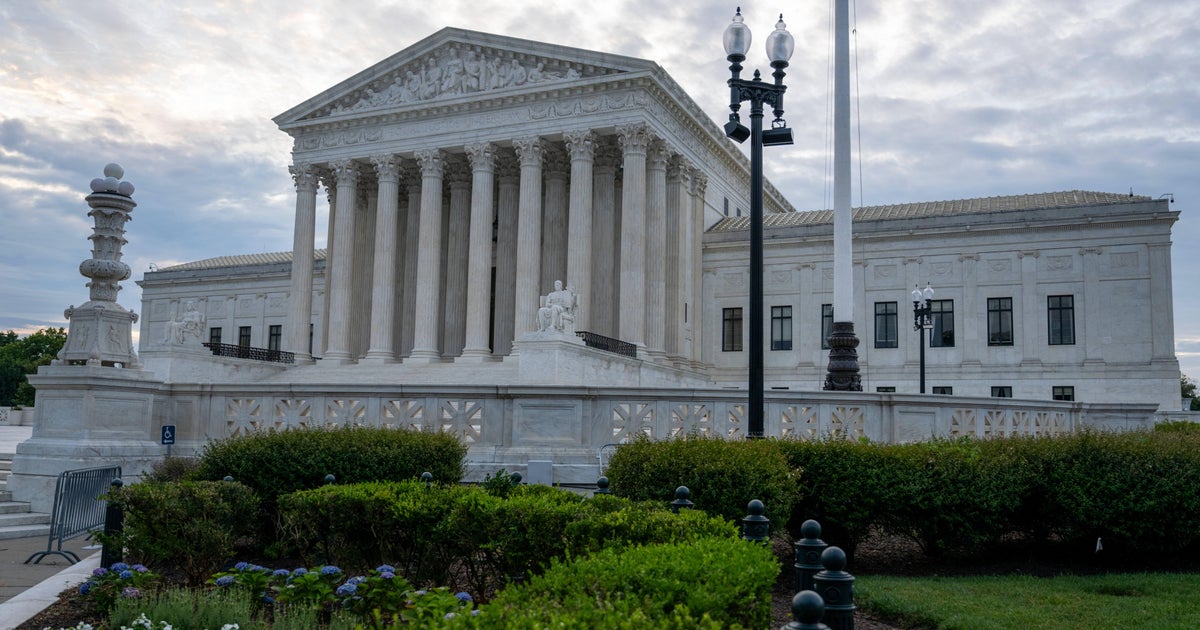
The Supreme Court on Thursday struck down a Hawaii gun restriction that required concealed-carry permit holders to get permission before bringing firearms onto private property open to the public, ruling that the measure violated the Second Amendment.
The 6-3 decision in Wolford v. Lopez sided with three Maui County gun owners and the Hawaii Firearms Coalition, who argued that the state’s rule sharply limited their ability to carry firearms in public. The law applied to places such as gas stations, restaurants and stores. Violators faced a misdemeanor punishable by up to one year in prison.
The provision has been called the “vampire rule” because, as in “Dracula” and related stories, it allowed entry only by invitation. Under Hawaii’s law, a person with a concealed-carry permit could not enter covered private property while armed unless the property owner had given permission.
The ruling does not affect Hawaii’s other restrictions on firearms in places such as bars, beaches or parks, which were not at issue in the case. It also does not disturb limits on guns in sensitive locations such as schools or government buildings.
Hawaii enacted the rule in 2023 as part of a broader gun law after the Supreme Court’s landmark 2022 decision recognizing for the first time that the Second Amendment protects the right to carry a firearm outside the home. That ruling created a historical test for gun regulations, requiring the government to show that a restriction is consistent with the nation’s historical tradition of firearms regulation.
The Hawaii case became another test of that framework. In 2024, the Supreme Court upheld a federal law barring people subject to domestic violence restraining orders from having guns. Last week, in another firearms case, the court said the government cannot automatically disarm people who regularly use marijuana and are not dangerous.
The Hawaii challengers included Maui residents Jason Wolford, Alison Wolford and Atom Kasprzycki, all gun owners with concealed-carry licenses, along with the Hawaii Firearms Coalition. They filed suit in 2023, saying the private-property rule conflicted with the 2022 public-carry ruling and infringed on their right to bear arms.
A federal district court initially sided with the challengers, finding the restriction likely violated the Second Amendment as applied to property accessible to the public. But the 9th U.S. Circuit Court of Appeals, based in San Francisco, ruled in Hawaii’s favor in September 2024.
At the Supreme Court, the Trump administration backed the gun owners. It argued that the Hawaii measure was “blatantly unconstitutional” and effectively blocked public carry because an armed permit holder could risk committing a crime by stopping for gas or running errands at a grocery store.
The practical effect of the ruling is limited because most states already allow licensed handgun owners to carry firearms onto private property open to the public. Hawaii is one of five states with laws presumptively restricting carry by license holders on such property. Similar measures in New York, California and Maryland have been blocked by courts, while NBC News reported that New Jersey also took a similar approach. In the remaining 45 states, licensed handgun owners generally can carry arms onto publicly accessible private property.












Be First to Comment