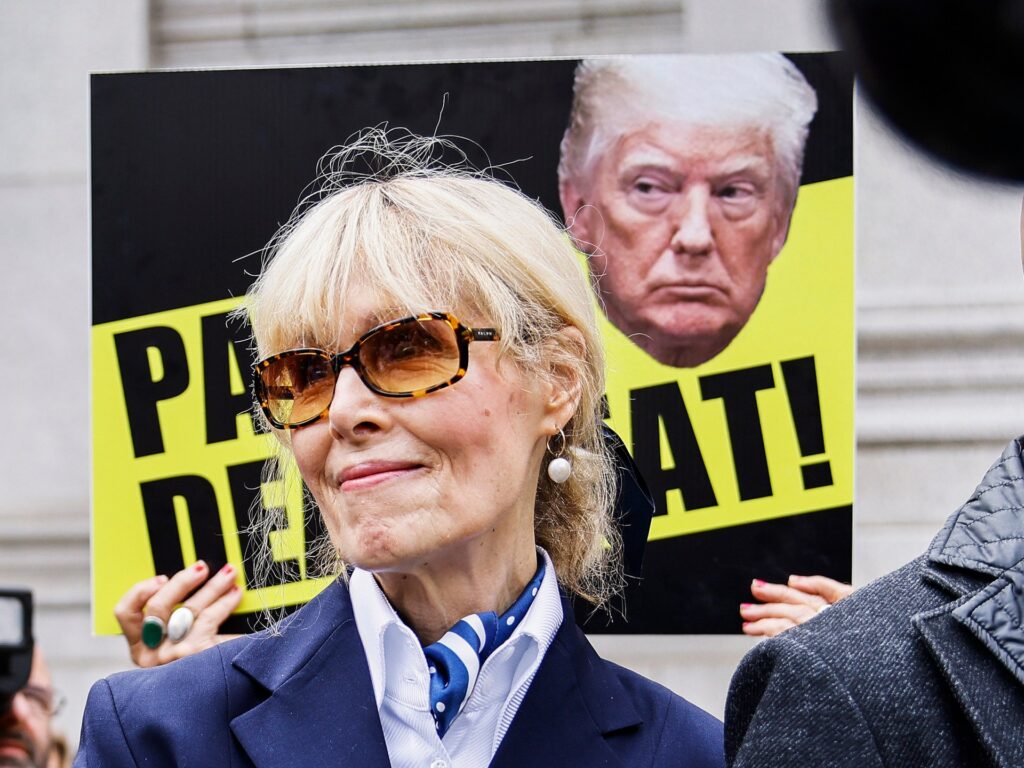
E Jean Carroll is seeking nearly $5.8 million from Donald Trump after the Supreme Court declined to review his appeal of a civil verdict finding him liable for sexual abuse and defamation. A judge has allowed Carroll to pursue payment on an expedited basis.
Posts tagged as “The Supreme Court’s”
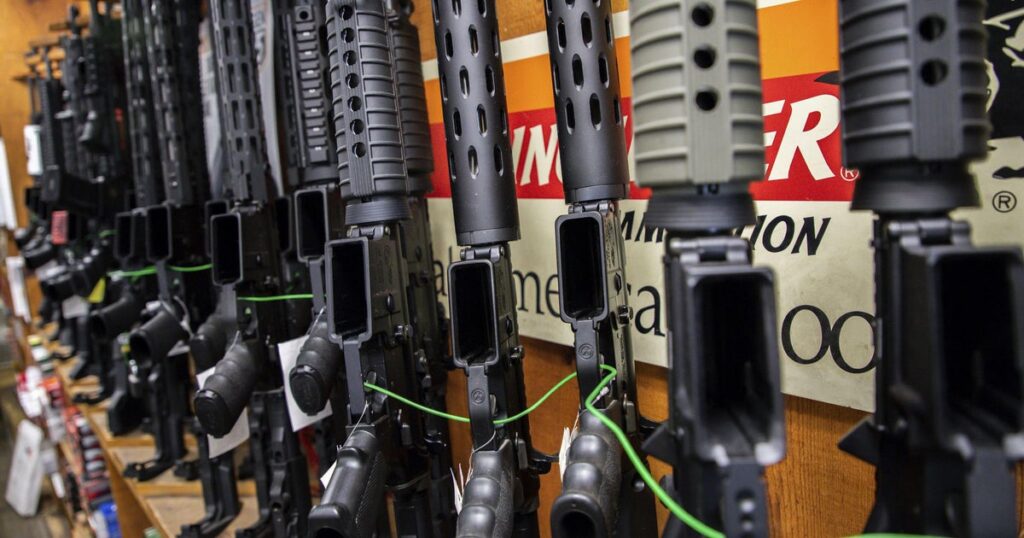
The Supreme Court will decide whether states and local governments may ban AR-15-style rifles. The cases challenge laws in Connecticut and Cook County, Illinois, and will be heard in the court’s next term.
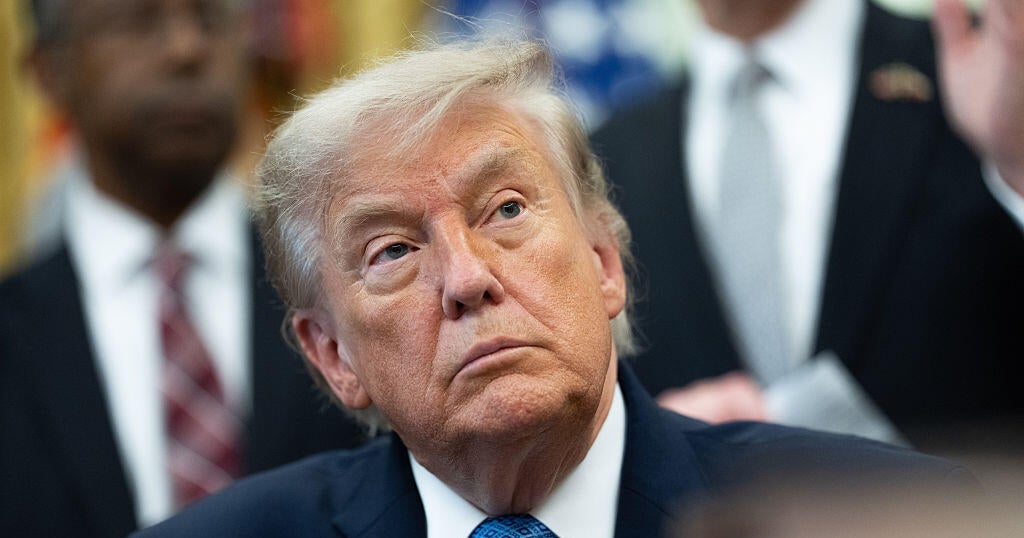
The Supreme Court ruled 6-3 that President Trump’s executive order limiting birthright citizenship was unlawful. The decision reaffirms the long-standing interpretation that nearly all people born in the United States are citizens.
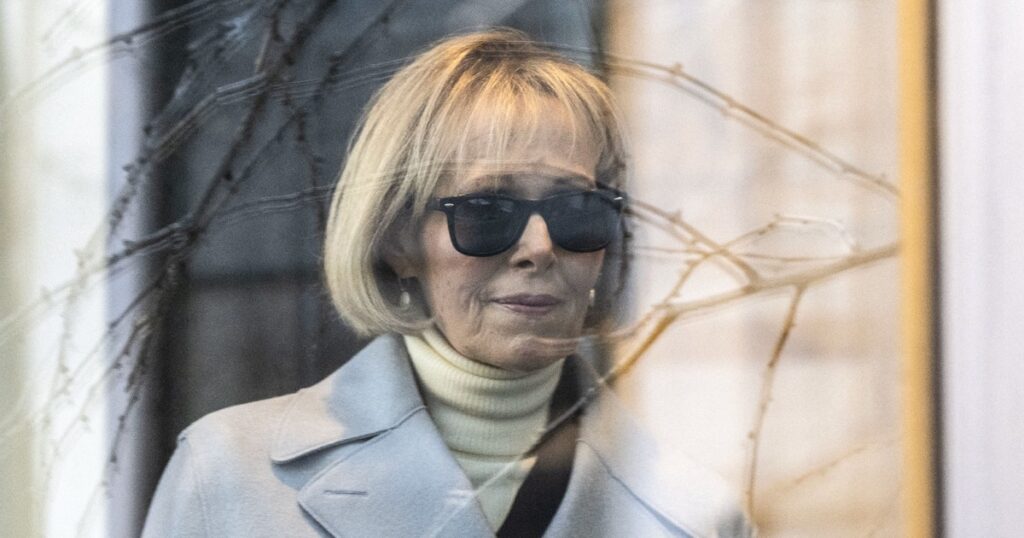
The Supreme Court declined to hear Donald Trump’s appeal of a civil verdict finding him liable for sexually abusing and defaming E. Jean Carroll. The decision leaves a $5 million judgment in place and ends Trump’s effort to overturn that case.
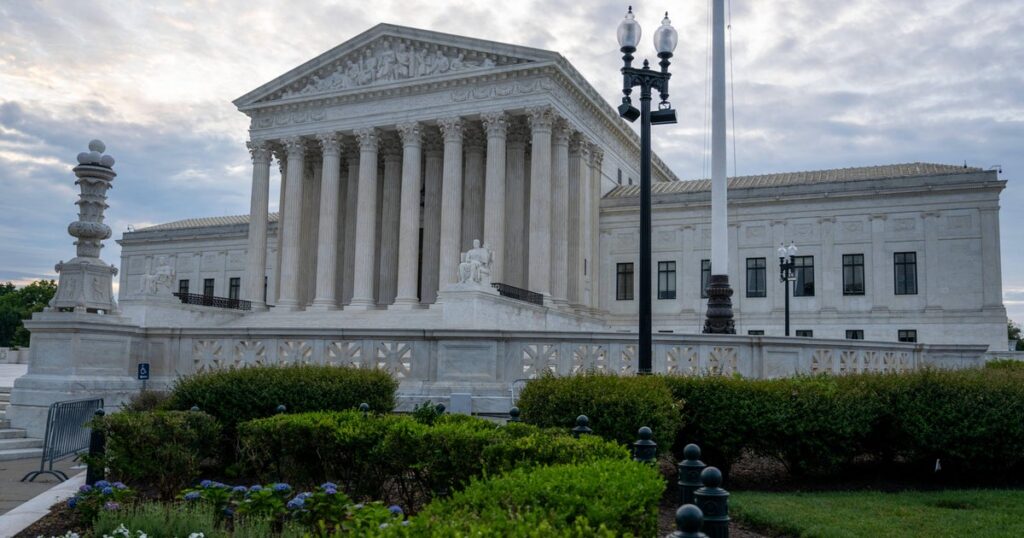
The Supreme Court ruled 6-3 that Hawaii cannot require concealed-carry permit holders to get permission before bringing guns onto private property open to the public. The decision leaves other Hawaii gun restrictions, including limits in sensitive locations, intact.
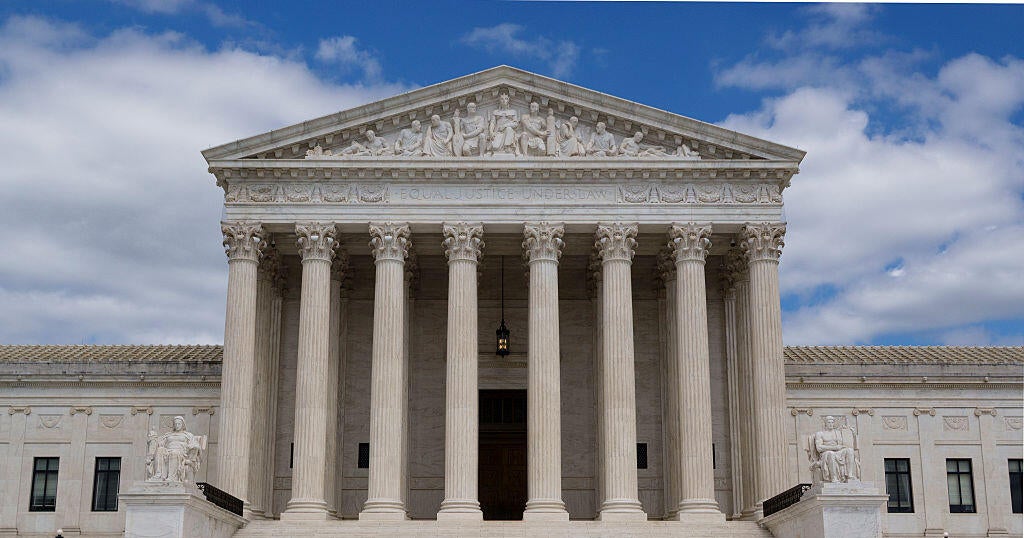
The Supreme Court unanimously sided with Ali Danial Hemani, a Texas marijuana user charged under a federal ban on gun possession by unlawful drug users. The justices said the ruling was narrow and did not invalidate the law in full.
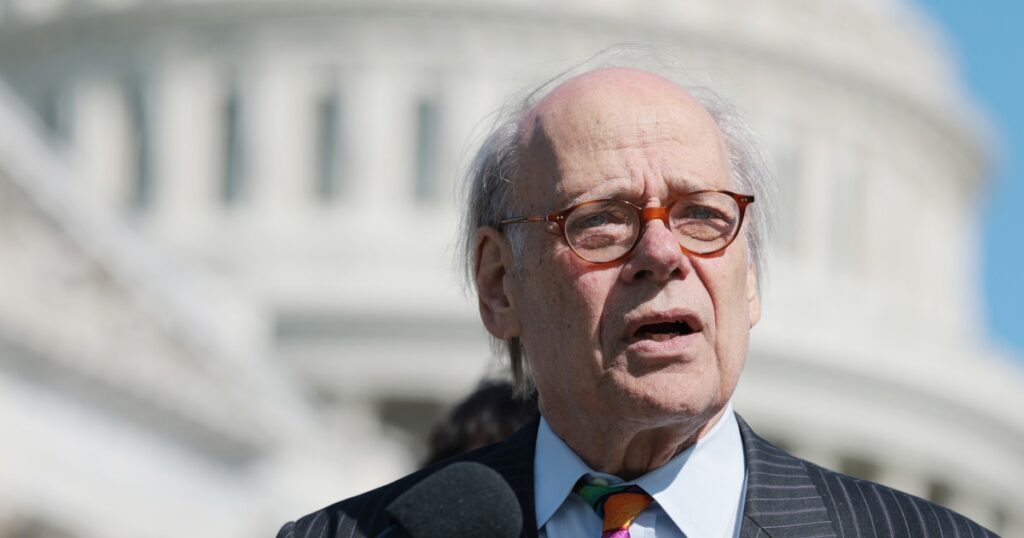
Rep. Steve Cohen announces he will not seek reelection after Tennessee’s GOP-led redistricting splits his Memphis district, a move he says dilutes Black voting power. Cohen may reconsider if legal challenges to the new map succeed.
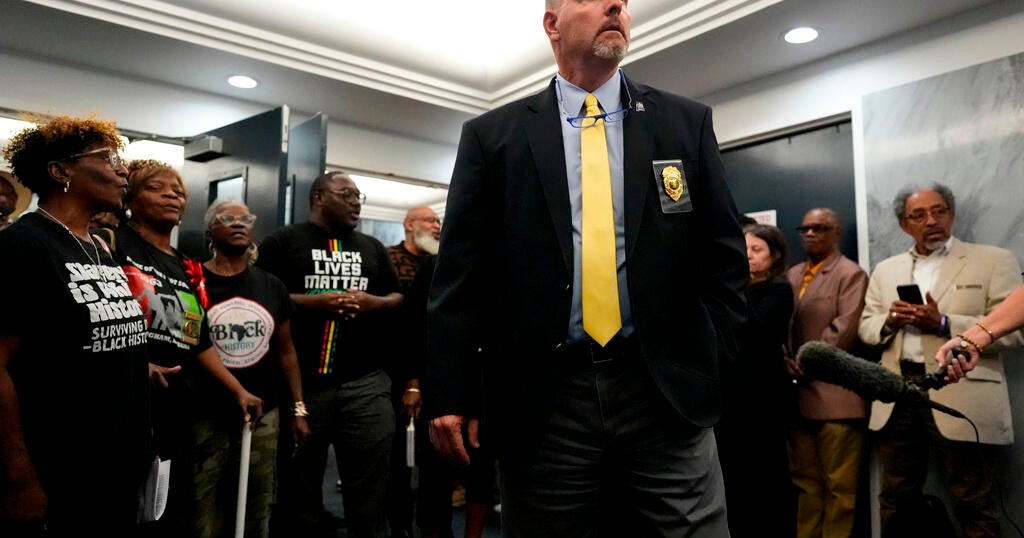
Alabama passes legislation allowing new primary elections if courts permit use of a Republican-drawn congressional map that reduces Democratic seats. The move follows a Supreme Court ruling narrowing the Voting Rights Act and is part of a wider southern GOP effort to redraw districts before the midterms.