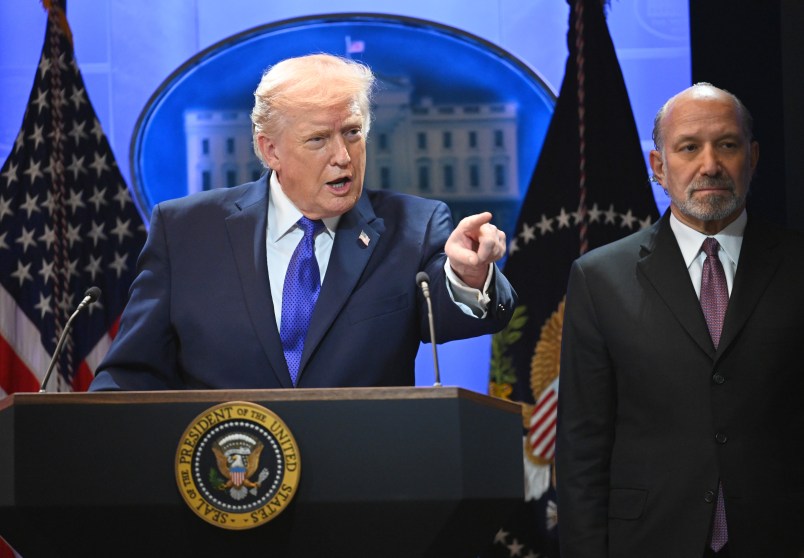
A U.S. trade court invalidates President Trump’s 10% tariffs, ordering refunds to businesses and citing failure to meet legal standards under the Trade Act of 1974. The ruling follows a Supreme Court decision that blocked Trump’s earlier tariffs.
Posts tagged as “The Supreme Court’s”
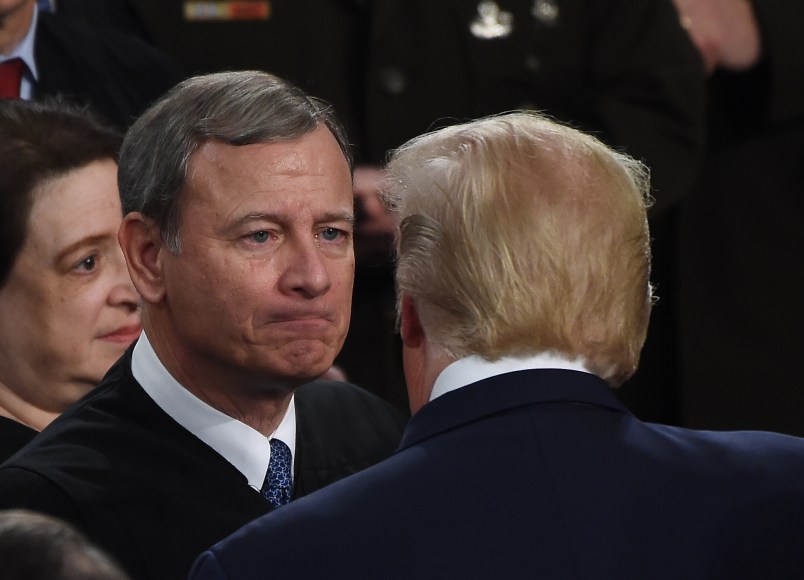
The U.S. Supreme Court heard arguments in Trump v. Barbara, a case challenging President Trump’s executive order to end birthright citizenship for children born in the U.S. to undocumented immigrants, focusing on the interpretation of the 14th Amendment’s Citizenship Clause. Justices expressed skepticism about the administration’s narrow reading of “subject to the jurisdiction thereof,” with several questioning the practicality and historical basis of excluding children of undocumented parents from citizenship. The Court’s forthcoming decision could significantly impact immigration policy and constitutional rights, with indications that a majority may uphold the longstanding broad protections of birthright citizenship.
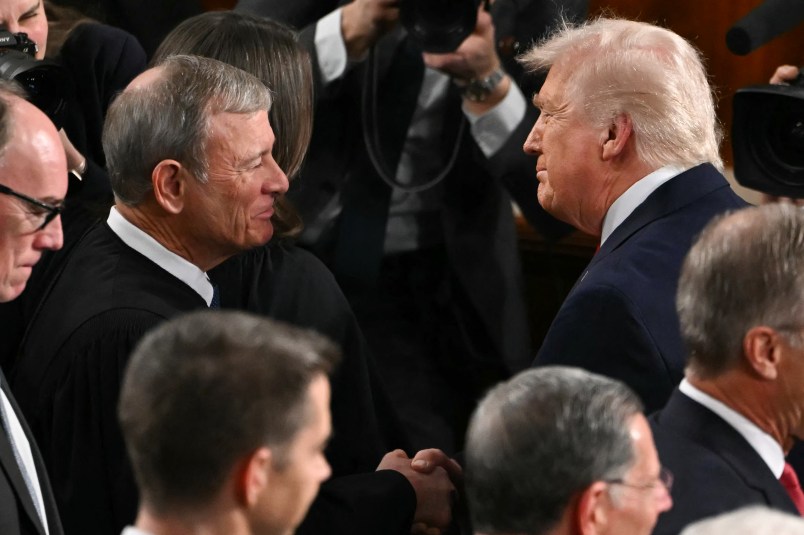
The Supreme Court will hear arguments on a Trump-era executive order aiming to restrict birthright citizenship by limiting it to children born to U.S. citizens or lawful permanent residents, challenging the traditional interpretation of the 14th Amendment’s Citizenship Clause. The administration argues that the clause’s phrase “subject to the jurisdiction thereof” excludes children of temporary visitors or undocumented immigrants, citing historical cases, while opponents maintain that longstanding legal precedent and the amendment’s language guarantee citizenship to nearly all born on U.S. soil. The Court’s decision could have significant implications for constitutional law and immigration policy, with former President Trump expected to attend the proceedings.
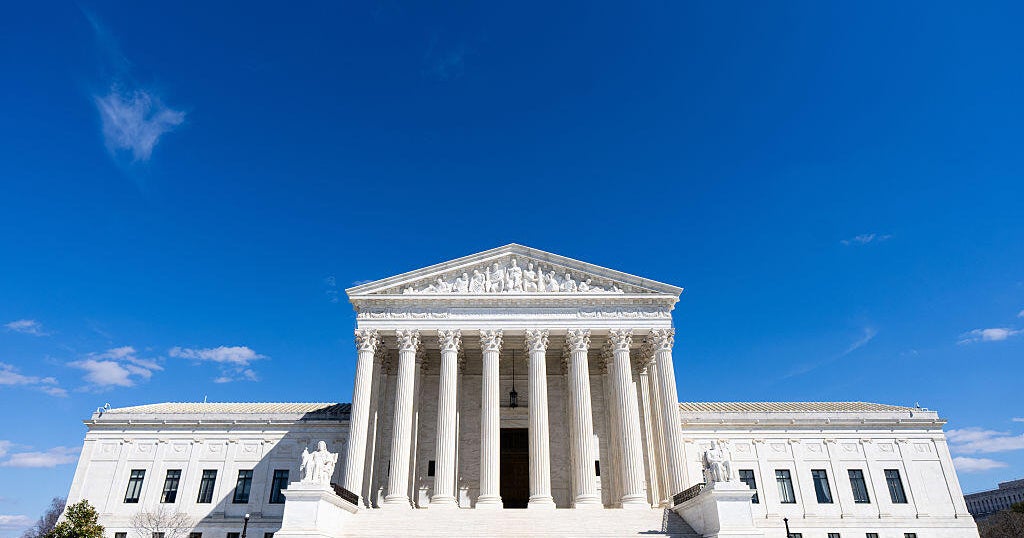
The U.S. Supreme Court ruled 8-1 that Colorado's ban on conversion therapy for minors violates the First Amendment by regulating speech based on viewpoint rather than professional conduct. The decision, authored by Justice Gorsuch, emphasized that the law censors speech and sent the case back to lower courts for further review under stricter constitutional scrutiny. Justice Ketanji Brown Jackson dissented, warning the ruling could hinder states' ability to regulate medical professionals and protect patients, highlighting the ongoing conflict between free speech rights and LGBTQ protections.
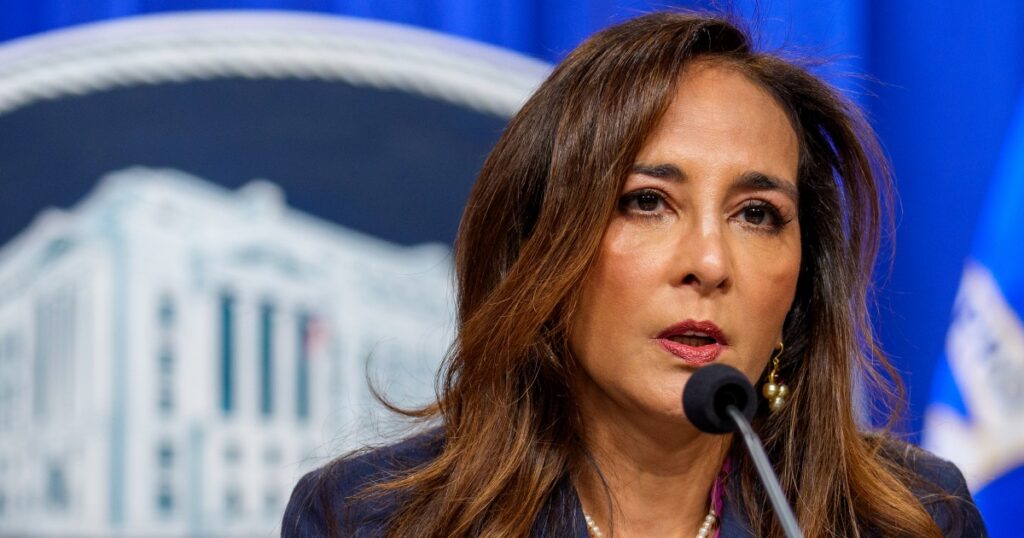
The U.S. Department of Justice has launched a civil rights investigation into Ohio State University College of Medicine’s admissions policies, requesting detailed applicant data amid heightened scrutiny of diversity, equity, and inclusion (DEI) initiatives following the Supreme Court’s 2023 ruling against affirmative action. Led by Harmeet Dhillon, a conservative activist heading the DOJ’s Civil Rights Division, the inquiry reflects a broader crackdown on DEI policies at several universities. Separately, the DOJ and Department of Homeland Security are finalizing a controversial agreement to share sensitive voter registration data for immigration and criminal investigations, raising privacy and legal concerns.
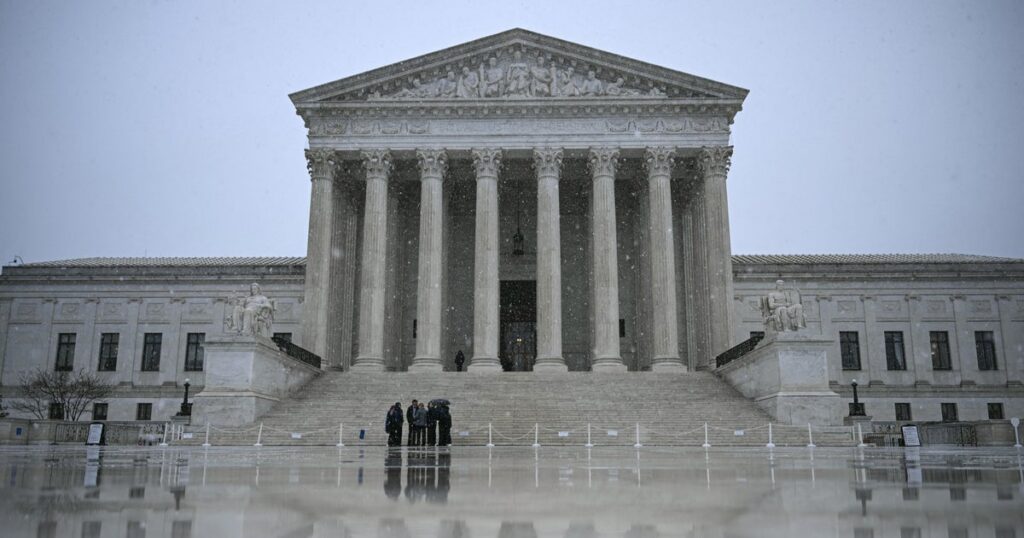
The U.S. Supreme Court is considering whether states can count mail-in ballots postmarked by Election Day but received afterward, focusing on Mississippi’s law allowing a five-day grace period. The Republican National Committee and others argue that federal law requires ballots to be received by Election Day, while Mississippi officials defend their law under the Constitution’s Elections Clause and warn that invalidating it could affect millions of voters, including military personnel. The ruling, expected before the November midterms, will address the tension between federal election uniformity and states’ authority over mail-in ballot deadlines.
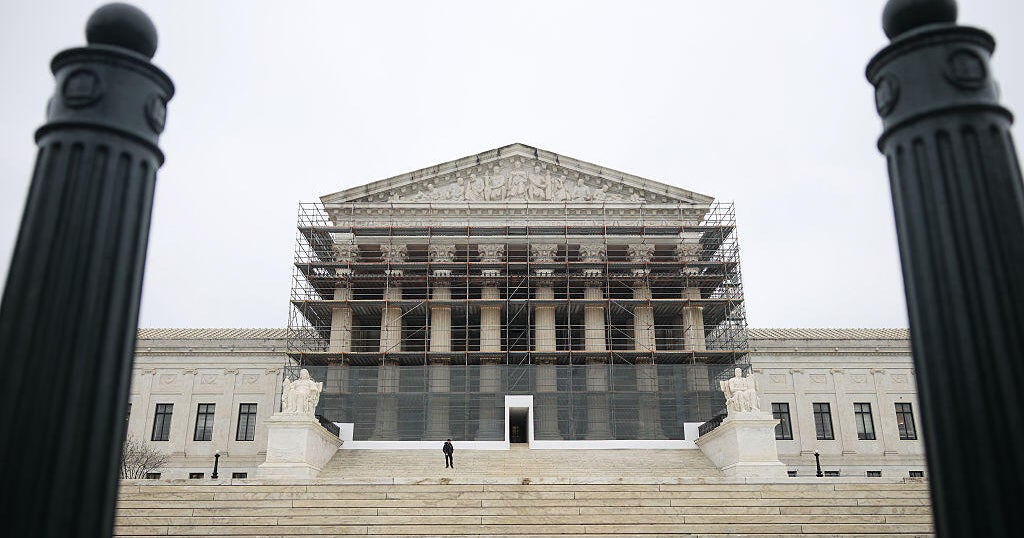
A large motorcade of law enforcement vehicles departed an ICE facility in North Texas amid reports that some individuals were being deported to El Salvador, coinciding with developments involving Venezuelan migrants. ICE buses carrying at least 28 Venezuelan detainees were seen traveling toward an airport but turned back following a U.S. Supreme Court ruling that temporarily halted their deportations under the Alien Enemies Act. The court emphasized detainees must be allowed to present their cases and contest removals, highlighting ongoing legal challenges and the importance of due process in immigration enforcement.
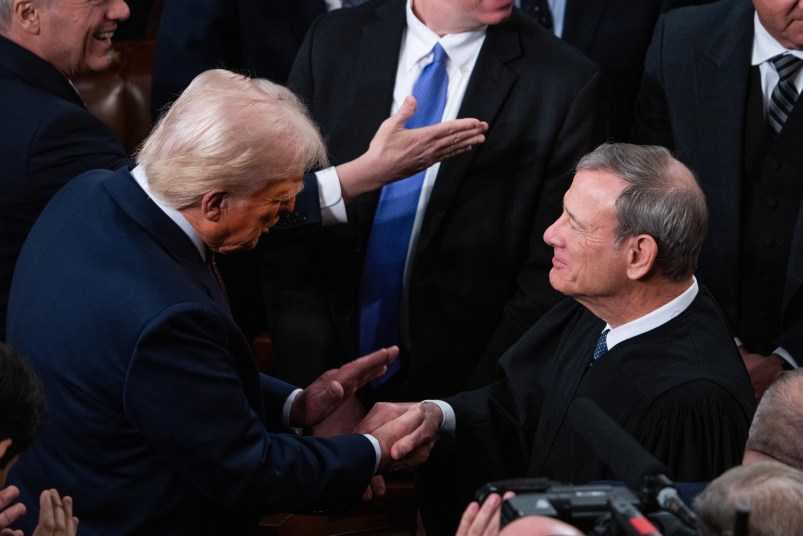
The Supreme Court issued an emergency order temporarily halting the Trump administration’s deportation of Venezuelan detainees under the Alien Enemies Act, requiring that those facing removal be given a chance to challenge their deportation in court. This action came after the American Civil Liberties Union filed an appeal arguing that the government was preparing to resume deportations without proper legal procedures. The decision underscores ongoing legal disputes over the use of a centuries-old wartime statute and the administration’s immigration policies, maintaining the detainees’ presence in the U.S. while their cases are reviewed.