Key takeaways:
- Congo’s Ministry of Health reported 1,003 confirmed Ebola cases and 254 deaths since the outbreak was declared on May 15.
- Contact tracing has reached only about 55% of people who may have been exposed, and officials have not identified the first patient.
- The U.N. refugee agency said at least 2 million displaced people, including more than 320,000 refugees, live in areas at risk of Ebola in Congo.
Confirmed Ebola cases in eastern Congo have surpassed 1,000, with more than a quarter of patients dead, as health officials struggle to track infections in a region gripped by violence and mass displacement.
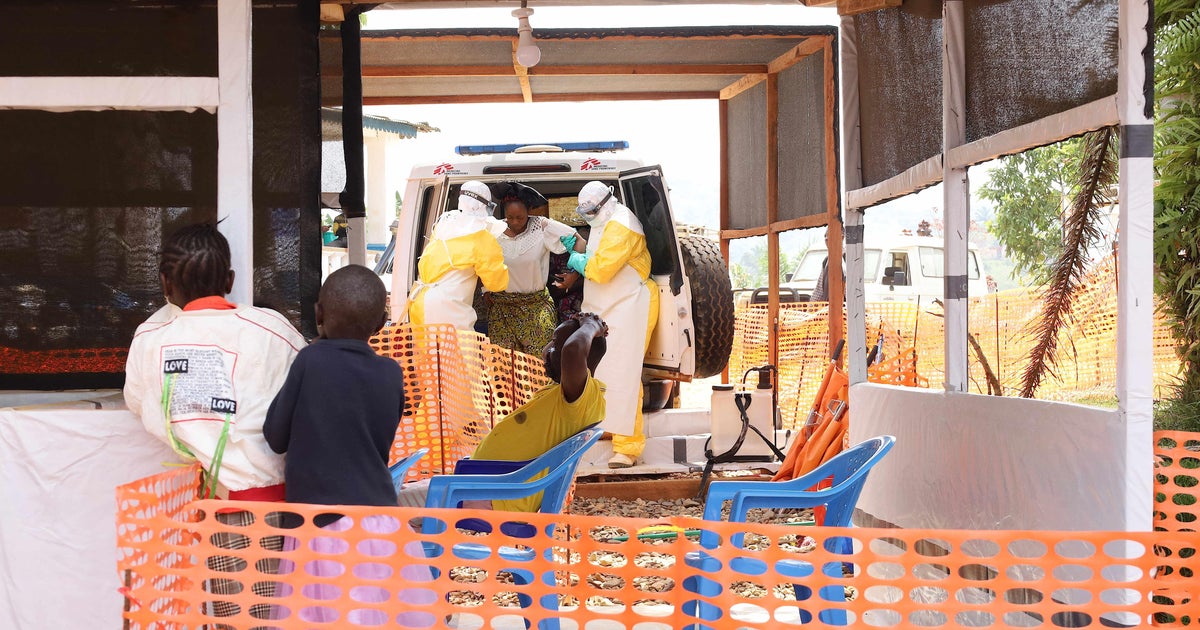
Congo’s Ministry of Health said Sunday that 1,003 people have been infected and 254 have died since the outbreak was declared May 15. The outbreak is centered in Ituri province in the country’s northeast. A total of 100 people have recovered, while at least 365 patients are in hospitals or in isolation, the ministry said.
The outbreak is caused by the rare Bundibugyo strain of Ebola, for which there is no approved vaccine or specific treatment. Officials have said it was the country’s worst Ebola outbreak on record in its first month. They also acknowledge that many infections may be going undetected and that the peak of the epidemic may still be ahead.
Contact tracing remains one of the largest gaps in the response. The Ministry of Health said authorities have reached only about 55% of those who may have been exposed. Officials have not identified the first patient, and as of last week they were still trying to trace more than 35,000 people who had come into contact with infected individuals.
“If you want to control an outbreak, especially an Ebola outbreak, you must know the index case. We don’t have confidence in when this outbreak started,” Dr. Jean Kaseya, director general of the Africa Centres for Disease Control and Prevention, told The Associated Press last week.
The response is being complicated by insecurity in eastern Congo. In Ituri, attacks by the Allied Democratic Forces, a rebel group linked to the Islamic State group, have cut off access to many villages and forced people from their homes. Some have moved into overcrowded displacement camps, while others remain on the move, making it harder for health teams to find contacts, monitor symptoms and isolate suspected cases.
At the Kigonze displacement camp near Bunia, the capital of Ituri province, camp officials said Friday that 10 people had died the previous week in unusual circumstances. No Ebola cases have been confirmed at the site, but officials said the number of deaths was unprecedented and called for an investigation. More than 20,000 displaced people are sheltering there.
The risks are particularly high for uprooted communities. The U.N. refugee agency said at least 2 million people forcibly displaced from their homes, including more than 320,000 refugees, live in areas at risk of Ebola in Congo. In a statement Friday, the agency said it was “deeply concerned by the accelerating spread” of the virus and “the growing risks it poses to displaced communities across the region.”
“If a disease or epidemic were to spread among the thousands of people living at this site, it would be a real catastrophe, given our already very precarious living conditions,” said Charité Banza, a civil society leader in Ituri.
More than a month after the outbreak was declared, officials say the virus continues to outpace the response. With contact tracing incomplete, violence limiting access and displaced families living in crowded conditions, authorities still do not know the outbreak’s true scale.






Be First to Comment