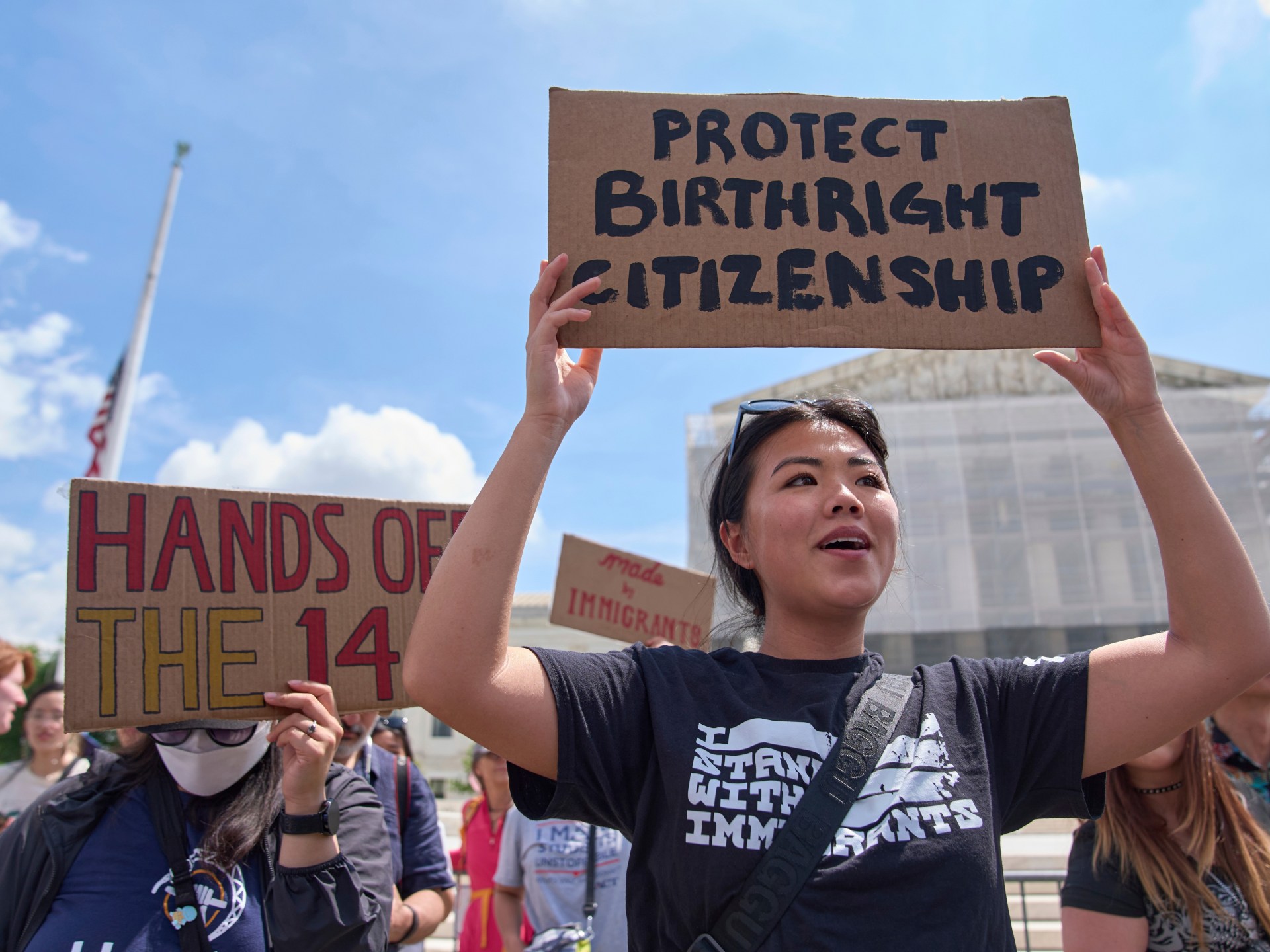
Key takeaways:
- Trump signed two executive orders Thursday aimed at limiting birthright citizenship after the Supreme Court ruled his first order was unlawful.
- One order targets birth tourism, while the other expands categories of children the White House says should be ineligible for birthright citizenship.
- The Supreme Court ruled 6-3 against Trump’s earlier order, citing the 14th Amendment’s Citizenship Clause.
President Donald Trump signed two new executive orders Thursday aimed at limiting birthright citizenship, reviving a major piece of his immigration agenda after the Supreme Court rejected his earlier attempt to narrow the constitutional guarantee.
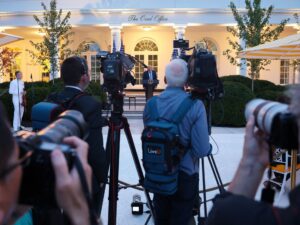
Speaking in the Oval Office, Trump called the court’s ruling a “very unfortunate decision” and said his administration was changing course in response. “We had a very unfortunate decision in the Supreme Court concerning birthright, it was close,” Trump said. “But a very, very unfortunate decision. So we’re making adjustments.”
The White House has not yet released the text of the orders, CBS News reported. Officials described one order as targeting commercial “birth tourism,” the practice of people traveling to the United States for the purpose of giving birth so their children receive U.S. citizenship. The second order expands the categories of children the administration considers ineligible for birthright citizenship, including children of foreign citizens who lobby on behalf of foreign governments, according to White House deputy chief of staff Stephen Miller.
Al Jazeera reported that one order seeks to expand a narrow exception that currently bars U.S. citizenship from being conferred on the babies of foreign diplomats or invading forces. The other directs the secretary of state and secretary of homeland security to stop so-called birth tourism.
“This has been something that people have talked about, not only for years, but for decades,” Miller said of birth tourism. He said some people come to the U.S. “pretending to be a tourist” while intending to have a child who becomes “an automatic citizen.” Miller said that status gives access “under this broken system, to welfare benefits, ultimately to the voting booth, and all the other rights and privileges that belong solely to Americans.”
Trump said Thursday that birthright citizenship had been misapplied. “This was done right after the Civil War,” he said. “This was for the babies of slaves.” His administration made a similar argument in defending the executive order he signed on Jan. 20, 2025, the first day of his second term. That order argued that children born to immigrants on temporary visas or without documentation were not “subject to the jurisdiction” of the United States and therefore should not automatically receive citizenship.
The 14th Amendment, ratified in 1868, says “all persons born or naturalized in the United States, and subject to the jurisdiction thereof, are citizens of the United States and of the state wherein they reside.” The Supreme Court ruled 6-3 that Trump’s first order was unlawful and inconsistent with the amendment’s Citizenship Clause.
In the majority opinion, Chief Justice John Roberts rejected the administration’s argument that the amendment applied only to children of newly freed slaves. Al Jazeera quoted Roberts as writing that there was “scant evidence for this dramatically revisionist view.” He added, “The Framers of the Fourteenth Amendment extended that promise to ‘every free-born person in this land.’ We keep that promise today.”
Birth tourism also came up during Supreme Court oral arguments. When Solicitor General John Sauer cited it as evidence of problems with the prevailing interpretation of the Citizenship Clause, Roberts responded: “Well, it’s a new world. It’s the same Constitution.”
Trump said he believes the new orders will survive constitutional scrutiny. “I think it will,” he said when asked whether they would pass legal muster. Al Jazeera reported that the orders are expected to face legal challenges.
The Guardian reported that Trump told reporters birth tourism is practiced by hundreds of thousands of people. According to the Migration Policy Institute, the highest census-based estimate puts the number at 22,000 to 26,000 babies born annually on U.S. soil, while government data show 9,600 births to mothers with foreign addresses in 2024.



Be First to Comment