Key takeaways:
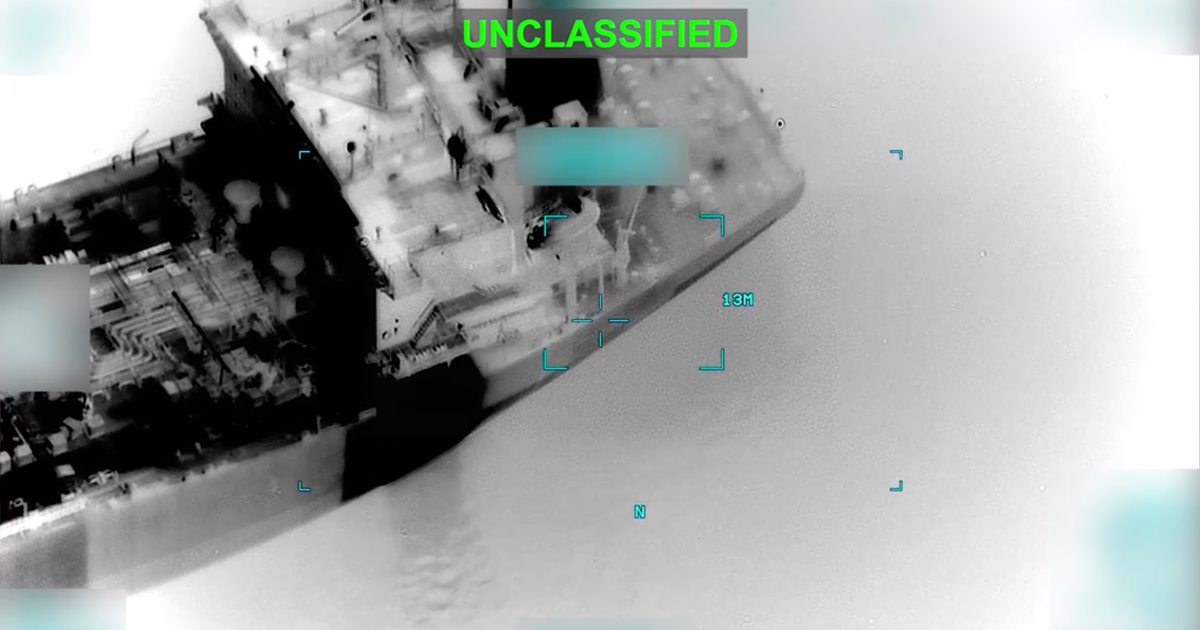
- Three Indian seafarers aboard the Palau-flagged M/T Settebello were confirmed dead after a U.S. strike in the Gulf of Oman.
- India summoned a senior U.S. diplomat and said attacks on commercial shipping and civilian infrastructure in the region must end.
- CENTCOM said at least nine ships have been disabled since the U.S. blockade on Iran began April 13.
India summoned a senior U.S. diplomat and lodged a “strong protest” after three Indian sailors were killed in a U.S. strike on a commercial oil tanker in the Gulf of Oman, escalating New Delhi’s concerns over a series of American attacks on vessels linked to Iran.
India’s shipping minister, Sarbananda Sonowal, said Thursday that three Indian seafarers initially reported missing aboard the Palau-flagged M/T Settebello had been confirmed dead after their bodies were located and identified.
“It is deeply unfortunate to learn of the tragic incident aboard the Palau-flagged MT Settebello,” Sonowal said. “This is a profound loss to our maritime family.”
He said he had directed officials to ensure the immediate repatriation of rescued crew members and the swift return of the sailors’ remains for final rites. The dead were identified as Aditya Sharma, Shivanand Chaurasiya and Patnala Suresh. Al Jazeera, citing The Hindu’s report based on Manoj Yadav, general secretary of the Forward Seamen’s Union of India, said Sharma was a deck cadet, Chaurasiya an engine fitter and Suresh the chief engineer.
U.S. Central Command said the Settebello was targeted after it violated the ongoing U.S. naval blockade of Iran’s ports and associated vessels. CENTCOM said American forces fired on the ship’s engine room after the crew “repeatedly failed to comply with directions from American forces.” The tanker had 24 Indian sailors aboard, according to Al Jazeera.
India’s External Affairs Ministry condemned attacks on ships Wednesday, saying “the continuing incidents of attacks on shipping in the region are deeply worrisome.” The ministry said “the targeting of commercial shipping and civilian infrastructure in the region must end.”
External Affairs Ministry spokesperson Randhir Jaiswal said Thursday that India had summoned a senior U.S. diplomat to register a “strong protest,” adding that the government expected the United States to “take due note.”
Families of the sailors called for answers. “We want to know the full truth of what happened,” Sharma’s grandfather told the Press Trust of India. “Our hearts are shattered.” India’s ANI news agency aired video of Chaurasiya’s father, Rami, breaking down as he described learning of his son’s death. The Indian Express reported that Sharma had told his father the ship received two warnings from the U.S. Navy in the two weeks before the strike.
The Settebello was one of at least three tankers struck or disabled by U.S. forces in the Gulf of Oman this week. On Thursday, CENTCOM said it had disabled the Guinea-Bissau-flagged M/T Jalveer for “attempting to transport Iranian oil.” The command said a U.S. aircraft fired two Hellfire missiles into the vessel’s engine room “after the crew repeatedly failed to comply with directions from US forces.”
An Indian shipping ministry official told Al Jazeera that all 20 Indians aboard the Jalveer were safe and being evacuated. Vanguard, a British maritime risk management company, said the vessel sent a distress call off the Omani port of Shinas after a fire broke out around its engine room and funnel. Images posted on social media by the Forward Seamen’s Union of India showed crew members being winched from the vessel by helicopter as thick black smoke rose from its bridge and accommodation cabins. The Indian embassy in Oman said it was coordinating with local authorities.
CENTCOM also said Monday that it disabled the Palau-flagged M/T Marivex, which is sanctioned by the United States, because it was “attempting to sail to an Iranian port.” Al Jazeera reported that Omani authorities airlifted 24 Indian sailors off the Marivex on June 8 after the U.S. attack.
At least nine ships have been disabled for not complying with U.S. forces since the blockade on Iran began April 13, according to CENTCOM. President Donald Trump defended the blockade Wednesday, writing on Truth Social that it was “the most successful Blockade in the history of Naval Warfare” and declaring, “NOTHING GETS THROUGH unless we want it to.”





Be First to Comment