Key takeaways:
- Nigeria’s army said 360 captives were freed from a Boko Haram hideout in the Mandara mountains of Borno State.
- A local group disputed the military’s account, saying it mediated an unconditional release and that 416 people were freed.
- Authorities said two infants died from exhaustion linked to prolonged captivity and difficult mountainous terrain.
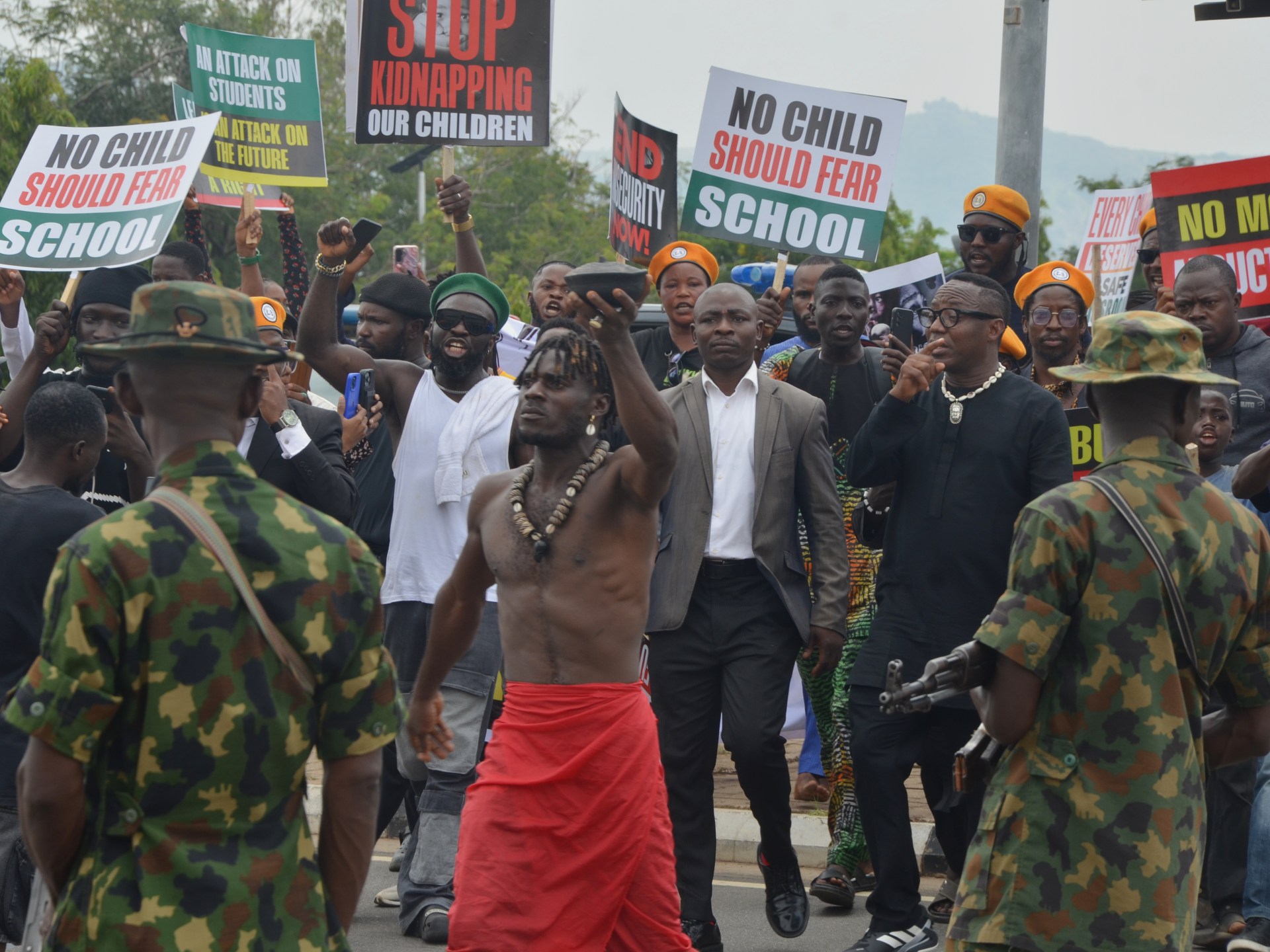
Hundreds of people abducted by Boko Haram from northeastern Nigeria have been freed from a remote mountain hideout, Nigerian authorities said, though local mediators disputed the army’s account of how the captives were released.
The Nigerian military said it secured the release of 360 people in an intelligence-led operation in the Mandara mountains in southern Borno State, where Boko Haram fighters had held them under harsh conditions after abducting them in March. The captives were from around Ngoshe, a mainly Muslim community near the Cameroon border.
Military spokesperson Lt. Col. Haruna M. Sani described the raid, carried out “under cover of darkness,” as one of the military’s “most significant hostage rescue operations” in northeastern Nigeria. He said troops had spent weeks planning the operation and used intelligence and “psychological operations” to sow “mistrust within the insurgent ranks” before the assault.
“Faced with the speed, precision, and overwhelming combat power of the advancing troops, several insurgents abandoned their positions and fled into surrounding mountainous terrain, while others surrendered,” Sani said.
The army said two infants died after captivity. Daniel Bwala, a special adviser to President Bola Tinubu, wrote on X: “Sadly, two infants died due to exhaustion from prolonged captivity and harsh terrain.” Sani said the children had succumbed to exhaustion caused by the difficult terrain and conditions they endured. Authorities said the remaining freed captives were evacuated to safe locations for medical care and humanitarian support.
A local group offered a different account. The Borno South Youth Initiative said it mediated an unconditional release and put the number freed at 416. Samaila Kaigama, president of the Borno South Youth Alliance, told journalists his group had advocated for the captives’ release and had been in contact with the militants. In a Facebook video, he accused “government boys” of “claiming glory for our efforts.”
A local youth leader and a Borno senator also confirmed the release to AFP, Al Jazeera reported, but said more than 400 people were freed. Al Jazeera reported that Boko Haram had demanded millions of Nigerian naira in ransom for the captives.
The abduction took place in early March, when Boko Haram fighters reportedly attacked the area as people were breaking their Ramadan fast. Videos and photos released by the military showed freed captives sitting under trees overnight. Several news outlets also carried video of a local government official telling the group that authorities were working to secure the area so they could return to their farms. He said some of those captured were believed to have escaped into Cameroon and efforts were under way to bring them back safely.
Mass abductions by armed groups for ransom have become common in Nigeria in recent years, targeting schools, churches, mosques and remote villages. Paying ransom is illegal, but the BBC reported that ransom payments by desperate families, intermediaries and, in some cases, state authorities have helped fuel kidnappings. Lagos-based consultancy SBM Intelligence said Boko Haram raised about $1.66 million in ransom payments between July 2024 and June 2025, according to Al Jazeera.
Boko Haram began its armed campaign to impose Islamic rule in northern Nigeria in 2009. It no longer controls the large areas it once held, but it and splinter groups remain active. The insurgency and violence by other armed groups have killed tens of thousands of people and displaced at least two million, Al Jazeera reported.
Nigeria has increased military operations against Boko Haram and Islamic State West Africa Province. Last month, Nigeria and the United States said a joint operation killed a senior Islamic State leader, Abu-Bilal al-Minuki, described as the group’s second-in-command, along with ISWAP fighters.





Be First to Comment