Key takeaways:
- A divided federal appeals court ruled 2-1 that the Trump administration's transgender military ban is likely unconstitutional.
- The court upheld a preliminary injunction preventing the removal of active-duty transgender service members but allowed the military to enforce restrictions on transgender enlistments.
- Judge Robert Wilkins wrote that the policy was motivated by animus and lacked a legitimate state interest, while Judge Justin Walker dissented, emphasizing that military composition decisions primarily belong to the executive and legislative branches.
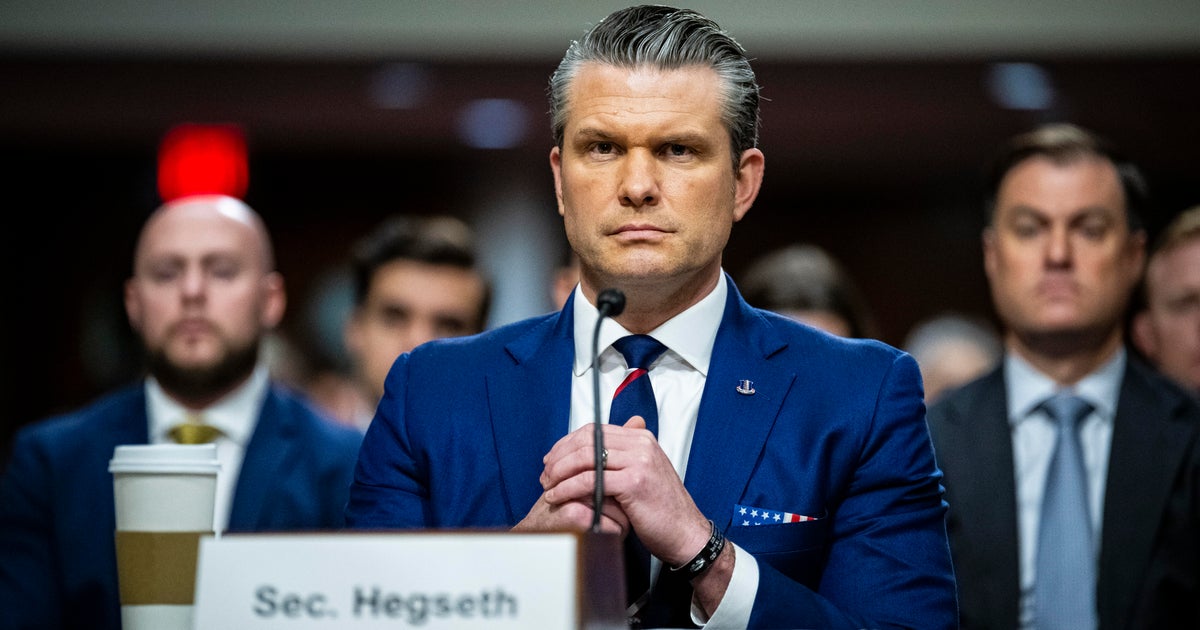
A divided federal appeals court ruled Monday that the Trump administration’s policy banning transgender individuals from serving in the military is likely unconstitutional, delivering a significant legal setback for the policy’s enforcement. The U.S. Court of Appeals for the D.C. Circuit panel split 2-1 in finding that the ban, implemented under Defense Secretary Pete Hegseth following a presidential directive, was motivated by animus toward transgender people and violated the Constitution’s guarantee of equal protection.
Judges Judith Rogers and Robert Wilkins formed the majority, agreeing that the policy unlawfully discriminated against transgender service members. They upheld a preliminary injunction issued by U.S. District Judge Ana Reyes in 2025, which blocked the Defense Department from removing transgender troops currently serving. This injunction applies narrowly to the active-duty plaintiffs in the case, who have collectively served 130 years and earned more than 80 commendations. Wilkins wrote that the policy “does not classify whether persons are eligible to serve in the military in a reasonable and evenhanded manner,” disqualifying anyone diagnosed with gender dysphoria regardless of current status.
Wilkins further stated, “The government’s stated reason for issuing the policy as based solely upon gender dysphoria was pretextual, and that instead, the policy was premised, at least in part, on a non-legitimate state interest to harm the politically unpopular group of transgender persons.” He noted that President Trump “declared transgender people as categorically unfit for military service explicitly because of their gender identity.” The judge added that the administration “conceded” there was “no evidence to establish that persons with gender dysphoria are not honest, humble, and full of integrity.”
The policy originated from an executive order signed by President Trump in January 2025, which stated that transgender service members’ sexual identity “conflicts with a soldier’s commitment to an honorable, truthful, and disciplined lifestyle, even in one’s personal life,” and argued it harmed military readiness. Following this, Defense Secretary Pete Hegseth implemented the policy by directing the Pentagon to pause new accessions of individuals with a history of gender dysphoria and to halt medical procedures for transgender troops. The Defense Department issued a policy in early 2025 disqualifying people with gender dysphoria from military service unless they obtained a waiver.
The appeals court ruling allows transgender troops currently serving to remain in the military but permits the Defense Department to enforce restrictions on transgender individuals seeking to join. The court narrowed the injunction’s scope to active-duty members, not covering prospective recruits. Wilkins criticized the administration for failing to provide factual support for its disparaging characterizations of transgender Americans, stating the policy “appears to be driven by the bare desire to harm a politically unpopular group.”
Judge Justin Walker, who dissented, was appointed by Trump and argued that decisions about military composition fall primarily to the executive and legislative branches, not the judiciary. He wrote, “The supreme court has never assumed that role for itself. Neither has the DC Circuit. Not until today.”
The ruling was held from going into immediate effect to allow the administration time to ask the full appeals court to hear the case. The case is ultimately likely to reach the U.S. Supreme Court. There was no immediate reaction from the White House or the Defense Department. As of December 2024, approximately 4,200 troops had been diagnosed with gender dysphoria, with about 1,900 receiving gender-affirming care between 2016 and 2021, according to defense and Congressional Research Service reports.









Be First to Comment