Key takeaways:
- U.S. District Judge Christopher Cooper ruled that the Kennedy Center's board unlawfully renamed the institution after President Trump without congressional approval.
- The judge issued a preliminary injunction blocking the center's planned two-year closure for renovations, citing an ill-informed decision by the board.
- President Trump criticized the ruling and indicated he will work with Congress to transfer responsibility for the Kennedy Center's operation and management.
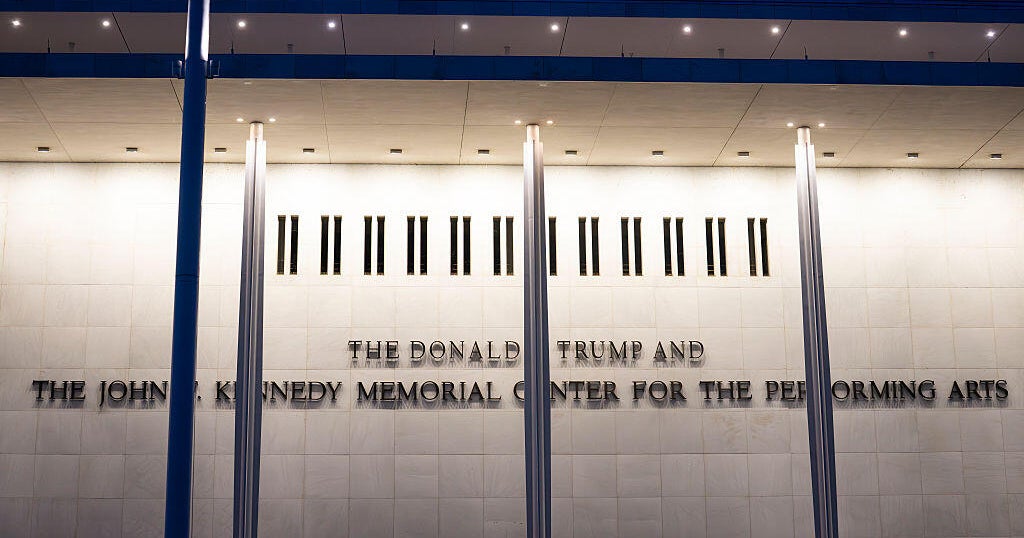
A federal judge has blocked the Kennedy Center from closing for renovations and ordered the removal of President Donald Trump’s name from the building and official materials. U.S. District Judge Christopher Cooper ruled that the center’s board acted unlawfully by renaming the institution without congressional approval. “The Kennedy Center’s organic statute makes crystal clear that the Center is to be named for President Kennedy, and it cannot bear any other formal name or public memorial based on the Board’s unilateral say-so,” Cooper wrote in his 94-page opinion issued on President Kennedy’s birthday.
The ruling came in response to a lawsuit filed by Democratic Rep. Joyce Beatty of Ohio, an ex officio member of the Kennedy Center’s Board of Trustees, who challenged both the name change and the planned two-year closure for repairs starting this summer. Cooper found that the board overstepped its authority by adding Trump’s name and by voting to close the center without fully considering its statutory obligations or the potential negative impact on programming and memorial functions. He described the closure decision as “ill-informed and seemingly preordained.”
The judge ordered the administration to remove Trump’s name from the building’s facade, signage, website, and official materials within 14 days. He emphasized that only Congress has the authority to rename the center, stating, “Congress gave the Kennedy Center its name, and only Congress can change it.”
Trump responded on Truth Social, criticizing the judge and suggesting he would cede control of the institution to Congress. “Unless I am free to do what I do better than anyone else, bring this Institution back, physically, financially, and artistically, I have no interest in continuing what could only be a hopeless journey into ‘NEVER NEVER LAND,'” he wrote. He also directed the Commerce Department to coordinate with Congress to transfer responsibility for the center’s operation, maintenance, and management.
The Kennedy Center’s spokeswoman, Roma Daravi, expressed confidence that the board’s decision to recognize Trump’s contributions would be upheld on appeal. She noted that $257 million in funding secured by Trump and approved by Congress is in place for the needed repairs. The Justice Department also stated it would continue to defend Trump’s ability to restore the center.
Rep. Beatty praised the ruling, saying, “The Kennedy Center is an institution that belongs to the American people, not to Donald Trump. He has desecrated this sacred memorial for his own vanity.” Her attorneys called the decision a “powerful blow against the Trump administration’s corruption.”
The controversy began after Trump, who named himself chair of the Kennedy Center board last year, replaced several board members with allies and installed Ric Grenell as president before he stepped down earlier this year. In December, the board voted to rename the institution “The Donald J. Trump and The John F. Kennedy Memorial Center for the Performing Arts,” a move that sparked backlash from lawmakers, legal experts, and the performing arts community. Several artists canceled performances, and the National Symphony Orchestra’s executive director left.
Judge Cooper’s injunction does not prevent the center from proceeding with necessary repairs but requires the board to reconsider any closure plans with full consideration of its obligations. He wrote, “The Court does not purport to dictate how the Center should be run… It simply holds the Kennedy Center Board to certain minimum requirements imposed by law. Beyond that, the Court will let the parties play on.”







Be First to Comment