Key takeaways:
- A 10-day ceasefire between Israel and Lebanon took effect on Thursday at 5 p.m., aiming to pause fighting between Israel and Hezbollah.
- Israel will maintain troops in southern Lebanon during the ceasefire and respond only to imminent threats from Hezbollah, rejecting demands for full withdrawal.
- The ceasefire deal includes U.S.-facilitated negotiations for a lasting peace, but Hezbollah has not participated and its response remains uncertain.
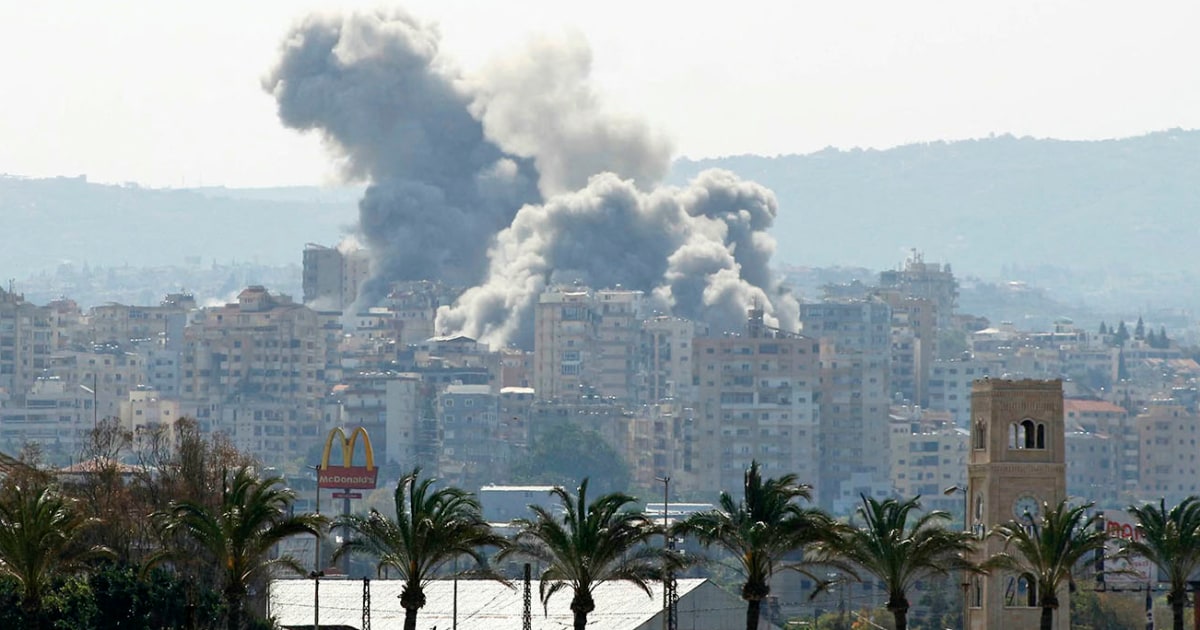
A 10-day ceasefire between Israel and Lebanon took effect at 5 p.m. Thursday, marking a temporary pause in the fighting between Israel and the Iran-backed militant group Hezbollah. The agreement, announced by President Donald Trump, followed direct negotiations between Lebanese and Israeli ambassadors in Washington — the first such talks in decades. Trump hailed the ceasefire as a potential step toward lasting peace, stating on Truth Social that Lebanese President Joseph Aoun and Israeli Prime Minister Benjamin Netanyahu had agreed to formally begin the truce and that he had invited both leaders to peace talks at the White House.
Israeli Prime Minister Netanyahu confirmed the ceasefire but emphasized that Israel would maintain its troops in southern Lebanon, rejecting Hezbollah’s demands for a full Israeli withdrawal. “We are remaining in Lebanon in an expanded security zone,” Netanyahu said, citing the need to prevent further attacks and the danger of invasion. He also insisted that Hezbollah must be disarmed for a sustainable peace agreement. An Israeli official told CBS News that Israel would only respond militarily to “imminent threats from Hezbollah” during the ceasefire.
The Lebanese army reported several violations of the ceasefire, including Israeli attacks and intermittent shelling targeting villages. French President Emmanuel Macron expressed concern that ongoing military operations might undermine the truce. Meanwhile, Lebanese Prime Minister Nawaf Salam welcomed the ceasefire, calling it a key objective in recent talks.
The ceasefire deal commits both countries to “engaging in good-faith direct negotiations, facilitated by the United States, with the objective of achieving a comprehensive agreement that ensures lasting security, stability, and peace,” according to a U.S. State Department statement. The initial 10-day period may be extended if progress is demonstrated and Lebanon effectively asserts sovereignty. Lebanon must also take “meaningful steps” to prevent Hezbollah attacks, while Israel retains the right to self-defense against imminent threats.
Hezbollah, a powerful political party and militant group in Lebanon, has not participated in the talks. A senior Hezbollah official told NBC News that the group would consider the ceasefire only if Israel fully commits to a complete cessation of hostilities.
The conflict escalated last month after Hezbollah fired rockets at Israel in response to U.S. and Israeli strikes targeting Iran. Israel retaliated with widespread strikes across Lebanon and deployed troops into southern Lebanon, establishing a security zone. The fighting has displaced over one million Lebanese residents and killed more than 2,100 people in Lebanon, according to Lebanese authorities. In Israel, 21 people have died, some from strikes by Iran and Hezbollah.
The ceasefire comes amid broader regional tensions, including a U.S.-led blockade of Iranian ports involving over 10,000 troops, 12 ships, and 100 aircraft. The Strait of Hormuz remains effectively closed to most commercial shipping, contributing to high global oil and gas prices. U.S. intelligence has detected signs that China is considering providing Iran with advanced radar systems, while Russia reportedly shares intelligence with Tehran on American military positions.
President Trump expressed optimism about the ceasefire and the broader conflict, saying the war “is going along swimmingly” and “should be ending pretty soon.” He also urged Hezbollah to “act nicely and well during this important period,” calling for an end to killing and a move toward peace. However, Netanyahu noted that Hezbollah’s demands for Israeli withdrawal and a silence-for-silence ceasefire were unacceptable.
The Israeli military warned Lebanese civilians not to travel south of the Litani River during the ceasefire, citing ongoing security concerns. Displaced families began cautiously moving toward southern Lebanon and Beirut’s southern suburbs despite official warnings to wait until the ceasefire’s durability is confirmed.
Diplomatic efforts continue, with Pakistani officials visiting Iran and Gulf states to facilitate new U.S.-Iran talks. Trump indicated that the next round of negotiations could occur soon, though details remain unconfirmed. Meanwhile, Gulf states like the United Arab Emirates view Iran as the “main enemy,” citing missile and drone attacks, and express concerns over Iran’s nuclear program and ballistic missile capabilities.
The ceasefire represents a fragile step toward reducing hostilities in a complex and volatile region, with many uncertainties about Hezbollah’s response and the potential for broader peace talks.




Be First to Comment