Key takeaways:
- U.S. District Judge Richard Leon blocks above-ground construction of the White House ballroom but permits underground bunker work.
- The Trump administration argues the entire ballroom project is necessary for national security; the judge disagrees.
- The National Trust for Historic Preservation sued to stop the project, citing lack of Congressional approval and preservation concerns.
A federal judge on Thursday ordered a halt to above-ground construction of President Donald Trump’s planned White House ballroom, while allowing underground work on a presidential bunker to continue. U.S. District Judge Richard Leon clarified his previous injunction, emphasizing that only construction strictly necessary to protect underground national security facilities may proceed above ground.
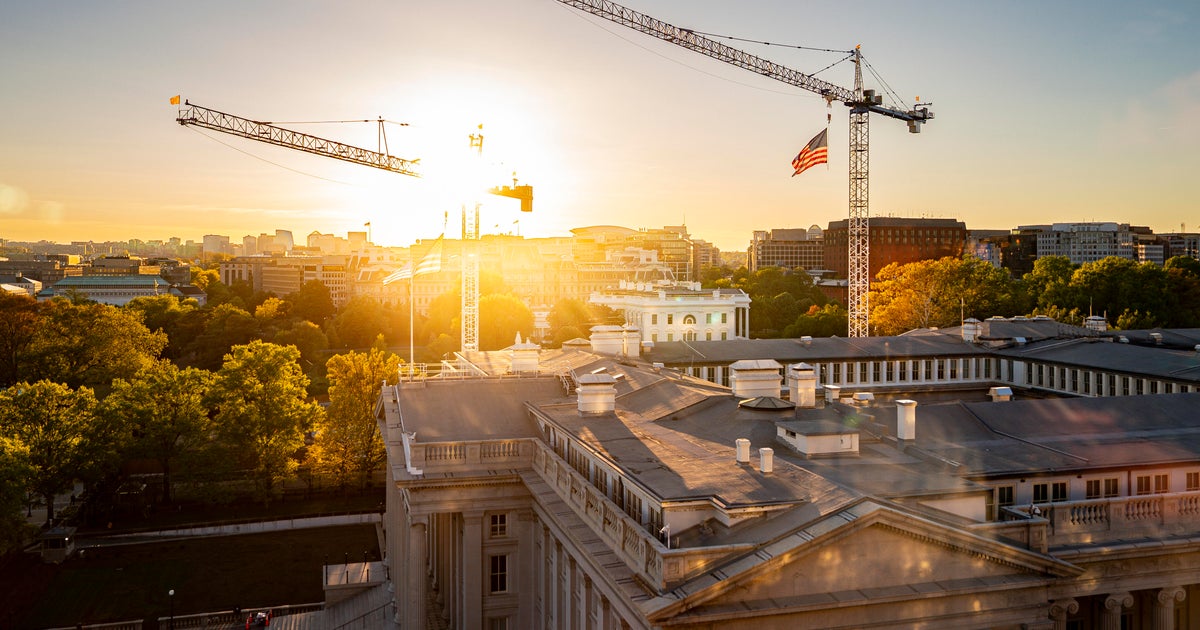
The dispute centers on a $400 million project to replace the White House’s East Wing with a 90,000-square-foot ballroom. The Trump administration argued that the entire project was essential for national security, citing protection against threats such as drones, ballistic missiles, and biohazards. However, Judge Leon rejected this interpretation, stating, “It is, to say the least, incredible, if not disingenuous, that Defendants now argue that my Order does not stop ballroom construction because of the safety-and-security exception!” He added, “I cannot possibly agree.”
Leon’s order permits waterproofing, water management, structural reinforcement, and sealing exposed construction areas above ground, provided these actions do not “lock in the above-ground size and scale of the ballroom.” Underground construction of security facilities may continue without restriction.
The judge’s initial injunction, issued in March, temporarily blocked the ballroom construction until the White House obtained Congressional approval. The National Trust for Historic Preservation filed the lawsuit, arguing that the project exceeded presidential authority and threatened historic preservation.
Following Leon’s ruling, the Justice Department appealed, contending that halting construction would “imperil the President and national security and indefinitely leave a large hole beside the Executive Residence.” They maintained that the ballroom and bunker are integrated components necessary for the president’s safety.
A three-judge panel from the U.S. Court of Appeals for the District of Columbia extended the stay on enforcement of Leon’s order by three days to allow the administration to seek Supreme Court review. The panel also directed Leon to clarify how his injunction affects national security measures during construction.
Leon’s latest order has been stayed for seven days to permit the government to appeal. The White House and Justice Department did not immediately respond to requests for comment.
The National Trust criticized the administration’s argument as a “brazen contortion of the laws of vocabulary,” noting that the government had previously treated the bunker and ballroom as separate projects. “Bunkers, apparently, are only as good as the 90,000-square-foot, 40-foot-ceiling ballrooms on top of them,” the group said.




Be First to Comment