Key takeaways:
- Oil prices surged sharply amid escalating conflict involving the U.S., Israel, and Iran, with Brent crude surpassing $100 per barrel and significant declines in U.S. stock markets due to fears of prolonged supply disruptions, especially around the Strait of Hormuz.
- Governments and corporations are responding with measures such as fuel usage limits in India, production shutdowns by TotalEnergies and SLB, and the U.S. considering a temporary waiver of the Jones Act alongside releasing strategic oil reserves to mitigate supply impacts.
- The conflict has led to extensive military actions, humanitarian casualties, and international efforts to address shipping threats, including U.S. strikes on Iranian targets, Israeli airstrikes in Lebanon, and an upcoming International Maritime Organization session focused on Middle East shipping security.
Oil prices surged sharply on Thursday amid escalating conflict involving the United States, Israel, and Iran, with the International Energy Agency (IEA) describing the situation as “the largest supply disruption in the history of the global oil market.” Brent crude prices climbed above $100 per barrel, while U.S. crude exceeded $95. The surge in oil prices contributed to significant declines in U.S. stock markets, with the S&P 500 falling over 1.1%, the Nasdaq dropping 1.5%, and the Dow Jones Industrial Average losing 500 points by midday trading.
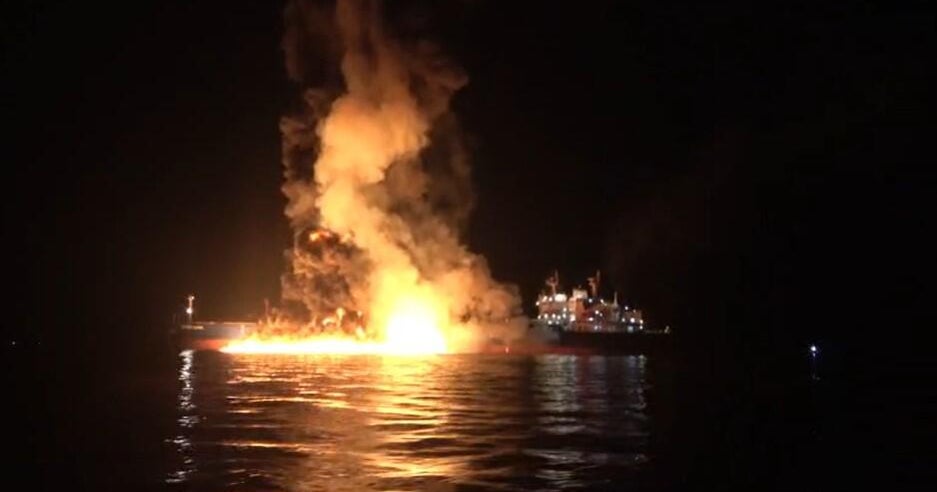
The conflict has intensified fears of a prolonged disruption in oil supplies, particularly due to attacks on shipping in the Strait of Hormuz, a critical chokepoint through which more than 20% of the world’s daily energy supply typically passes. Iran’s new Supreme Leader, Ayatollah Mojtaba Khamenei, issued a statement advocating for the continued leverage of Iran’s control over the Strait of Hormuz and pledged ongoing attacks on Gulf Arab nations. Recent assaults have led to the evacuation of a key oil export terminal in Oman and the suspension of operations at Iraqi oil terminals, while Saudi Arabia, Dubai, and Kuwait have reported multiple strikes and drone sightings.
The disruption has prompted responses from both governments and corporations. India’s energy minister announced measures to limit fuel usage by businesses to prevent hoarding and black marketing amid supply constraints. French oil giant TotalEnergies revealed it was shutting down or in the process of shutting down production in Qatar, Iraq, and the United Arab Emirates offshore fields, representing about 15% of its total output. Similarly, oilfield services company SLB (formerly Schlumberger) announced the suspension of operations in several countries to protect personnel and facilities, a move expected to negatively impact its revenues.
In response to the crisis, the White House is considering several measures to mitigate the impact on U.S. energy supplies. Press Secretary Karoline Leavitt stated that President Joe Biden is contemplating a temporary waiver of the Jones Act, a century-old law requiring goods shipped between U.S. ports to be transported on U.S.-built, flagged, and crewed vessels. This waiver would aim to ensure the free flow of vital energy products and agricultural goods to U.S. ports. Additionally, the U.S. Energy Department plans to release 172 million barrels of oil from strategic reserves as part of a coordinated release of 400 million barrels agreed upon by the 32 member countries of the IEA, although these releases will take up to 120 days to complete.
The ongoing conflict has also resulted in significant military and humanitarian consequences. The U.S. military reported striking approximately 6,000 Iranian targets and damaging over 90 Iranian vessels since the war began. Meanwhile, Israel conducted airstrikes in central Beirut targeting Hezbollah facilities, issuing warnings to civilians prior to the attacks. The Lebanese Ministry of Public Health reported over 630 deaths, including 91 children, due to Israeli military operations in Lebanon. The International Maritime Organization announced plans to hold an extraordinary session in London to address threats to shipping in the Middle East, particularly in the Strait of Hormuz, underscoring global concerns about the potential for a prolonged energy supply crisis.





Be First to Comment