
Thousands of Albanians have protested a Kushner-linked coastal resort plan they say threatens protected wetlands, flamingos and other wildlife. Prime Minister Edi Rama has defended the project as a major investment that would bring jobs and infrastructure.
Posts tagged as “Dubai”
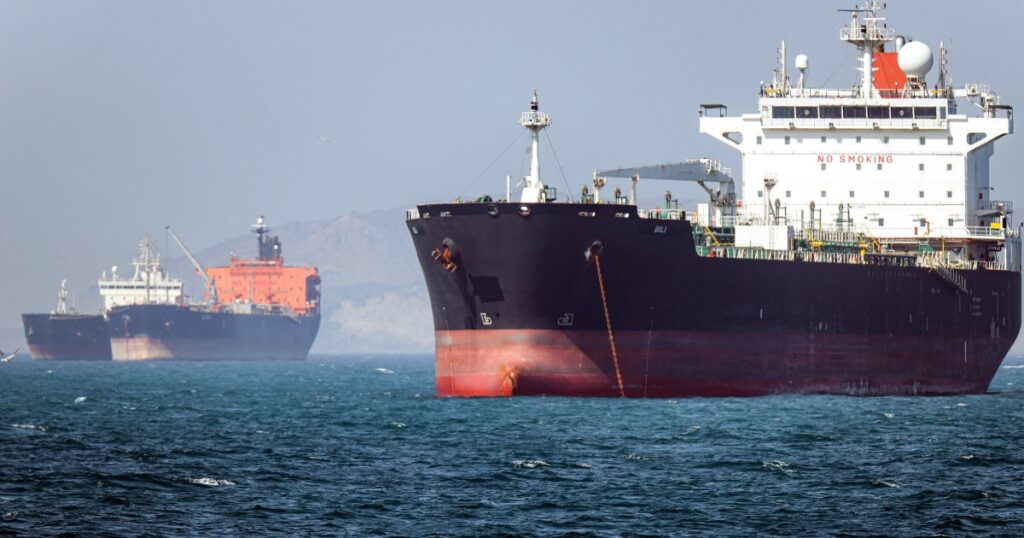
The U.S. pauses Project Freedom in the Strait of Hormuz amid ongoing Iranian missile and drone attacks on Gulf vessels. Despite renewed violence, officials say the ceasefire holds as diplomatic talks advance.
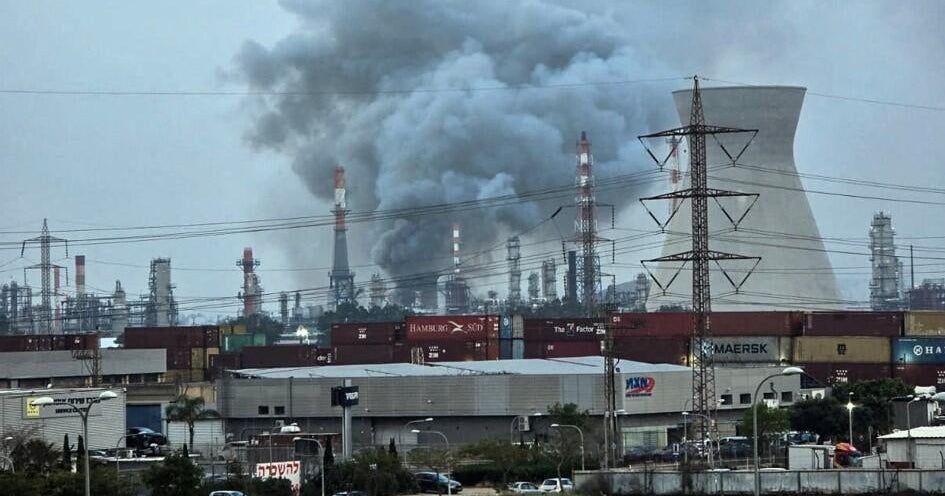
The conflict involving the United States, Israel, and Iran has intensified tensions across the Persian Gulf, with Iran launching retaliatory strikes on energy and civilian infrastructure in neighboring countries, prompting a high-level Gulf states meeting in Riyadh to address the escalating crisis. These attacks have severely impacted regional security and global energy markets, causing significant damage to oil and gas facilities and driving up oil prices, while military confrontations have included missile strikes, air raids, and the emergency landing of a U.S. F-35 jet. Despite widespread alerts and civilian sheltering, Gulf states remain divided on their response, with calls for de-escalation and ceasefire from some, amid fears of broader regional destabilization.
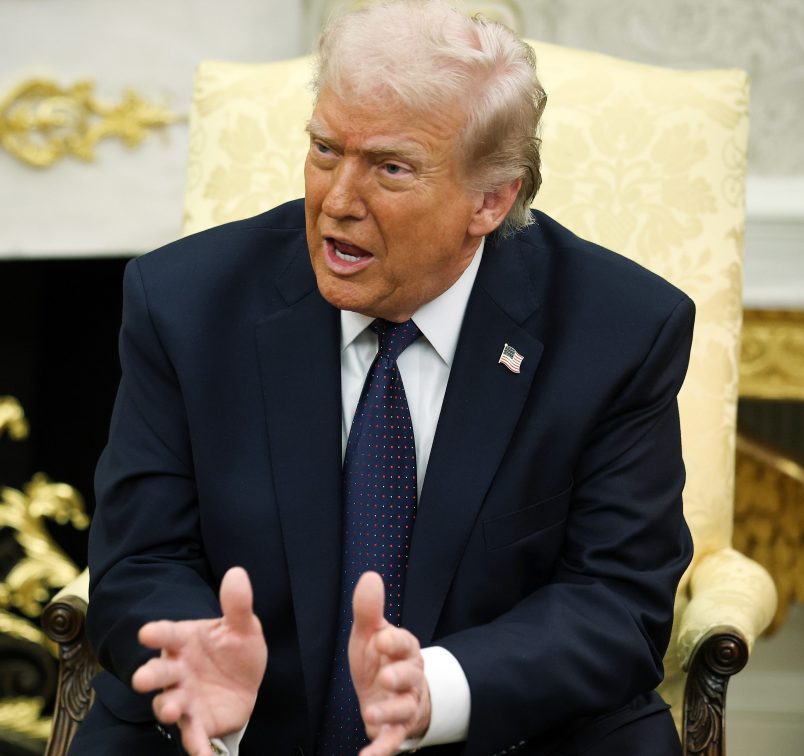
The conflict involving Iran in the Middle East has intensified over nearly two weeks, marked by a tragic U.S. military aircraft crash in Iraq, persistent Iranian drone and missile attacks on Gulf allies, and rising tensions fueled by President Trump’s aggressive rhetoric. These attacks have disrupted critical shipping routes like the Strait of Hormuz, prompting discussions of U.S. naval escorts to protect oil tankers amid soaring global energy prices. Meanwhile, Iran’s internal crackdown on protests and calls from international leaders for regime change highlight the multifaceted and volatile nature of the ongoing crisis.
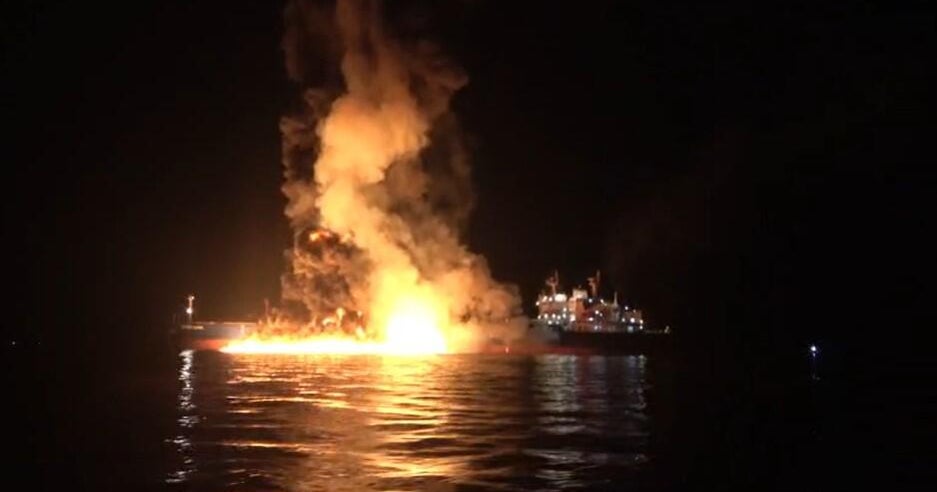
Oil prices surged sharply amid escalating conflict involving the U.S., Israel, and Iran, with Brent crude surpassing $100 per barrel due to disruptions in the critical Strait of Hormuz and attacks on oil infrastructure across the Gulf region. The crisis has led to significant economic impacts, including declines in U.S. stock markets, production shutdowns by major energy companies, and government measures such as fuel rationing in India and potential U.S. policy changes like a temporary Jones Act waiver and strategic oil reserve releases. Meanwhile, military actions have intensified, causing substantial casualties and prompting international efforts to address the escalating threats to global energy supplies and maritime security.

The conflict between the United States, Israel, and Iran has escalated with attacks on commercial ships near the Strait of Hormuz, drone strikes on Dubai’s airport, and significant U.S. military casualties, while diplomatic tensions rise as Spain withdraws its ambassador from Israel. A devastating missile strike on an elementary school in southern Iran, reportedly caused by a U.S. missile, has resulted in over 165 deaths and prompted calls for an international investigation into potential war crimes. The situation underscores the growing human toll and the broader geopolitical and legal ramifications of the ongoing hostilities in the Middle East.
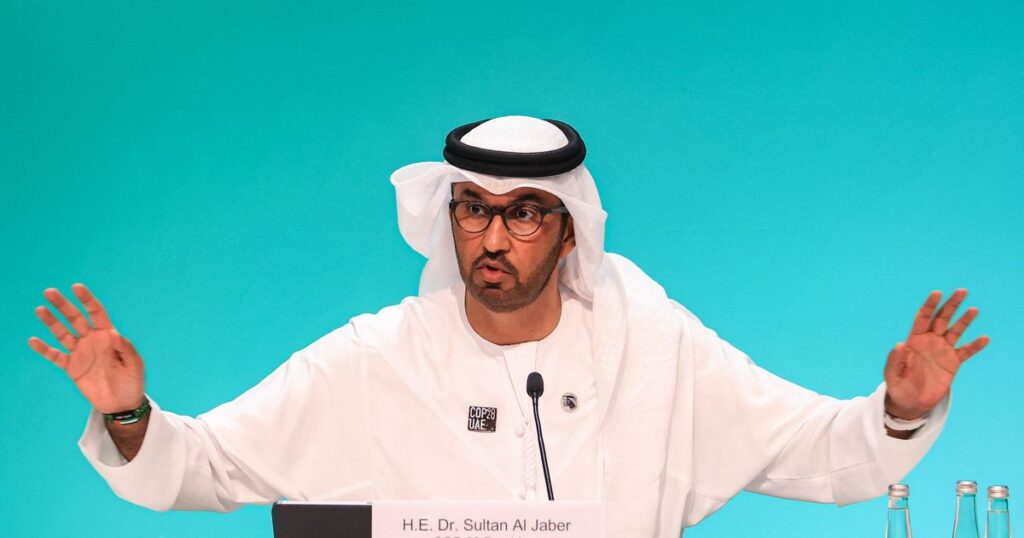
The 28th Conference of the Parties (COP28) to the United Nations Framework Convention on Climate Change is currently underway in Dubai, UAE, presided over by Sultan Al Jaber. Al Jaber has been criticized for his attempts to use the talks to strike oil and gas deals and for his dismissal of the need to urgently phase out fossil fuels. He has argued that there is "no science" to support the idea of phasing out fossil fuels, sparking debate among those attending the conference. It remains to be seen whether a deal to phase out fossil fuels will be reached.
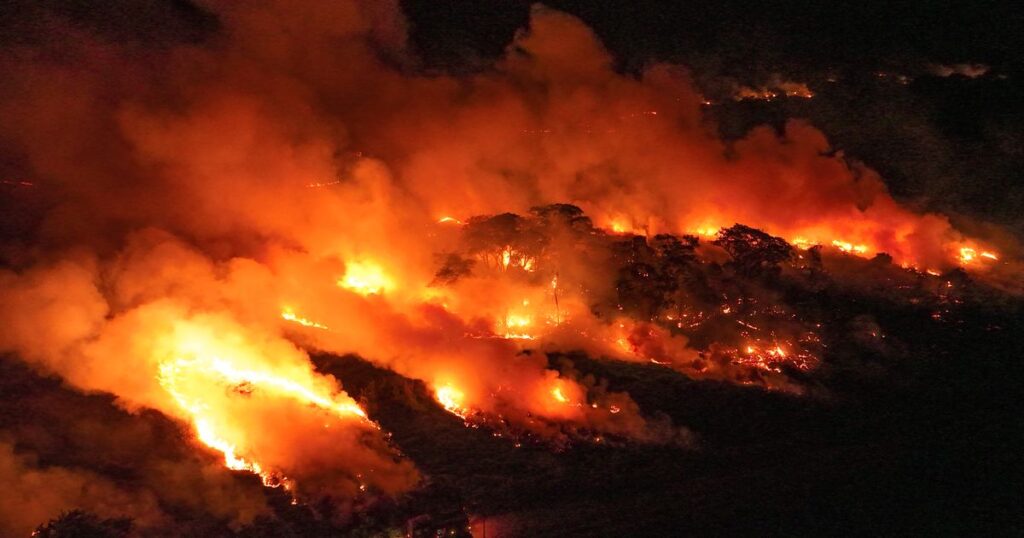
The World Meteorological Organization (WMO) has announced that 2023 is likely to be the hottest year on record, with global temperatures reaching 1.4 degrees Celsius (2.5 Fahrenheit) above preindustrial levels. This is just one-tenth of a degree under the Paris climate accord's target limit for the end of the century. The WMO report warns of increasing floods, wildfires, glacier melt, and heat waves, and the onset of El Nino could tip the average temperature next year over the 1.5-degree (2.7 degrees Fahrenheit) threshold. World leaders must take immediate action to reduce emissions and mitigate the effects of climate change to meet the Paris climate accord's goal of limiting global warming to 1.5 degrees Celsius (2.7 degrees Fahrenheit).