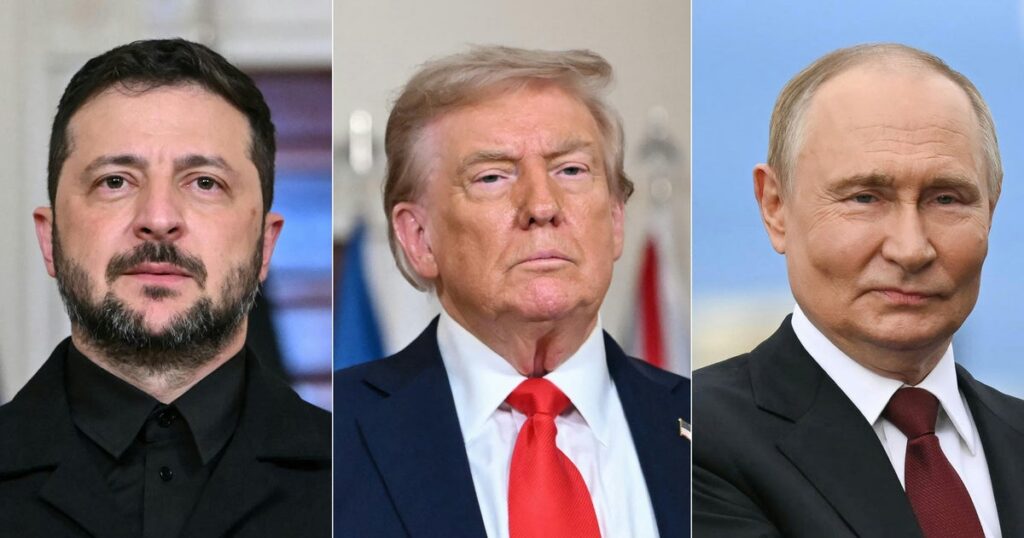
The United States has temporarily eased sanctions on Russian oil, allowing the purchase of petroleum products already loaded onto ships before the announcement, aiming to ease global energy market disruptions caused by conflicts in the Middle East. Treasury Secretary Scott Bessent emphasized the measure is narrowly tailored to avoid benefiting Russia financially and to increase existing supply amid restricted shipping through the Strait of Hormuz. While Russia welcomed the move as stabilizing global markets, European governments and some U.S. lawmakers criticized it for potentially strengthening Russia’s position and undermining sanctions related to the Ukraine conflict.
Posts tagged as “the United Kingdom”
Oil prices have surged due to the escalating Middle East conflict, which has disrupted shipping through the strategic Strait of Hormuz and drawn significant military attention from the U.S. and its allies. Russia has emerged as a key beneficiary of rising energy prices, potentially increasing its oil revenues and military spending amid the ongoing Ukraine war. Meanwhile, the conflict intensifies with attacks on Gulf countries, heightened regional military deployments, and diplomatic efforts to support affected nations and maintain global energy security.
The United Kingdom's Supreme Court has ruled that the terms "woman" and "sex" in the Equality Act 2010 refer specifically to individuals born biologically female, excluding transgender women from this legal definition. This decision, delivered by Justice Patrick Hodge, clarifies the interpretation of gender and sex within the context of UK equality legislation and is expected to impact legal understandings of these concepts. The ruling arose from a challenge to a 2018 Scottish law that included transgender women in its definition of women for gender parity on public boards, highlighting ongoing debates about gender identity and equality.
Global financial markets are experiencing significant turbulence due to investor concerns over the economic impact of tariffs imposed by the Trump administration, with U.S. stock futures and international markets showing substantial declines. The imposition of tariffs has introduced a new dynamic in international trade relations, affecting both allies and adversaries, and raising concerns about the potential unraveling of globalization. As markets and governments worldwide monitor the situation, the tariffs have the potential to significantly alter the global economy and impact the financial well-being of billions.
Mark Carney has been sworn in as Canada's new prime minister, succeeding Justin Trudeau, amid significant challenges such as a trade conflict with the U.S. and looming federal elections. The trade tensions have been intensified by U.S. President Donald Trump's demands for increased NATO defense spending, pressuring Canada and other allies to reconsider their military budgets. As Carney takes office, he is expected to call for a general election soon, which will be a critical test for the Liberal Party in addressing both international and domestic issues.
Mark Carney has been elected as the new leader of Canada's Liberal Party, positioning him to succeed Justin Trudeau as prime minister following Trudeau's resignation announcement. Carney's leadership comes at a challenging time, with Canada facing economic uncertainty due to a trade war initiated by U.S. President Donald Trump and threats of annexation. With a strong mandate from the Liberal Party and a wealth of experience in economic management, Carney is expected to address these pressing issues and navigate the political landscape ahead of an impending federal election.
Three Bulgarian nationals living in the UK, Katrin Ivanova, Vanya Gaberova, and Tihomir Ivanov Ivanchev, were found guilty of espionage for Russian intelligence, following a trial that began in November. The prosecution described their surveillance activities across Europe from 2020 to 2023 as extensive, although the defendants claimed ignorance of their assignments' true nature and denied deliberate involvement in espionage. The case highlighted the complexities of espionage operations and the challenges faced by authorities in addressing foreign intelligence threats in Europe.