Key takeaways:
- The Bank of Japan raised its policy rate from 0.75% to 1%, the highest level since 1995.
- The central bank cited rising oil prices and increasing medium- to long-term inflation expectations as risks to its 2% price target.
- Japan’s core consumer inflation rose 1.4% year on year in April, while wholesale prices climbed more than 6% in May from a year earlier.
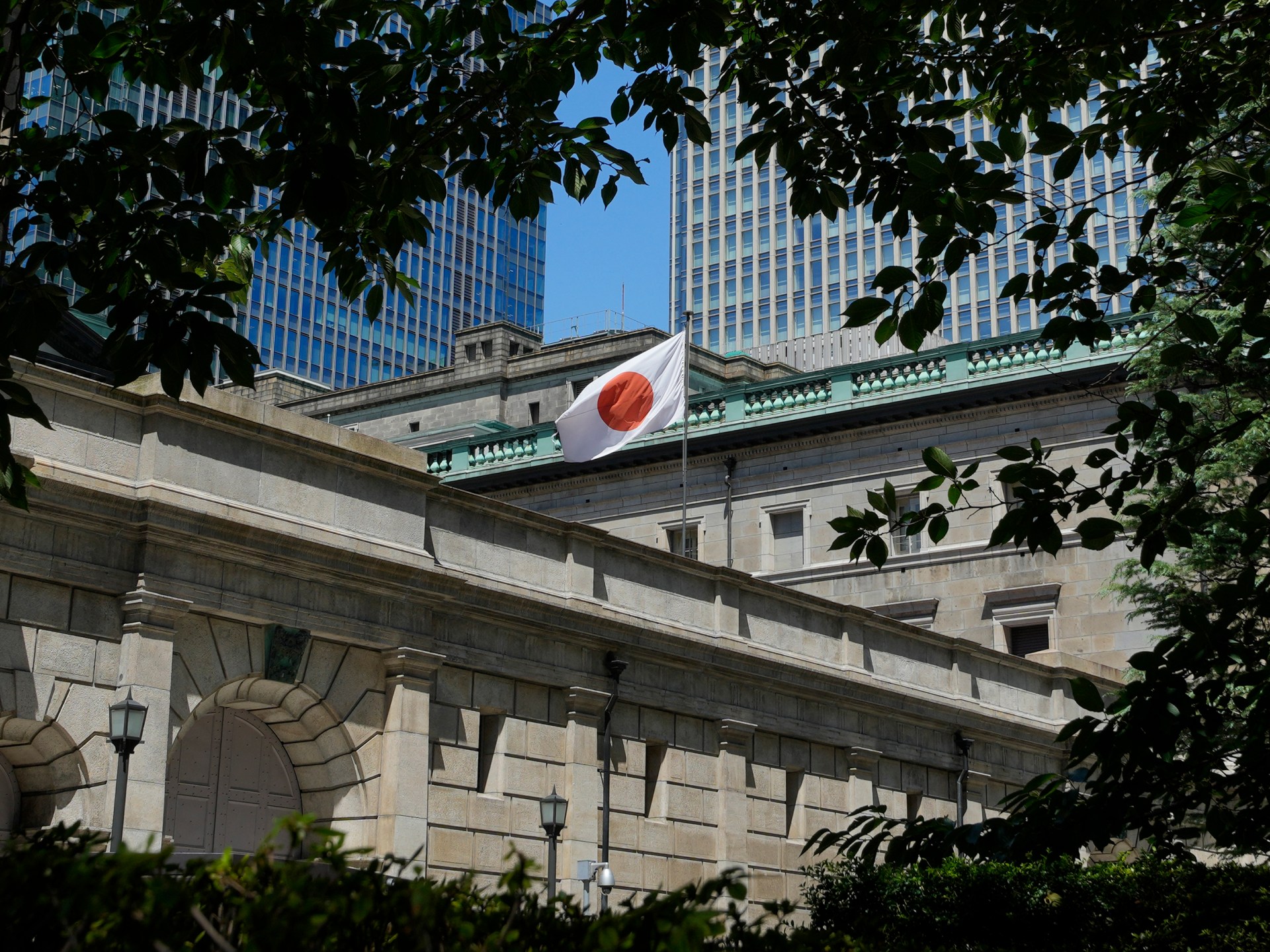
Japan’s central bank raised its benchmark interest rate to 1% on Tuesday, its highest level in 31 years, as higher global energy prices add pressure to an economy long defined by ultra-low borrowing costs.
The Bank of Japan voted 7-1 to lift its key policy rate from 0.75%, according to Al Jazeera, continuing a gradual shift away from emergency-era monetary policy that had kept rates near zero for much of the past two decades. The quarter-point increase had been widely expected after the bank raised its policy rate to around 0.75% in December.
The move comes as central banks in several countries respond to price pressures linked to the US-Israel war with Iran, which has pushed up energy costs. Japan is especially exposed to such swings: Al Jazeera reported that the country imported about 95% of its crude oil from the Middle East before the war began.
In a statement, the BOJ said rising oil prices had fed into business-to-business transactions and could spread to prices “across a wide range of items.” The bank warned that “medium-to-long-term inflation expectations have also continued to rise” and said there was a risk of underlying consumer inflation moving above its 2% price stability target.
Japan’s overall inflation rate was 1.4% in April, below the central bank’s target. Core consumer prices, excluding fresh food, also rose 1.4% year on year in April, Al Jazeera reported. But wholesale prices climbed by more than 6% in May from a year earlier, the fastest pace in three years, according to the BBC.
The BOJ said the risk of a sharp deterioration in Japan’s economy because of the Iran war was reduced by government measures aimed at softening the blow from high fuel costs. Prime Minister Sanae Takaichi’s government has introduced steps to keep energy prices under control, including subsidies for household gas and electricity bills and, according to Al Jazeera, tapping Japan’s strategic oil reserves.
Japan’s rate increase marks another step away from policies adopted after the collapse of property and share prices in the early 1990s. Interest rates were cut aggressively during that period, and the country later endured years of weak growth and deflation. The BOJ began raising rates in March 2024, its first increase in 17 years, when it scrapped a negative rate of minus 0.1%.
“After twenty years of deflation, Japan is now in an inflationary upcycle,” Japan economist Jesper Koll told the BBC. “Emergency/crisis management monetary policy is no longer needed and the BOJ wants to get back to a normal monetary policy.”
Min Joo Kang, senior economist for South Korea and Japan at ING, told Al Jazeera the hike signalled “a positive shift for Japan’s economy, suggesting progress toward sustained growth and price stability.” She added: “The BoJ now sees its sustainable inflation target of 2 percent as within reach, which supports its confidence in gradually normalising policy.”
The decision comes despite political sensitivities around higher borrowing costs. Takaichi has previously dismissed the idea of hiking rates, though she has not publicly criticised the BOJ’s push for higher rates since taking office last year. Tuesday’s move is the second rate rise since she became prime minister.
BOJ Governor Kazuo Ueda missed this week’s meeting because he is in hospital being treated for an infected liver cyst, the BBC reported. Earlier this month, Ueda said that “should it be judged that upside risks to prices outweigh downside risks to economic activity, it will be necessary to thoroughly discuss the pros and cons of raising the policy interest rate.”
The BOJ is also seeking to stabilise the yen, which has come under pressure against major currencies including the US dollar and the euro. “There has been a sense that the yen is too cheap and that raising its currency will not hurt,” University of California San Diego business professor Ulrike Schaede told the BBC.
Even after the hike, Japan’s rate remains low by international standards. The United States and United Kingdom have rates above 3%, while Australia held rates at 4.35% on Tuesday and said it may raise them again if needed to control inflation.







Be First to Comment