
The Supreme Court has temporarily intervened in a legal battle over the Biden administration's restrictions on so-called "ghost guns," reviving a regulation from the Bureau of Alcohol, Tobacco, Firearms and Explosives (ATF) that requires anyone who manufactures or assembles a firearm for personal use to obtain a serial number from the ATF and be subject to a background check before they can be sold or transferred. A group of gun owners, manufacturers and firearms advocacy organizations challenged the rule in court, but the Biden administration has sought emergency relief from the Supreme Court to put on hold the lower court's ruling while it appeals the decision. The court's decision is a temporary victory for the Biden administration, freezing the litigation until the justices decide whether to hear the case.
Posts tagged as “the Supreme Court”
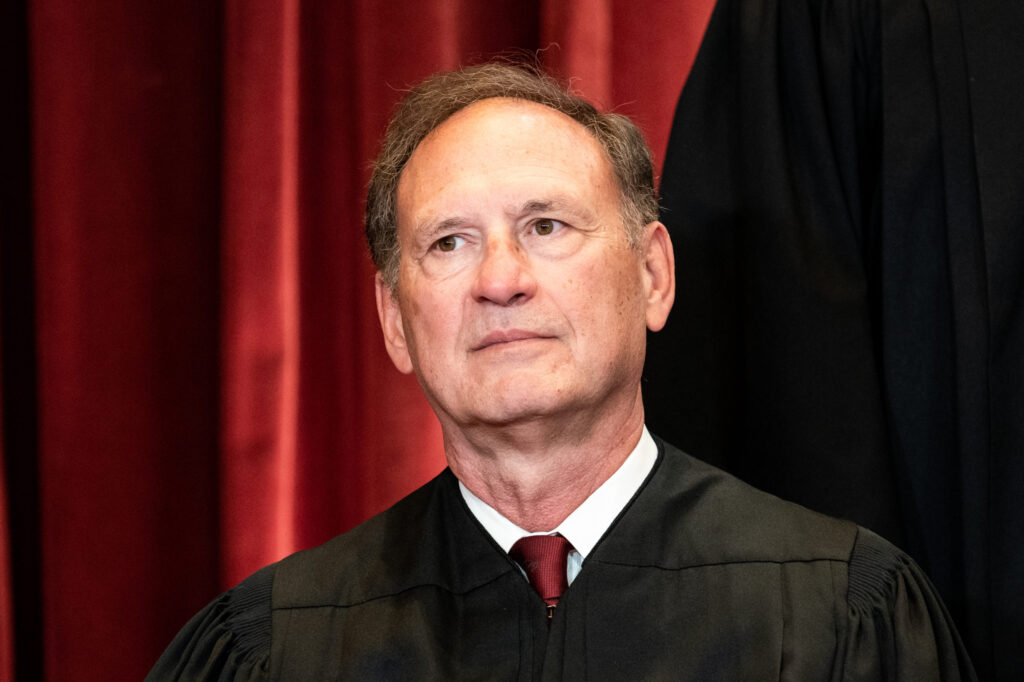
Democrats have pushed a Supreme Court ethics legislation through a Senate committee, which has been met with opposition from Justice Alito, who is the first member of the court to take a public stand against it. The legislation is in response to Justice Alito's interview with two Wall Street Journal writers, including one who is an attorney representing plaintiffs in a key case before the Supreme Court. Its prospects in the full Senate remain uncertain.
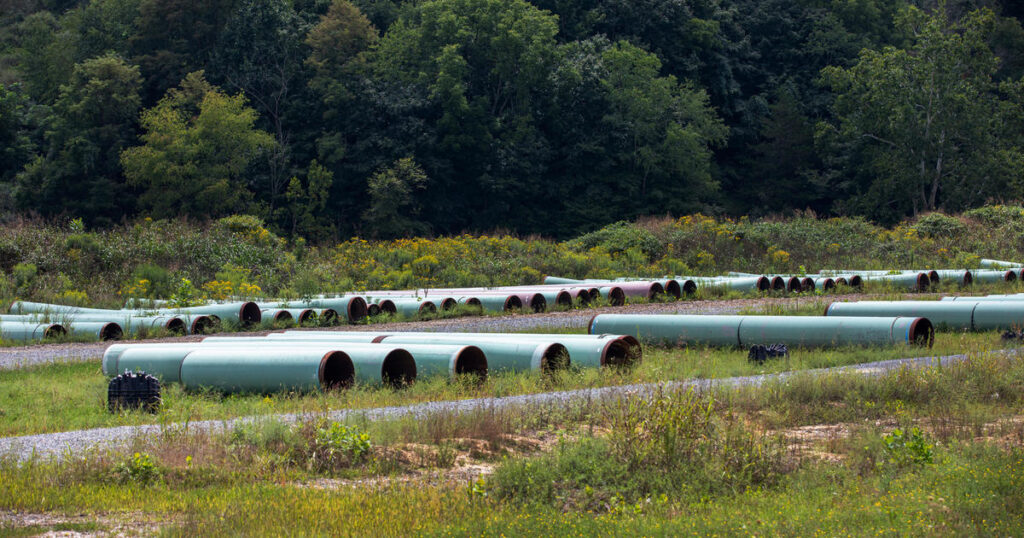
The Supreme Court has granted an emergency request from Mountain Valley Pipeline, allowing construction of the 303.5 mile natural gas pipeline to resume. The project, which will transport natural gas from West Virginia to Virginia, has been entangled in numerous legal challenges from environmental groups, but Congress recently stripped courts of authority to review approval of the pipeline. The project is expected to create thousands of jobs and provide an economic boost to the region, and is now expected to be completed by the end of 2021.
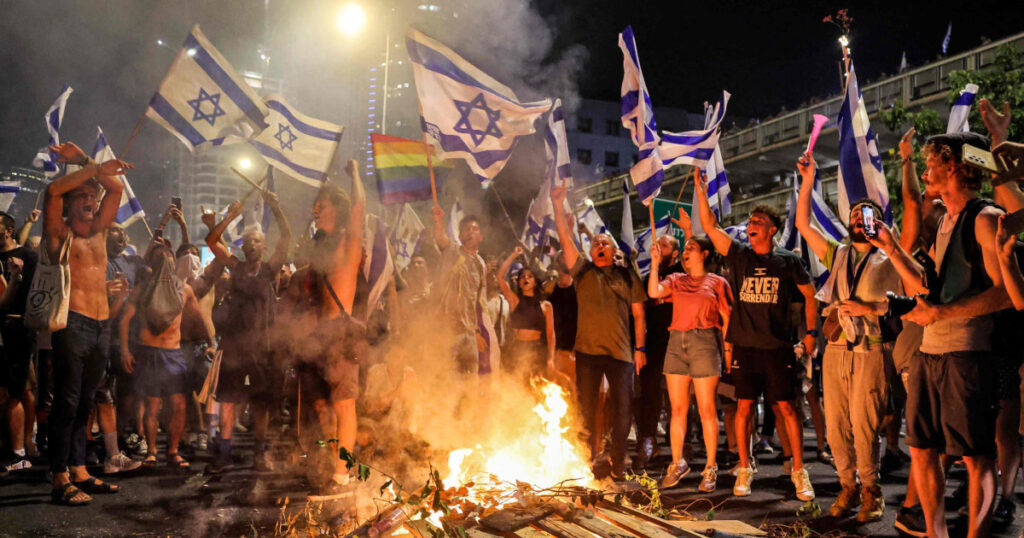
Israel's Knesset has passed a controversial law that limits the power of the Supreme Court, allowing a simple majority in parliament to overturn its decisions. The law has been met with strong opposition from many in Israel, leading to months of protests from tens of thousands of demonstrators. The law is a major step in Prime Minister Benjamin Netanyahu's plans to overhaul the judiciary and weaken the Supreme Court, and its long-term effects remain to be seen.
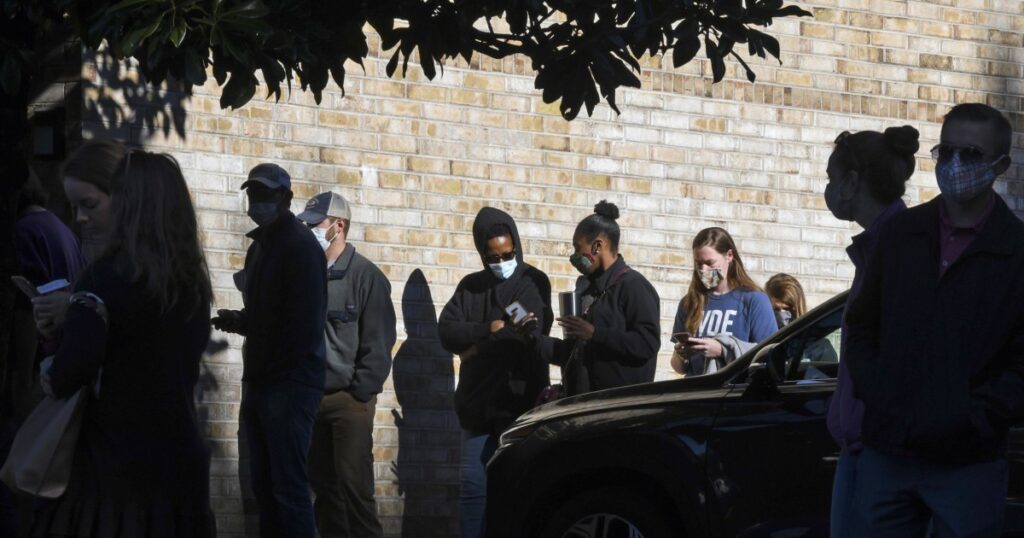
Alabama lawmakers have passed a new map with one majority-Black congressional district and a second district that is approximately 40% Black, in response to a Supreme Court order to give minority voters a greater voice in elections. Civil rights groups have argued that the new map does not go far enough to ensure that minority voters have an equal voice, and the map could still face legal challenges. The new map could also have an impact on the 2022 congressional elections, as the boundaries could shift the balance of power in the state.
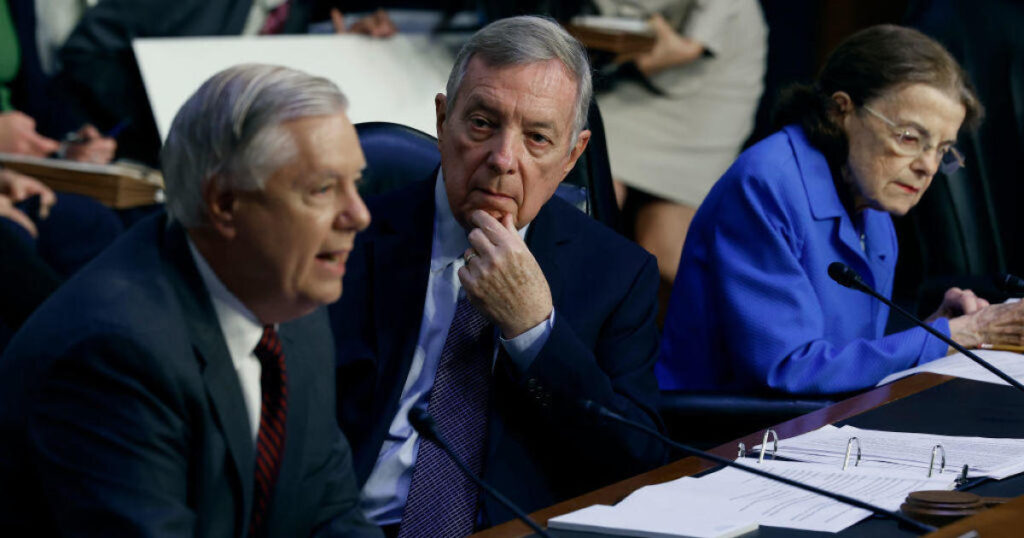
The Senate Judiciary Committee has advanced legislation that would require the Supreme Court to adopt an ethics code, tighten financial disclosures, and bolster recusal requirements for justices. This bill, sponsored by Democratic Senator Sheldon Whitehouse, is seen as a crucial first step in restoring confidence in the court and addressing the “steady stream of reports of justices’ ethical failures”. If passed, it would be the first time the Supreme Court has been required to adopt an ethics code.
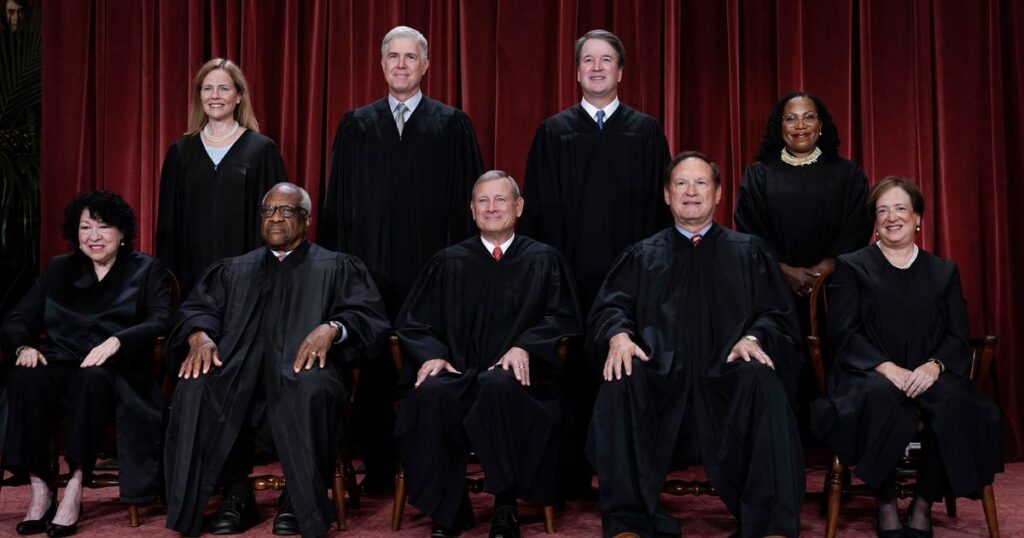
Sen. Lindsey Graham (R-SC) spoke at a press conference on Wednesday, urging the Supreme Court to "get their house in order" and for Congress to stay out of the Court's business. The bill proposed by Democrats would impose new ethics rules and transparency standards on the Supreme Court, but Republicans are strongly opposed to it. The Senate Judiciary Committee is expected to vote on the bill Thursday, and the implications of the bill remain to be seen.
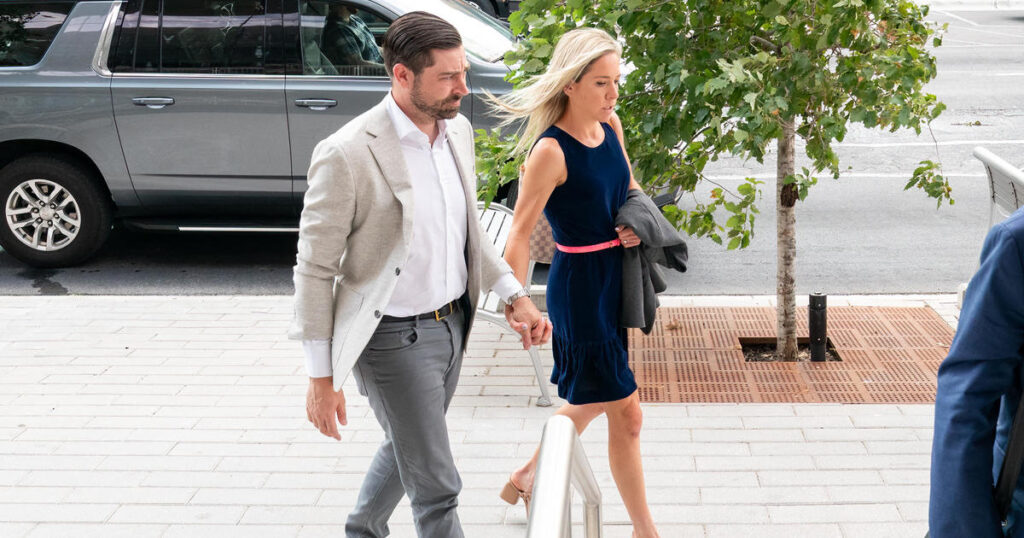
Women in Texas are suing the state for clarity on exceptions to its strict abortion laws, after being denied care during their failed pregnancies. The lawsuit, brought by the Center for Reproductive Rights, is the first of its kind since the Supreme Court overturned Roe v. Wade last year. The women are seeking a preliminary injunction to allow lifesaving care for women in the state, and two of the women involved in the lawsuit spoke about the impact of Texas' abortion law at the hearing. A ruling is expected soon.