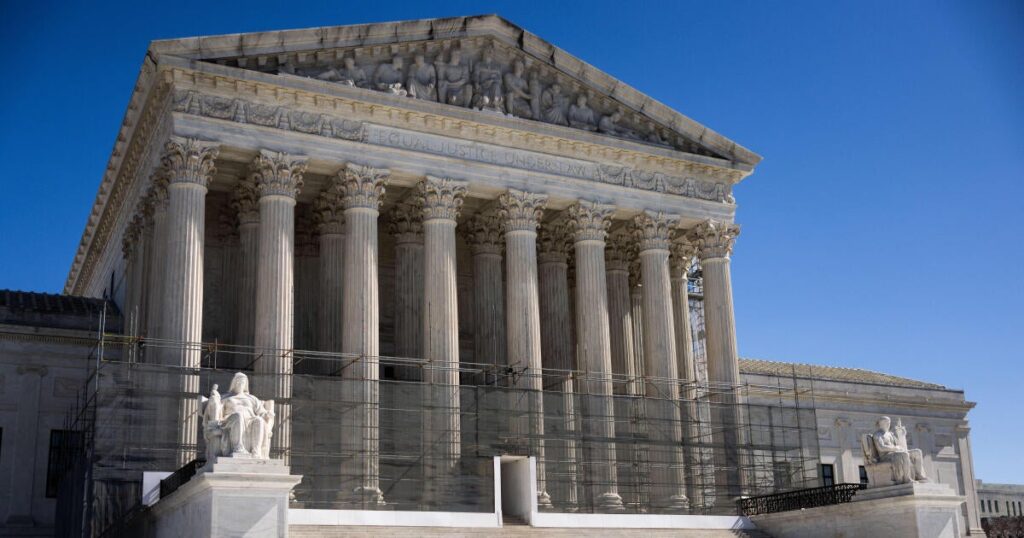
In 2019, Colorado enacted a law prohibiting licensed mental health professionals from practicing conversion therapy on minors, in response to concerns about its negative impact on mental health. The U.S. Supreme Court has agreed to hear a challenge to this law, brought by a Christian therapist who claims it infringes on her First Amendment rights. The case has significant implications for similar bans across more than 20 states, as it addresses the balance between protecting minors' mental health and upholding free speech and religious rights.
Posts tagged as “the Supreme Court”
Republican senators have raised concerns about budget cuts proposed by Elon Musk, emphasizing the potential human and political consequences, and have engaged in discussions with Musk, who assured them that any cuts would require congressional approval. Concurrently, Justice Samuel Alito issued a strong dissent regarding a court ruling on a $2 billion payment for completed work, highlighting tensions over government financial obligations. Additionally, Secretary of State Marco Rubio and Transportation Secretary Sean Duffy criticized Musk for recent employee terminations, reflecting broader debates over the impact of cost-cutting measures on government operations, while a controversial Supreme Court decision has sparked backlash against Justice Amy Coney Barrett from conservative circles.
The Supreme Court has ruled to uphold a lower court's order requiring the Trump administration to allocate nearly $2 billion in foreign aid funds, concluding a temporary pause initiated by Chief Justice John Roberts. This decision affirms the authority of a federal judge to mandate the release of funds to USAID contractors, although it does not require immediate payment. The ruling emphasizes the judiciary's oversight role in the executive branch's management of foreign assistance, ensuring adherence to legal processes in the allocation of international aid.
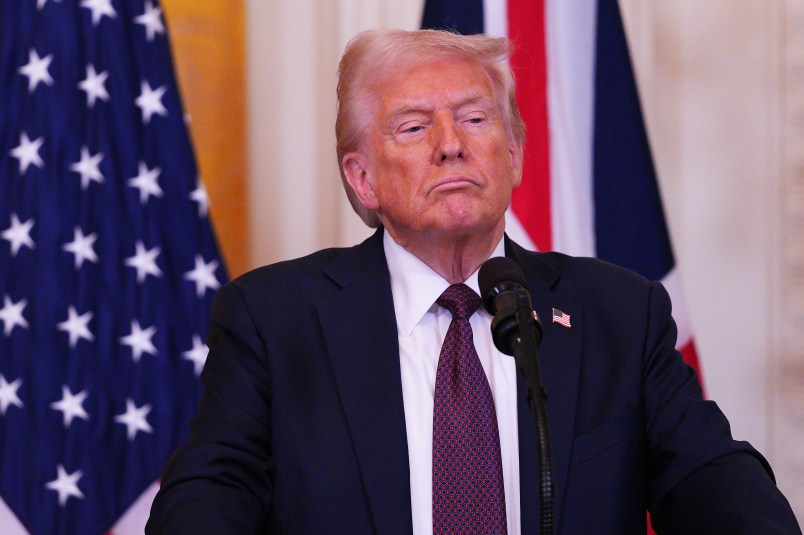
The Supreme Court is reviewing a case where the Mexican government seeks to hold U.S. gun manufacturers accountable for violence in Mexico, attributing it to firearms produced in the United States, amidst strained U.S.-Mexico relations following President Trump's policies on migration and border security. During oral arguments, justices expressed skepticism about Mexico's claims, focusing on a federal law that protects gun manufacturers from liability, suggesting the court may rule against Mexico. Concurrently, a federal judge reinstated Cathy Harris to the Merit Systems Protection Board, ruling her removal by President Trump was unlawful, while new tariffs on Mexican goods highlight ongoing trade tensions between the two nations.
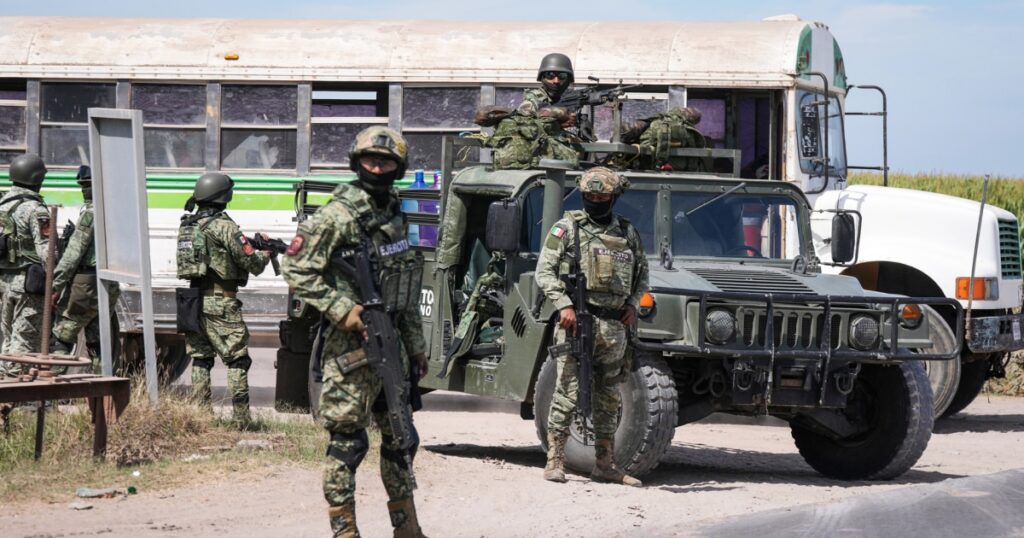
The United States Supreme Court is set to deliberate on Smith & Wesson Brands v. Estados Unidos Mexicanos, a pivotal case where the Mexican government seeks to hold American gun manufacturers accountable for violence linked to firearms trafficked across the U.S.-Mexico border, challenging the Protection of Lawful Commerce in Arms Act (PLCAA). This case arrives amid escalating violence in Culiacán, Mexico, due to drug cartel conflicts, emphasizing the urgent need for safety measures among local residents. The Supreme Court's decision could significantly impact the legal responsibilities of gun manufacturers and shape future policies on gun trafficking and cross-border violence.
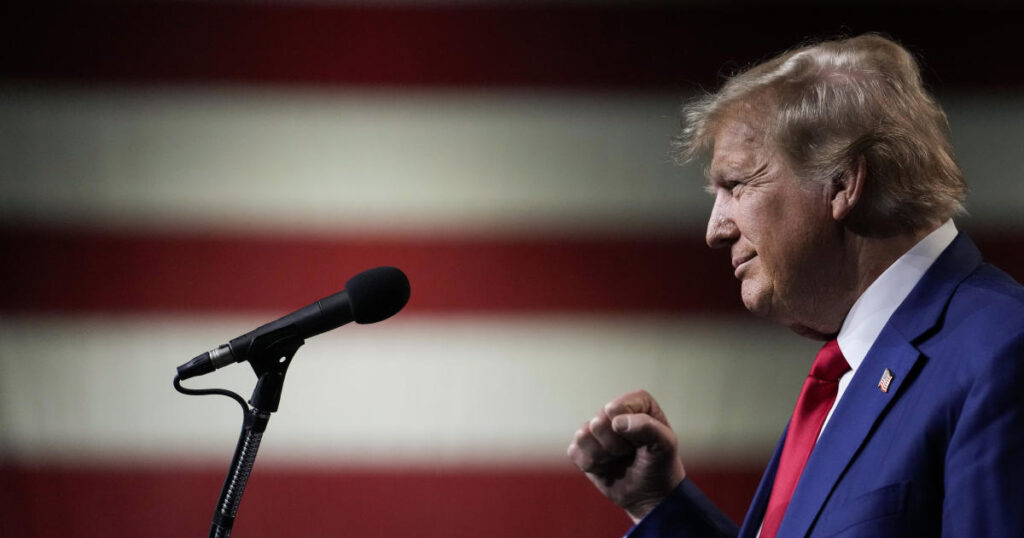
Donald Trump has filed an appeal to the U.S. Supreme Court in response to a ruling from the Colorado Supreme Court that found him ineligible to hold the presidency under the Constitution's "insurrection clause". The ruling was based on language in the 14th Amendment that prohibits those who "engaged in insurrection" from running for various federal offices. Trump's lawyers argued that the question of eligibility to serve as President of the United States is properly reserved for Congress, not the state courts, to consider and decide. The appeal has been met with mixed reactions from the public.

A federal appeals court has ruled that Texas can ban emergency abortions, despite the Biden administration's argument that the 1986 Emergency Medical Treatment and Labor Act should be used to require hospitals to provide the procedure if the mother's life is at risk. This ruling is part of numerous cases involving abortion restrictions that have played out in state and federal courts since the Supreme Court's ruling in 2022, and will likely have a significant impact on the future of abortion rights in the state.
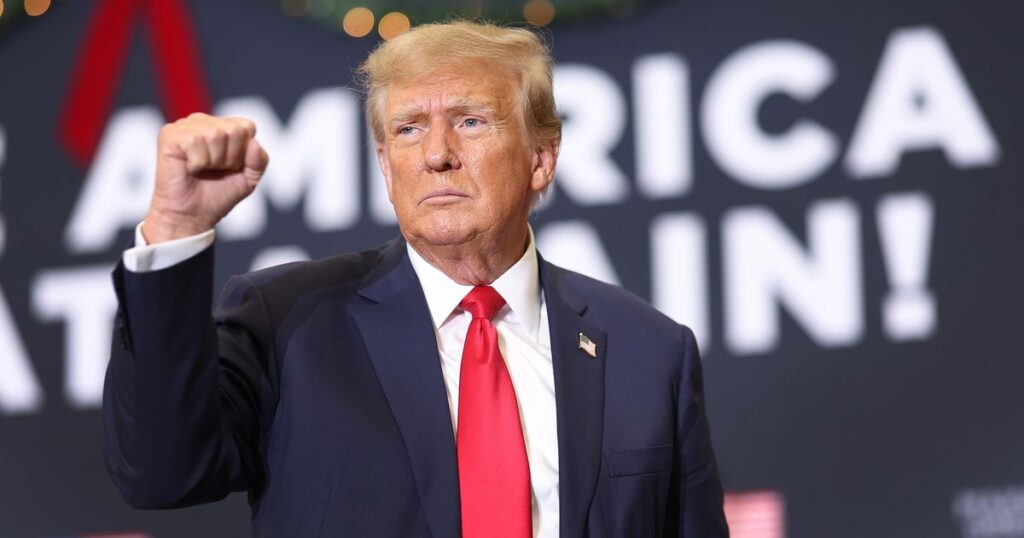
Four Colorado voters have asked the Supreme Court to decide whether former President Donald Trump is constitutionally eligible to appear on the state's Republican primary ballot. The appeal follows Maine's Secretary of State barring Trump from running for the presidency under the rarely used Section 3 of the 14th Amendment. The Colorado voters believe the case is of "utmost importance" and warrants quick action, as it revolves around the Constitution's insurrection clause and whether Trump incited the Jan. 6 attack on the U.S. Capitol. The Supreme Court's decision could have a major impact on the Republican Party's future.