
The United States Supreme Court has upheld a Biden administration regulation that classifies "ghost gun" kits as firearms under federal law, allowing the Bureau of Alcohol, Tobacco, Firearms and Explosives (ATF) to regulate them. In a 7-2 decision, the court found that the ATF's regulation aligns with the federal Gun Control Act, rejecting challengers' arguments and affirming the agency's authority over certain weapon parts kits. This ruling is seen as a victory for gun control advocates, as it enhances oversight and accountability in the sale and distribution of gun parts by including ghost gun kits under the same regulatory framework as other firearms.
Posts tagged as “the Supreme Court”
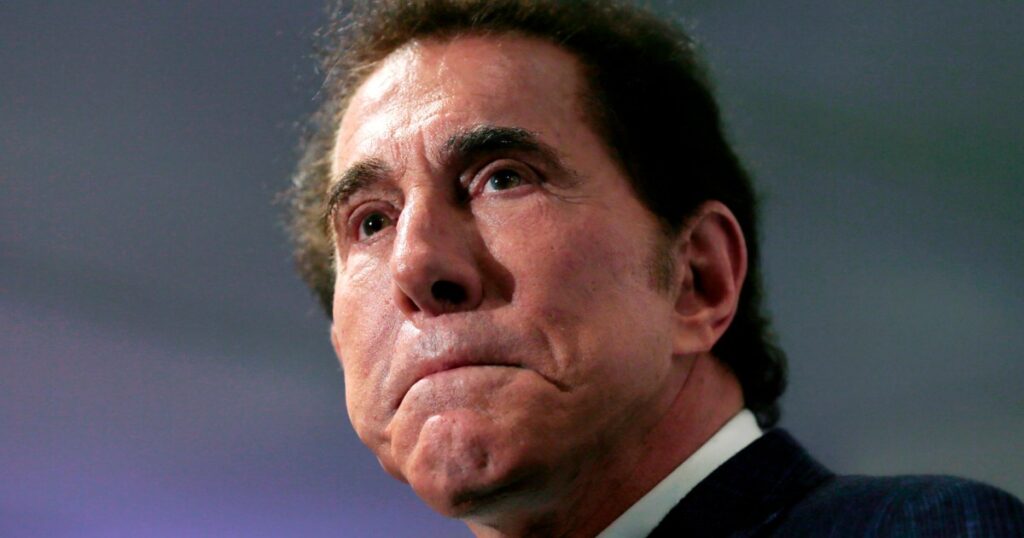
The United States Supreme Court has declined to hear a case brought by Steve Wynn, which sought to challenge the 1964 New York Times v. Sullivan decision that requires public figures to prove "actual malice" in defamation lawsuits. Wynn's case aimed to lower the threshold for public figures to pursue defamation claims, potentially altering media law, but the court's decision leaves the existing standard intact. This decision highlights the ongoing influence of the Sullivan ruling in protecting news organizations under the First Amendment, despite some calls to revisit the precedent.
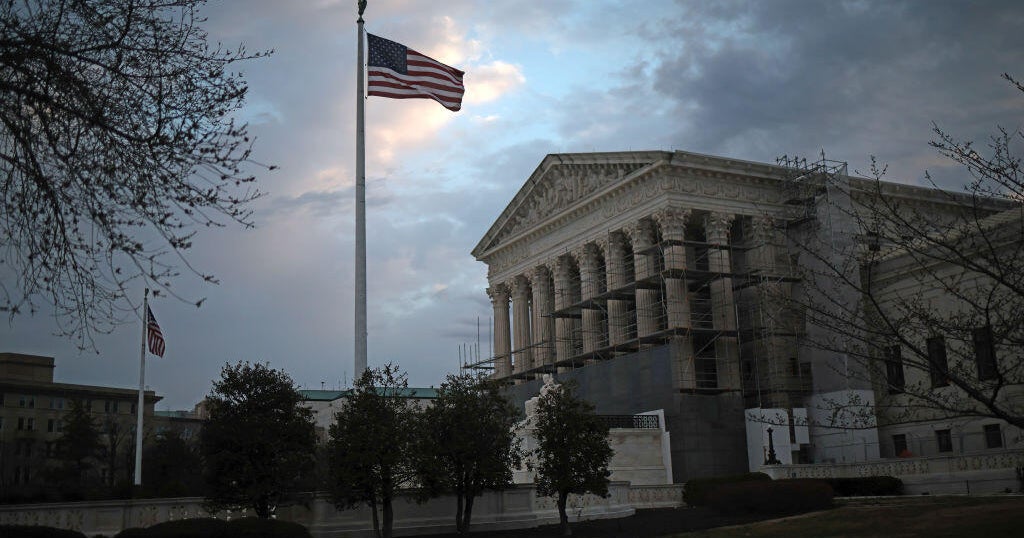
The United States Supreme Court is set to deliberate on a pivotal case regarding Louisiana's congressional map, which now includes two majority-Black districts for the first time in decades, following legal challenges after the 2020 census. This case has created an unusual alliance between civil rights organizations and Republican officials, highlighting the complex intersection of race and politics in district mapping. The Supreme Court's decision could have far-reaching implications for future redistricting efforts and the broader national debate on racial considerations in electoral representation.
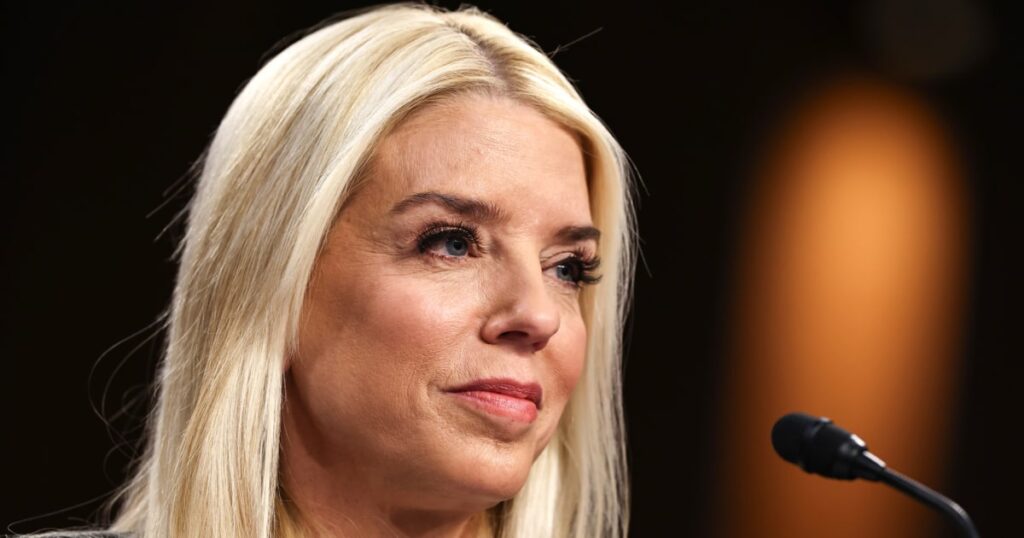
In a recent Fox News interview, former Florida Attorney General Pam Bondi criticized federal judges for challenging President Trump's policies, particularly those related to the Alien Enemies Act, arguing that these judges are overstepping their authority. Bondi expressed confidence that the Supreme Court will ultimately resolve these legal disputes, reflecting the administration's strategy of appealing to higher courts to overturn lower court decisions. The broader debate over judicial intervention in executive matters was also discussed on CBS's "Face the Nation," highlighting ongoing tensions regarding the separation of powers and the judiciary's role in shaping U.S. policy.
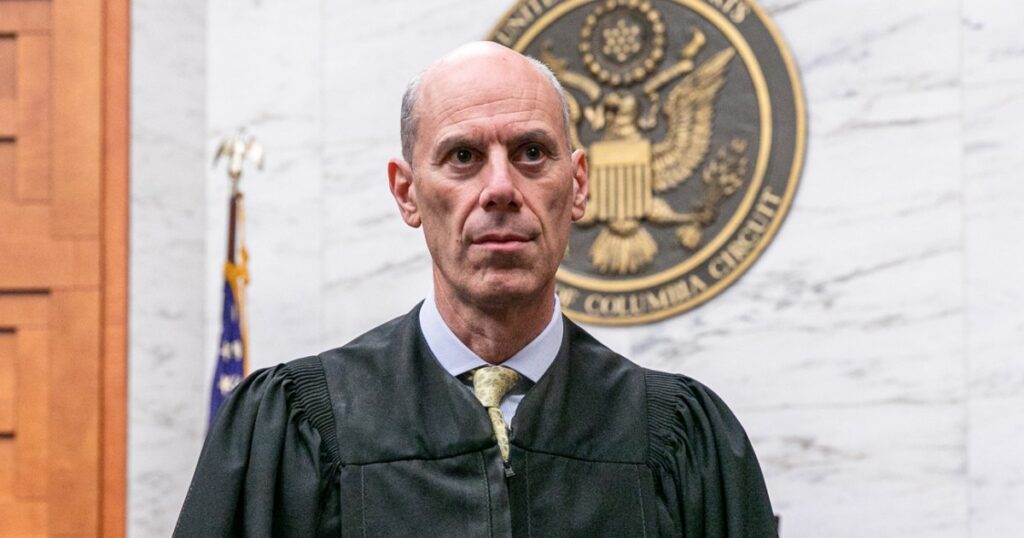
Chief Justice John Roberts issued a statement defending federal judges who have ruled against the Trump administration, emphasizing that impeachment is not an appropriate response to differing judicial opinions. His statement, released by the Supreme Court's public information office, highlights the importance of judicial independence and the established processes for addressing disagreements with court rulings. Concurrently, the Justice Department is engaged in a legal dispute with U.S. District Judge James Boasberg over a ruling requiring more information on deportations under a wartime act, underscoring ongoing tensions between the judiciary and the executive branch regarding the separation of powers.
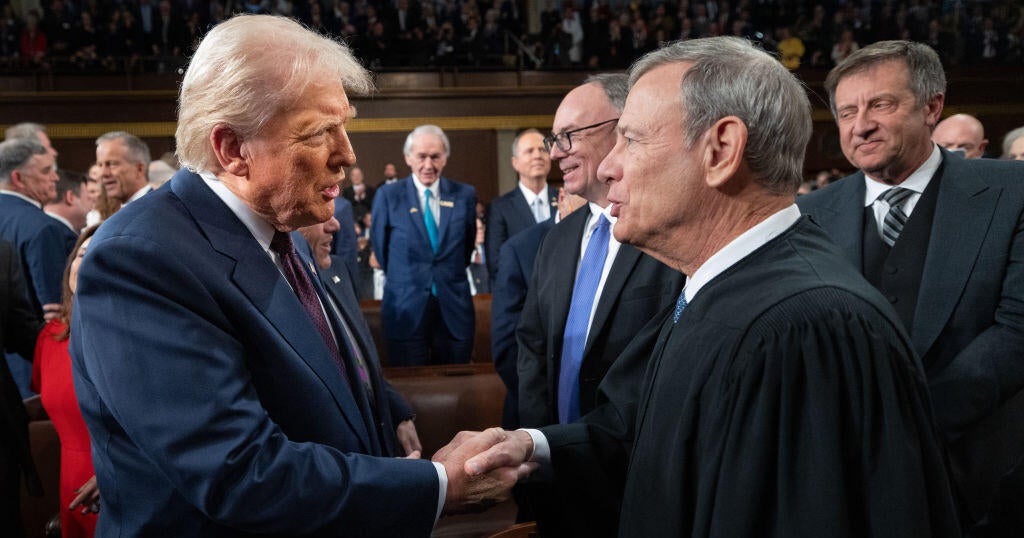
Chief Justice John Roberts issued a statement addressing calls for the impeachment of federal judges who have ruled against the Trump administration, emphasizing that impeachment is not an appropriate response to judicial decisions. He highlighted that disagreements with court rulings should be resolved through the appellate review process, underscoring the importance of judicial independence and established legal procedures. This statement comes amid tensions between the executive branch and the judiciary, sparked by President Trump's criticism of a federal judge on social media, and serves as a reminder of the foundational principles of separation of powers in the U.S. legal system.

The Trump administration is facing criticism for its handling of deportation flights involving alleged members of the Tren de Aragua gang, particularly after President Trump defied a federal judge's order to stop deporting Venezuelans to El Salvador. D.C. District Chief Judge James Boasberg has demanded a detailed account of the flights, setting a deadline for the government to respond, while the Justice Department has been criticized for not complying with the order to turn back planes already en route. This situation highlights ongoing tensions between the administration and the judiciary over immigration policies, with potential implications for future legal battles that may reach the Supreme Court.
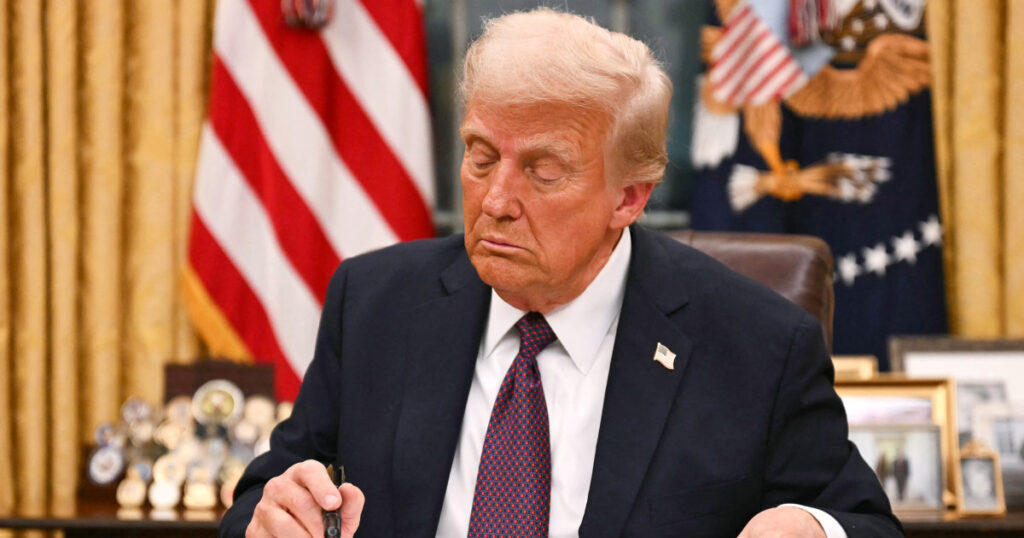
Former President Donald Trump has asked the Supreme Court to intervene in three lower court rulings that have blocked his executive order to end birthright citizenship. The Trump administration seeks to limit these nationwide injunctions to only those who have filed lawsuits or to residents of states challenging the order, potentially allowing enforcement elsewhere. The administration's appeal emphasizes their commitment to the policy change and highlights the significant implications the Supreme Court's decision could have on birthright citizenship in the U.S.