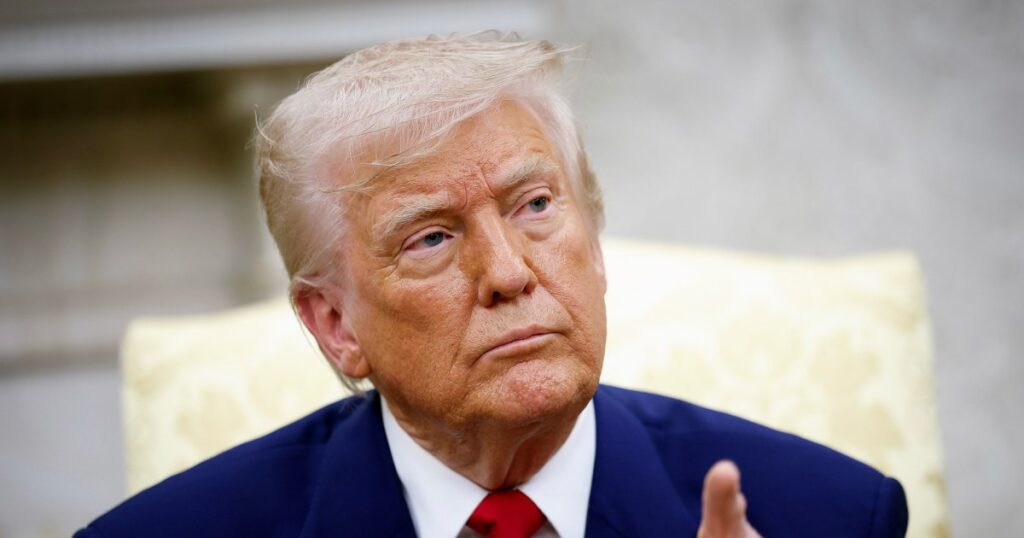
President Donald Trump's firm stance on tariffs has led to global uncertainty and market declines, further exacerbated by false headlines about potential tariff pauses. A narrow Supreme Court ruling allowed the Trump administration to proceed with deportations under the Alien Enemies Act, focusing on procedural issues and impacting immigration policies. Amid these developments, Trump threatened to increase tariffs on China, escalating trade tensions and highlighting ongoing challenges in U.S.-China relations.
Posts tagged as “the Supreme Court”
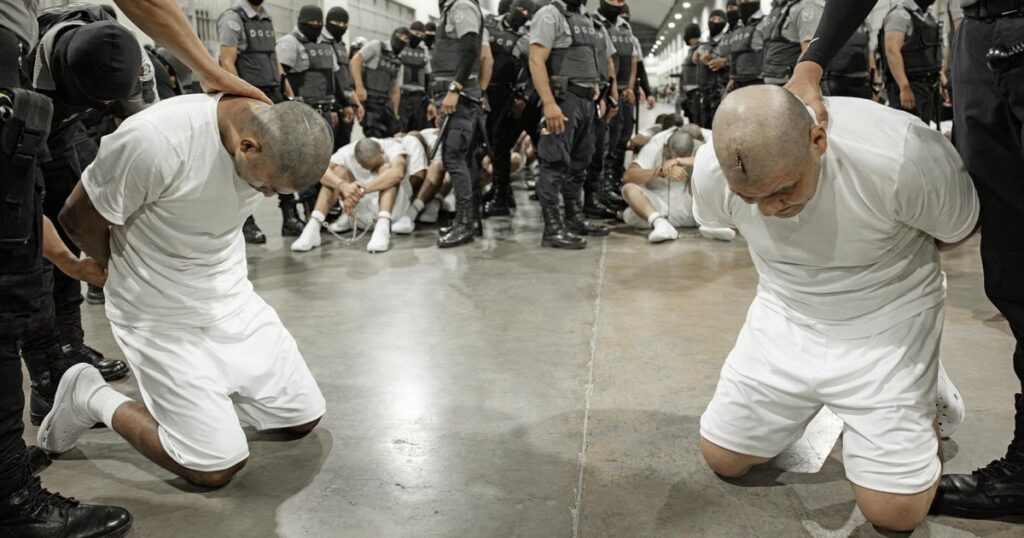
The Supreme Court ruled 5-4 in favor of the Trump administration's use of the Alien Enemies Act of 1798 to expedite the deportation of individuals alleged to be members of the Tren de Aragua gang, provided they are afforded due process. This decision overturns a previous federal judge's order that had halted these deportations due to concerns about the lack of legal proceedings. The Supreme Court emphasized the importance of jurisdiction, noting that the detainees are held in Texas, and redirected the legal proceedings to a more appropriate venue, highlighting the ongoing debate over immigration policy and the application of historical statutes.
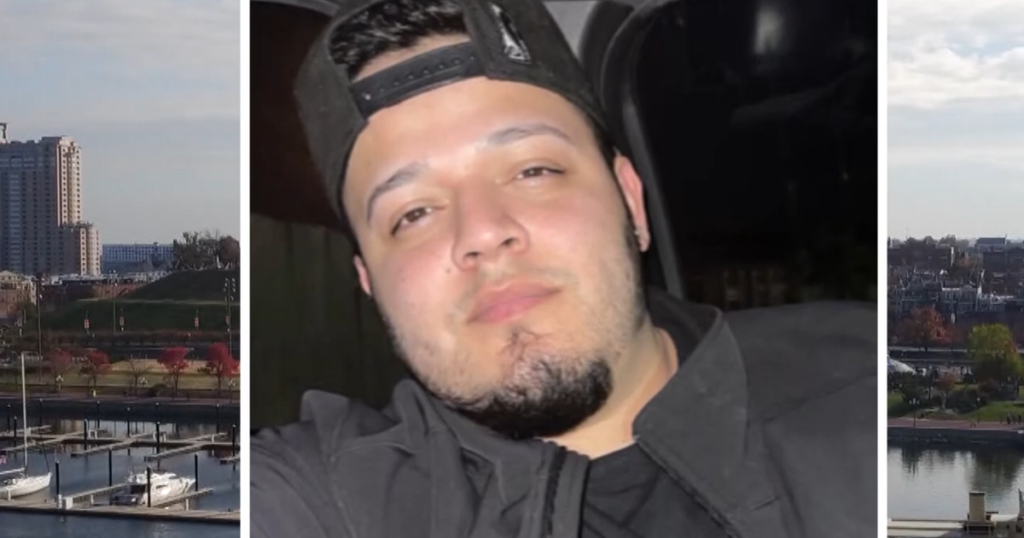
Chief Justice John Roberts has temporarily stayed a lower court's order requiring the return of Kilmar Armando Abrego Garcia, who was mistakenly deported to El Salvador, to allow the Supreme Court more time to review the case. The Justice Department sought emergency relief from the Supreme Court as the Trump administration faced a deadline to bring Abrego Garcia back, raising significant questions about the criteria for deportation. This case underscores the complexities of immigration enforcement and deportation processes, with the Supreme Court's forthcoming decision potentially impacting similar future cases.
The Supreme Court, in a narrow 5-4 decision, has temporarily halted a lower court's order that required the continuation of federal education grants, allowing the Trump administration to cancel these funds. The grants, which were aimed at supporting diversity, equity, and inclusion programs, were previously ordered to be reinstated by a Massachusetts federal judge who argued that the administration did not follow proper legal procedures. The Supreme Court's ruling, which questions the lower court's authority, will stand while further legal proceedings are underway, marking a significant legal victory for President Trump and raising concerns about the future of such educational programs.
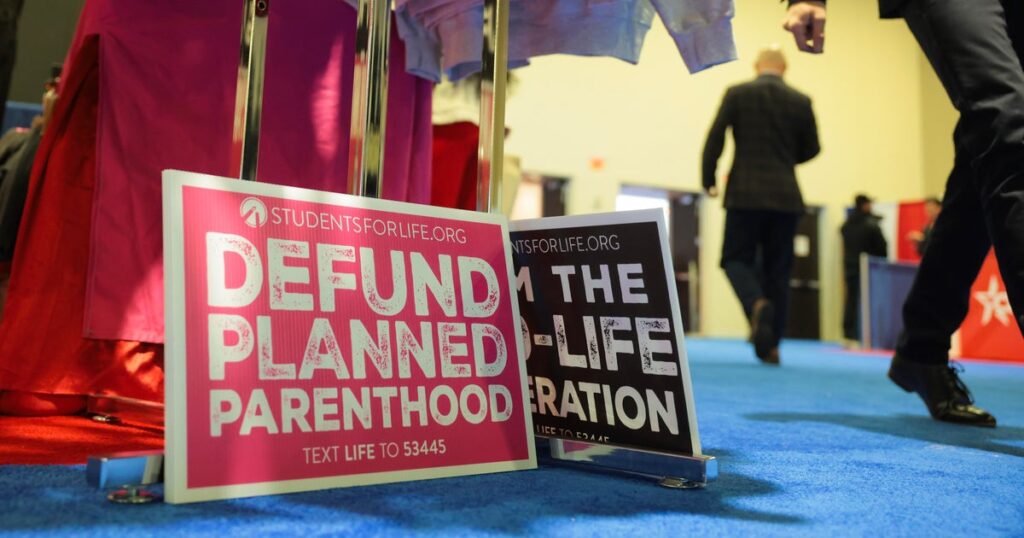
The Supreme Court is set to hear a case concerning whether Medicaid recipients can sue to choose their healthcare providers, with Planned Parenthood at the center of the dispute. Originating from efforts by anti-abortion officials in South Carolina to block Medicaid funds to Planned Parenthood, the case unfolds amid significant changes in abortion laws following the reversal of Roe v. Wade. The outcome could impact Medicaid recipients' access to healthcare providers and influence the national debate on reproductive rights and public health funding.
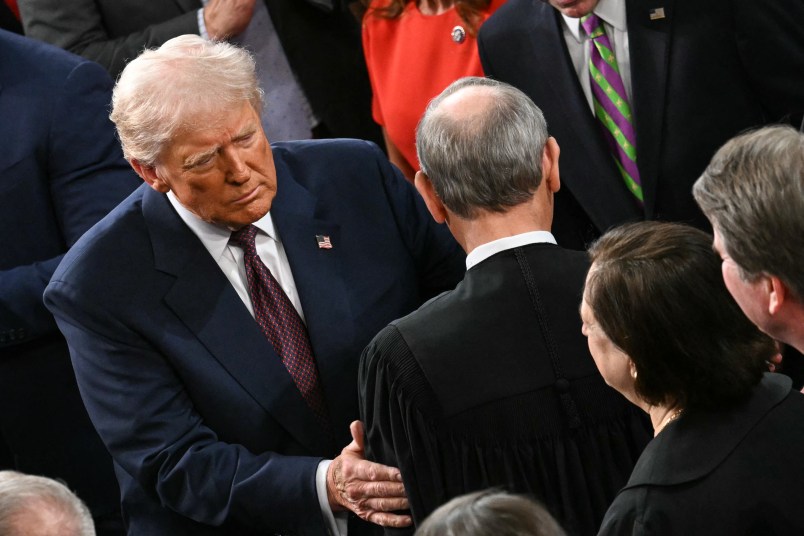
A federal appeals court in Washington, D.C., has permitted the Trump administration to proceed with the dismissal of certain members from the National Labor Relations Board and the Merit Systems Protection Board, overturning a previous district court decision that blocked these removals. The case, involving the removal of Gwynne Wilcox and Cathy Harris, is part of broader legal challenges against the administration's policies, including a separate request to the Supreme Court to lift a block on the deportations of Venezuelan detainees. The district court has extended its restraining order until at least April 12, underscoring the ongoing legal battles over the administration's efforts to enforce its board dismissals and deportation policies.
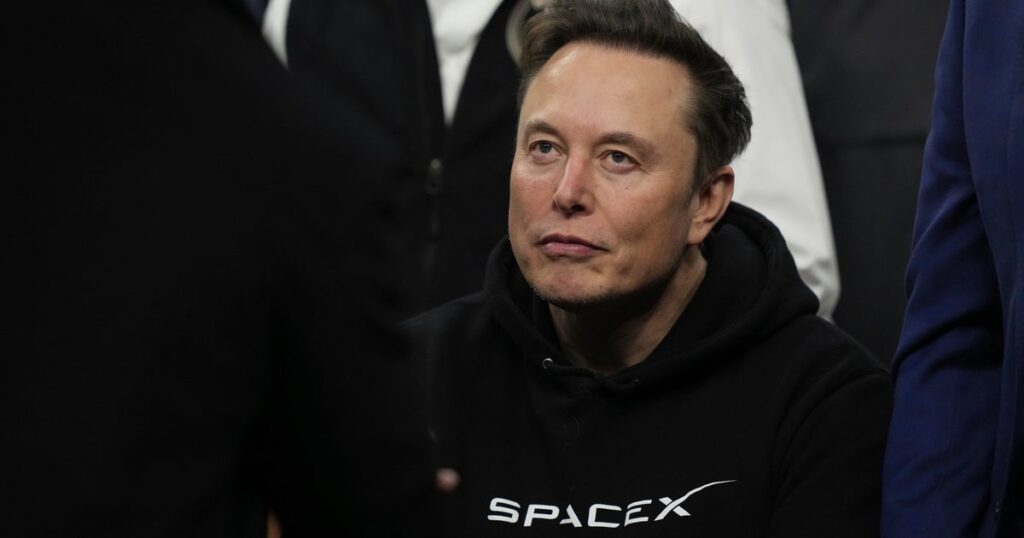
Elon Musk has announced plans to hold a rally in Wisconsin, where he will distribute $2 million to two voters who have already participated in the state's Supreme Court election, despite state laws prohibiting offering anything of value in exchange for voting. This move has drawn significant attention and scrutiny, especially given Musk's prior financial contributions to the conservative candidate in the race. As the election nears, Musk's involvement underscores the influence of high-profile figures in state elections and raises questions about the intersection of wealth, politics, and legal boundaries.
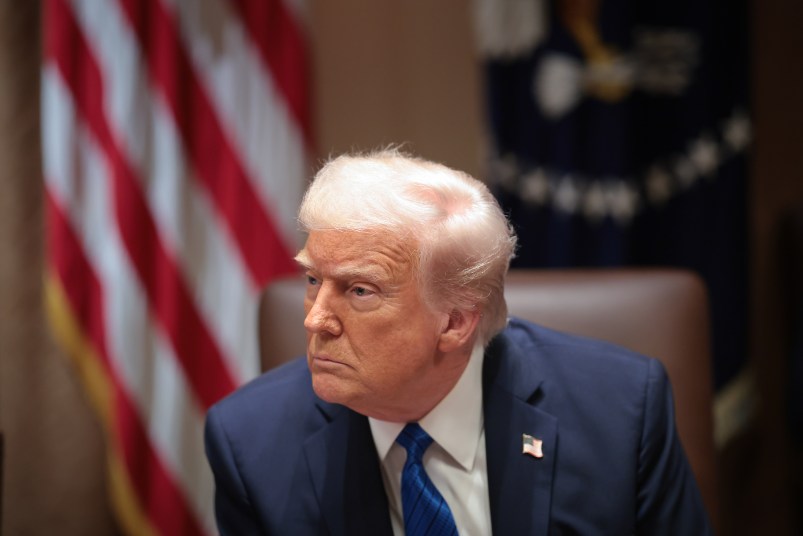
The Justice Department has requested emergency intervention from the Supreme Court after a federal appeals court in Washington blocked the deportation of individuals suspected to be members of the Tren de Aragua gang to El Salvador, a move initially pursued under the Trump administration using the wartime Alien Enemies Act. This legal conflict, which involves U.S. District Judge James Boasberg deliberating on potential contempt of court by the administration, highlights the ongoing tension between the executive branch and the judiciary over immigration policies and the use of wartime authority. The split decision by the appeals court, with Judges Karen Henderson and Patricia Millett in the majority and Judge Justin Walker dissenting, underscores differing judicial perspectives on national security and immigration enforcement, with Acting Solicitor General Sarah Harris noting the case's potential impact on the separation of powers.