Press "Enter" to skip to content

Posts tagged as “the Strait of Hormuz”
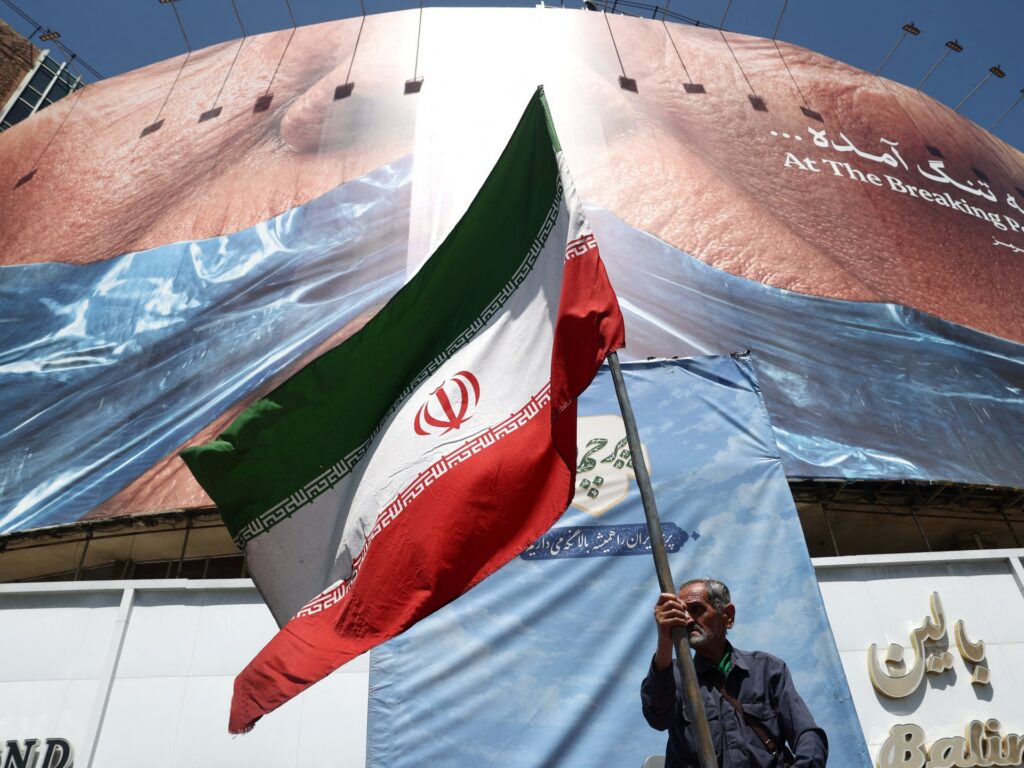
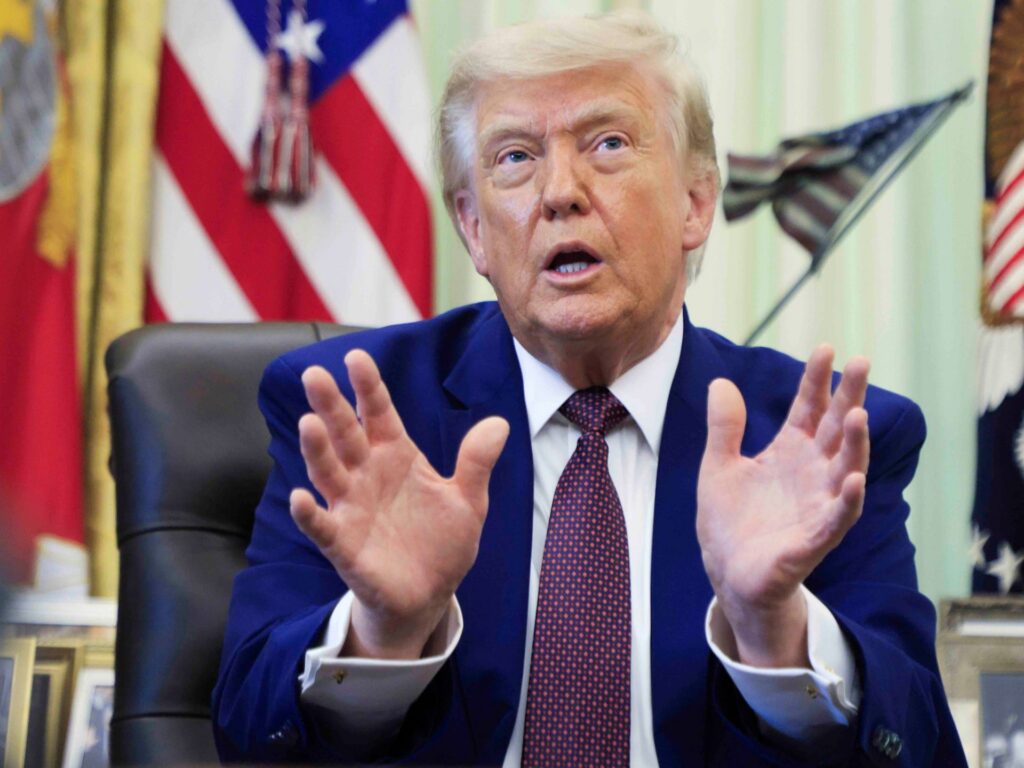
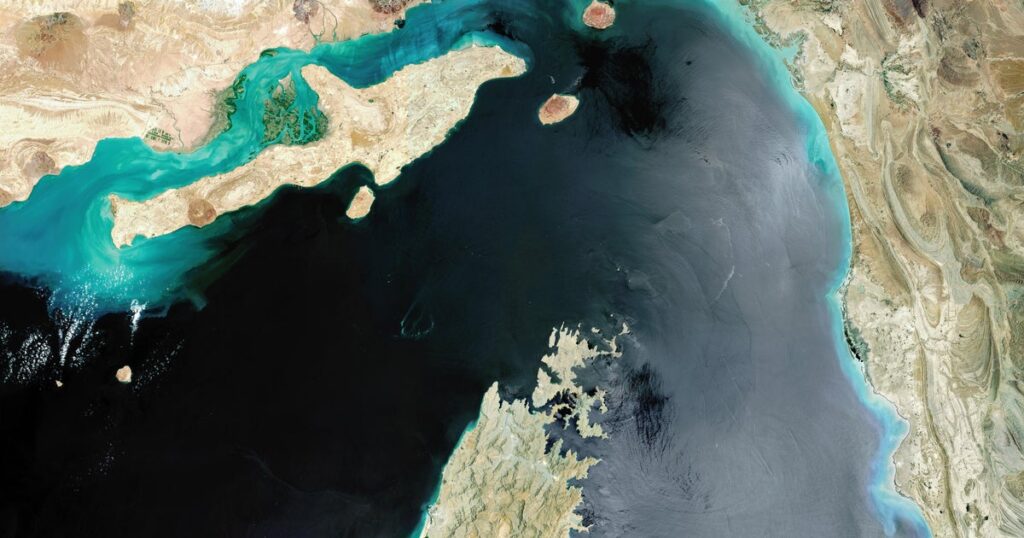
Trump Urges International Naval Patrols in Strait of Hormuz Amid Rising Tensions, Allies Respond Cautiously

U.S. President Donald Trump has called on allied and rival nations to jointly patrol the Strait of Hormuz to secure the vital oil shipping route amid escalating tensions, but countries like Japan, France, China, the UK, and South Korea have responded cautiously without committing to military involvement. Iran maintains its stance of self-defense, denying closure of the strait and blaming U.S. actions for the insecurity, while allowing some vessels safe passage. Experts warn that even a multinational naval presence may not ensure security due to the strait’s narrowness and asymmetric threats, suggesting that diplomatic solutions may be more effective than military intervention.

Trump Administration Seeks $50 Billion Emergency Funding Amid Legal Debate Over Iran Military Actions and Congressional Authority

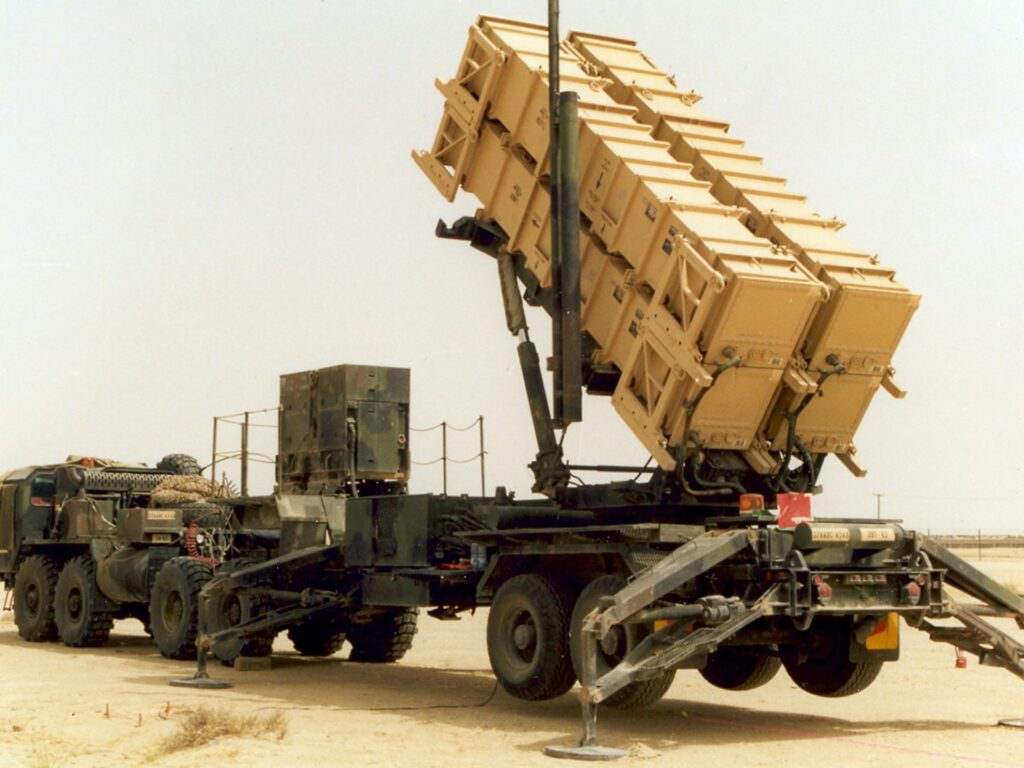
The ongoing U.S.-Iran conflict has sparked legal and political debates over the Trump administration’s military actions without explicit congressional authorization, with plans to request up to $50 billion in emergency supplemental funding that some view as retroactive approval. While the Department of Defense has existing funds for missile defense and munitions, questions remain about the necessity of additional emergency appropriations, as Congress holds significant power over military funding. Meanwhile, escalating military strikes, Iran’s refusal to negotiate, and rising domestic economic and security concerns underscore the complex geopolitical and domestic ramifications of the conflict.

US Strikes Military Targets on Iran’s Kharg Island, Sparing Oil Facilities Amid Rising Gulf Tensions

Kharg Island, a vital hub for Iran’s oil exports located near the Strait of Hormuz, has recently been targeted by U.S. military strikes aimed at disabling military sites while sparing energy infrastructure to avoid disrupting global oil supplies. President Trump emphasized that any negotiation with Iran would require the country to abandon its nuclear ambitions and highlighted ongoing international efforts to secure the Strait of Hormuz amid escalating regional tensions. The conflict continues to heighten instability in the Gulf, with Iran threatening to close the strategic shipping lane and the U.S. coordinating with allies to maintain open passage.

Trump Administration Weighs Military Escort for Oil Tankers in Strait of Hormuz Amid Rising Iranian Drone Attacks and Regional Tensions

The Trump administration is considering a military operation to escort oil tankers through the Strait of Hormuz following a series of attacks on vessels in the Persian Gulf, which have disrupted global oil shipments and driven up prices. The proposed operation involves neutralizing Iranian threats through strikes on missile and drone facilities before providing convoy protection with U.S. Navy ships and international partners, amid ongoing drone attacks by Iran targeting U.S. bases and regional infrastructure. As the conflict escalates, the U.S. and allies are working to secure critical maritime routes and counter Iran’s advanced drone warfare capabilities in a highly volatile environment.

Pentagon Updates on US-Iran Conflict: Significant Reduction in Iranian Missiles Amid Ongoing Strikes and Rising Global Oil Prices

The Pentagon provided updates on the U.S.-Iran conflict, reporting a significant reduction in Iran’s missile capabilities and ongoing investigations into a recent U.S. tanker crash in Iraq. Despite extensive U.S. strikes on Iranian targets, Iranian attacks continue, impacting global oil prices and prompting temporary easing of sanctions on Russian oil to stabilize markets. Public opinion remains divided over the conflict, with mixed messaging from U.S. officials and Iran asserting its intent to control the Strait of Hormuz and sustain attacks in the region.

US Temporarily Eases Sanctions on Russian Oil to Stabilize Global Energy Markets Amid Middle East Conflicts

The United States has temporarily eased sanctions on Russian oil, allowing the purchase of petroleum products already loaded onto ships before the announcement, aiming to ease global energy market disruptions caused by conflicts in the Middle East. Treasury Secretary Scott Bessent emphasized the measure is narrowly tailored to avoid benefiting Russia financially and to increase existing supply amid restricted shipping through the Strait of Hormuz. While Russia welcomed the move as stabilizing global markets, European governments and some U.S. lawmakers criticized it for potentially strengthening Russia’s position and undermining sanctions related to the Ukraine conflict.

U.S. and Allies Face Escalating Middle East Conflict as Iran Tensions Intensify Amid Military Strikes and Diplomatic Turmoil

The conflict involving Iran in the Middle East has intensified over nearly two weeks, marked by a tragic U.S. military aircraft crash in Iraq, persistent Iranian drone and missile attacks on Gulf allies, and rising tensions fueled by President Trump’s aggressive rhetoric. These attacks have disrupted critical shipping routes like the Strait of Hormuz, prompting discussions of U.S. naval escorts to protect oil tankers amid soaring global energy prices. Meanwhile, Iran’s internal crackdown on protests and calls from international leaders for regime change highlight the multifaceted and volatile nature of the ongoing crisis.

Oil Prices Surge Above $100 Amid Middle East Conflict, Triggering Global Market Turmoil and Strategic Energy Responses

Oil prices surged sharply amid escalating conflict involving the U.S., Israel, and Iran, with Brent crude surpassing $100 per barrel due to disruptions in the critical Strait of Hormuz and attacks on oil infrastructure across the Gulf region. The crisis has led to significant economic impacts, including declines in U.S. stock markets, production shutdowns by major energy companies, and government measures such as fuel rationing in India and potential U.S. policy changes like a temporary Jones Act waiver and strategic oil reserve releases. Meanwhile, military actions have intensified, causing substantial casualties and prompting international efforts to address the escalating threats to global energy supplies and maritime security.

We've updated the design to something a little more modern.  Got an opinion?  Let us know!