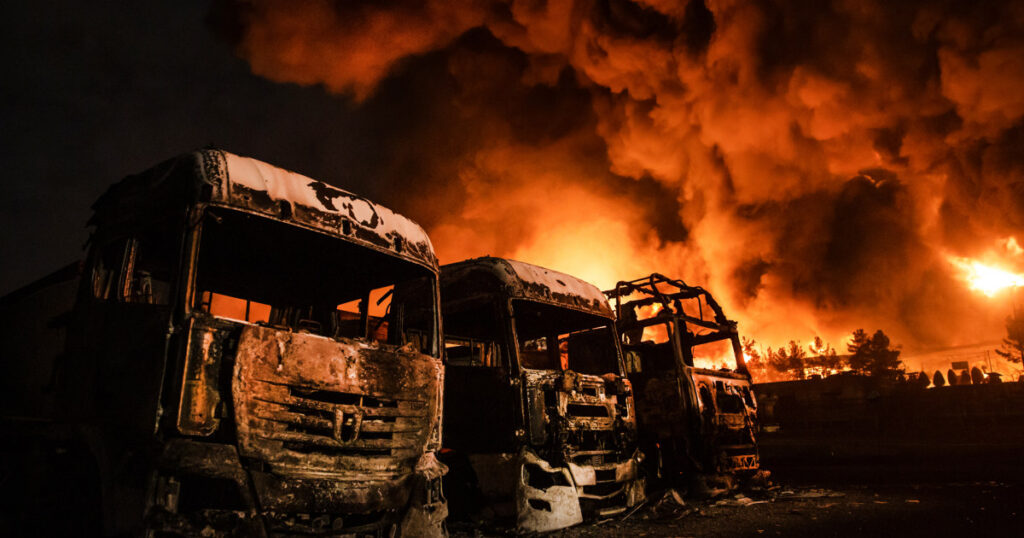
A series of Israeli airstrikes on Tehran’s oil facilities caused severe environmental hazards, including toxic rain and widespread damage, escalating tensions in the U.S.-Israeli conflict with Iran. The attacks led to a sharp rise in global oil prices due to disrupted supply and heightened concerns over the Strait of Hormuz, while Iranian officials condemned the strikes as chemical warfare. Despite the turmoil, U.S. President Donald Trump expressed confidence in a swift resolution, warning Iran of harsher consequences if it threatened oil shipments.
Posts tagged as “the “Riviera of the Middle East”
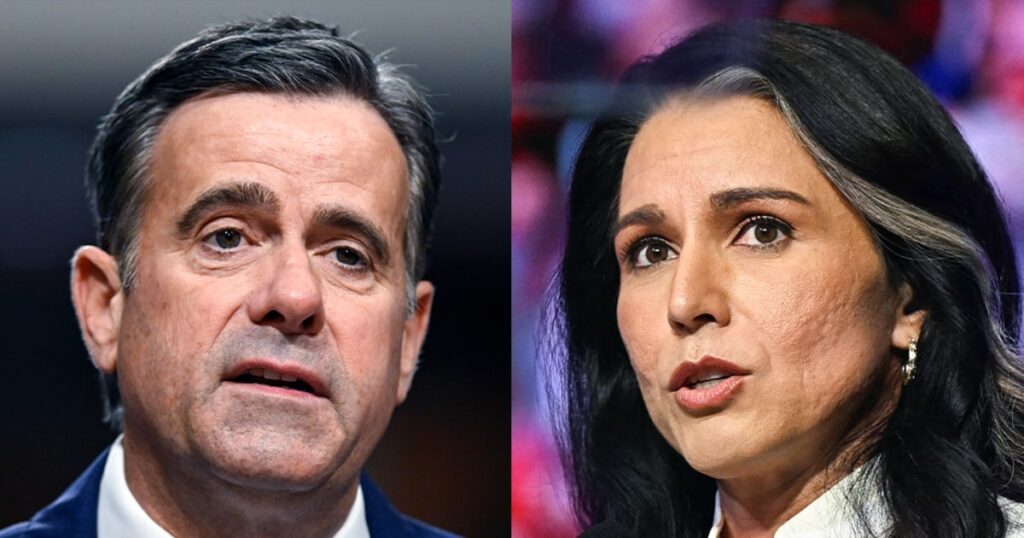
A recent incident involving the use of the messaging app Signal by senior officials from the Trump administration has raised concerns about the handling of sensitive information, as a group chat discussing U.S. military plans inadvertently included a journalist. Despite the potential security risks highlighted by this mishap, top intelligence officials assured that no classified materials were shared and downplayed the significance of the incident during a Senate Intelligence Committee hearing. The situation has sparked a broader discussion about the administration's communication practices and the importance of secure channels, especially in light of reported attempts by Russia to compromise Signal.
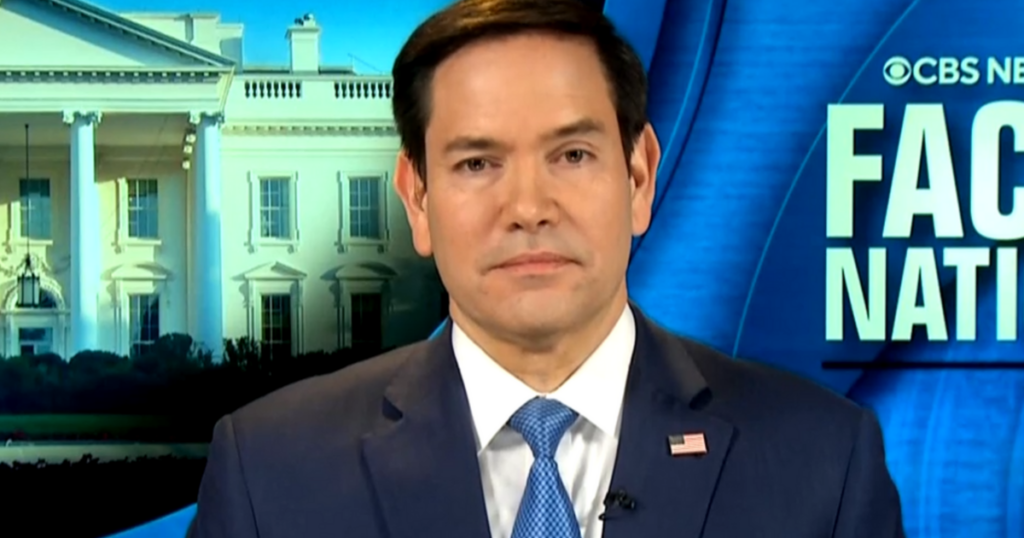
In a recent interview, National Security Adviser Mike Waltz highlighted the U.S. administration's stance that "all options are always on the table" regarding military action against Iran, emphasizing Iran's support for militant groups like the Houthis, Hezbollah, and Hamas. The strategic importance of the Red Sea as a vital shipping route was underscored, with concerns over security due to threats from Iran-backed groups. Secretary of State Marco Rubio and President Donald Trump both reiterated the U.S. commitment to countering Iranian influence and ensuring the safety of global shipping lanes, reflecting a broader strategy to address regional tensions and protect international trade.
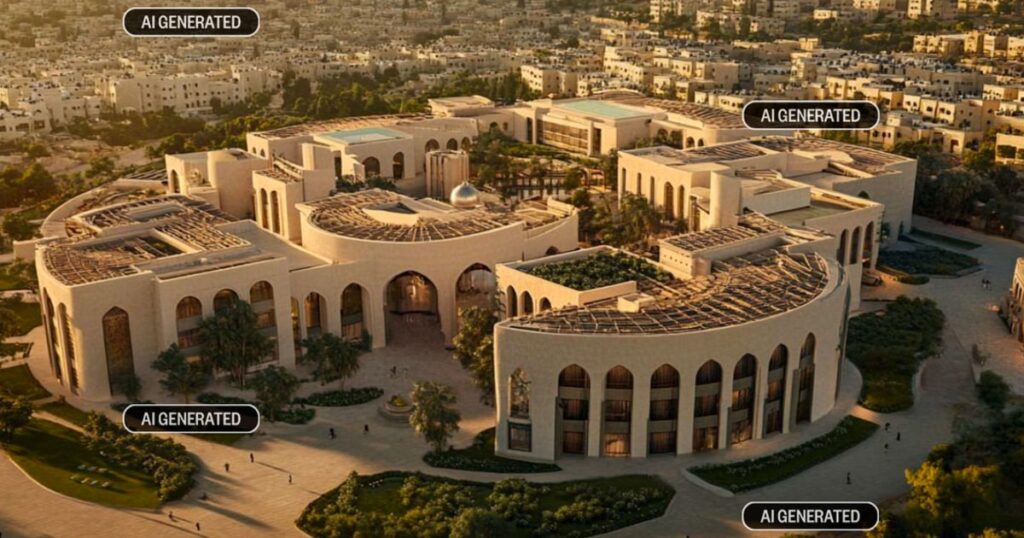
At an emergency summit in Cairo, Arab nations, led by Egypt, proposed a $53 billion plan to reconstruct the Gaza Strip, aiming to rebuild the area without displacing its over 2 million Palestinian residents. This plan, supported by the Arab League, contrasts sharply with a controversial suggestion by former U.S. President Donald Trump, which involved transforming Gaza into a luxury real estate development by displacing its current population. However, the proposal has been rejected by both the United States and Israel, who argue that Gaza is uninhabitable and support Trump's vision of redevelopment, highlighting the ongoing complexities and differing perspectives on addressing the region's challenges.