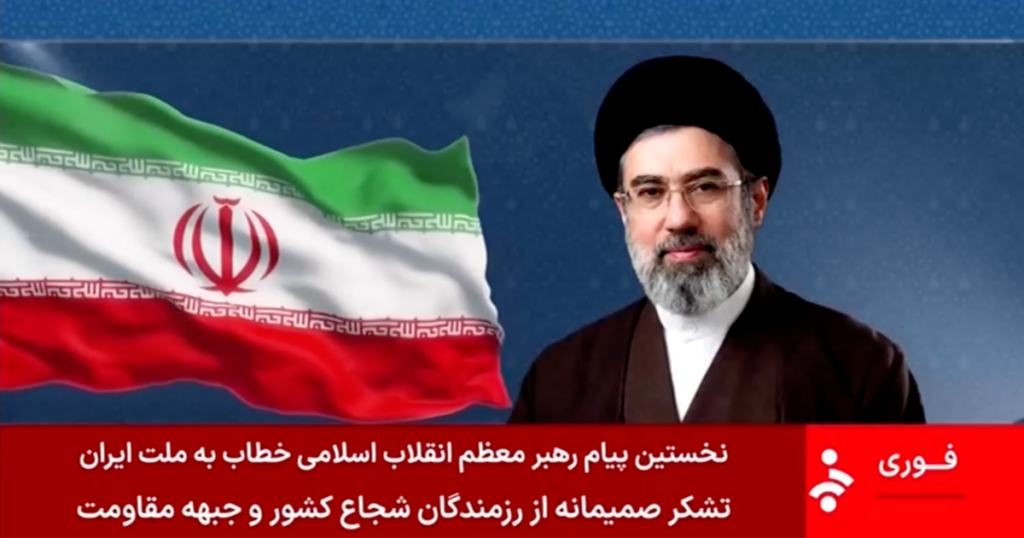
Iran’s newly appointed Supreme Leader, Ayatollah Mojtaba Khamenei, issued his first public statement reaffirming the blockade of the Strait of Hormuz and threatening attacks on neighboring countries hosting U.S. military bases. His statement was delivered without a direct appearance, fueling speculation about his health after being injured in recent U.S.-Israeli strikes, and signaling a hardline stance with continued support for proxy groups across the Middle East. Khamenei vowed revenge for Iranian casualties in the strikes and emphasized Iran’s commitment to disrupting global oil transit while expressing a desire for constructive regional relations.
Posts tagged as “the “Riviera of the Middle East”

Inflation in the United States remained steady in February, with the Consumer Price Index rising 2.4% annually, slightly below expectations, before the recent surge in oil prices caused by the Iran conflict. The war has sharply increased gasoline prices and disrupted global oil supply via the Strait of Hormuz, raising concerns that energy cost spikes could reverse progress in controlling inflation. As the Federal Reserve prepares for its March interest rate decision, economic uncertainties—including weakening job growth and inflation risks—have led analysts to anticipate a cautious approach amid heightened uncertainty.
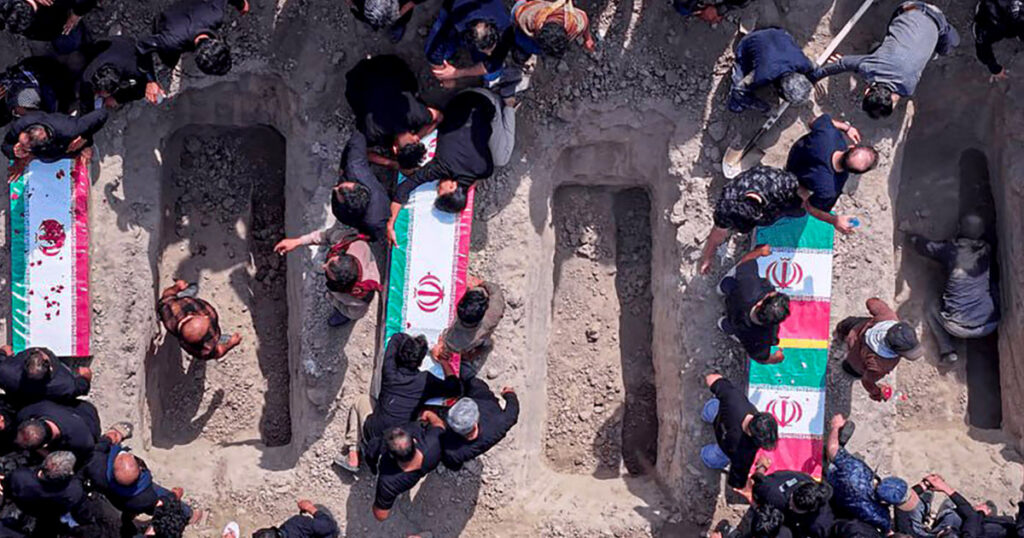
An internal U.S. military investigation preliminarily found that outdated intelligence led to a missile strike on an elementary school in Iran, killing over 170 civilians, mostly children, during a coordinated U.S.-Israeli operation. The strike mistakenly targeted the school, which had been inaccurately identified as a military site based on old intelligence, with evidence pointing to an American Tomahawk missile. Meanwhile, Iran retaliated with attacks killing six U.S. Army Reserve soldiers in Kuwait, escalating the ongoing conflict that the U.S. administration expects to continue for several weeks.
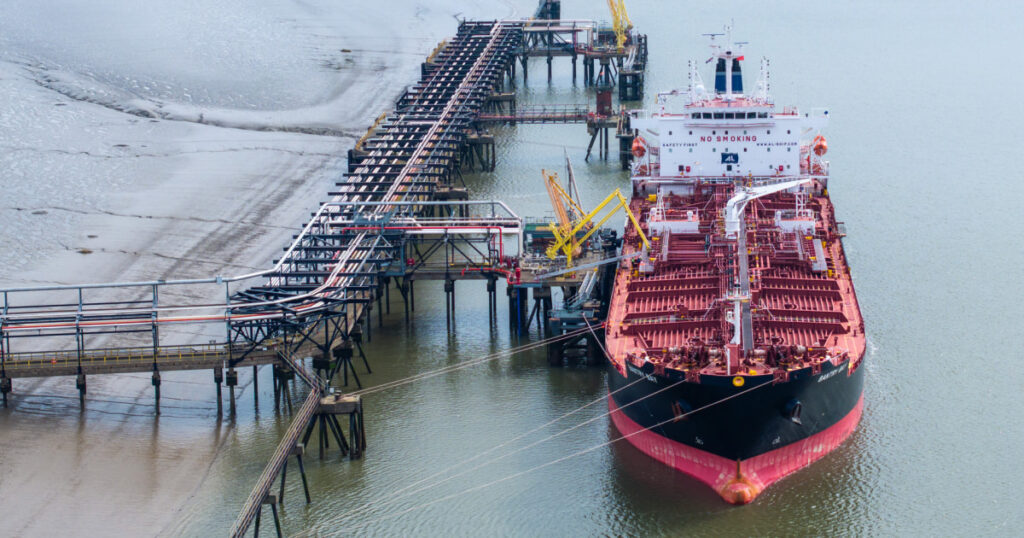
The International Energy Agency (IEA) announced a historic release of 400 million barrels of oil from emergency reserves to counter soaring energy prices caused by the closure of the Strait of Hormuz amid tensions with Iran. This unprecedented collective action by 32 member countries aims to mitigate significant supply disruptions, though analysts warn it may only provide limited short-term relief given the scale of the deficit and logistical delays. The situation remains volatile, with sustained price stability dependent on reopening the crucial maritime route and securing long-term energy supply solutions.

The conflict between the United States, Israel, and Iran has escalated with attacks on commercial ships near the Strait of Hormuz, drone strikes on Dubai’s airport, and significant U.S. military casualties, while diplomatic tensions rise as Spain withdraws its ambassador from Israel. A devastating missile strike on an elementary school in southern Iran, reportedly caused by a U.S. missile, has resulted in over 165 deaths and prompted calls for an international investigation into potential war crimes. The situation underscores the growing human toll and the broader geopolitical and legal ramifications of the ongoing hostilities in the Middle East.
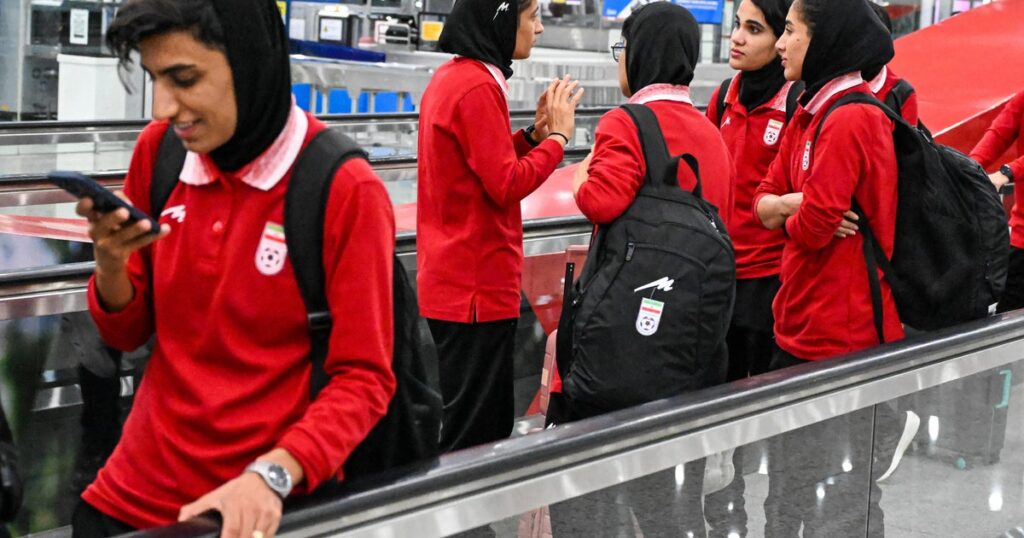
Seven members of the Iranian women's national soccer team were granted humanitarian visas and chose to remain in Australia amid escalating conflict in the Middle East, while the rest of the team returned to Iran after being eliminated from the Asian Women’s Cup. The situation sparked international attention, with concerns over the players' safety, protests in Australia, and criticism from figures like former U.S. President Donald Trump, contrasted by Iranian officials denying any danger and accusing Australia of interfering. The Asian Football Confederation confirmed the team’s relocation to Malaysia and pledged support during their stay.
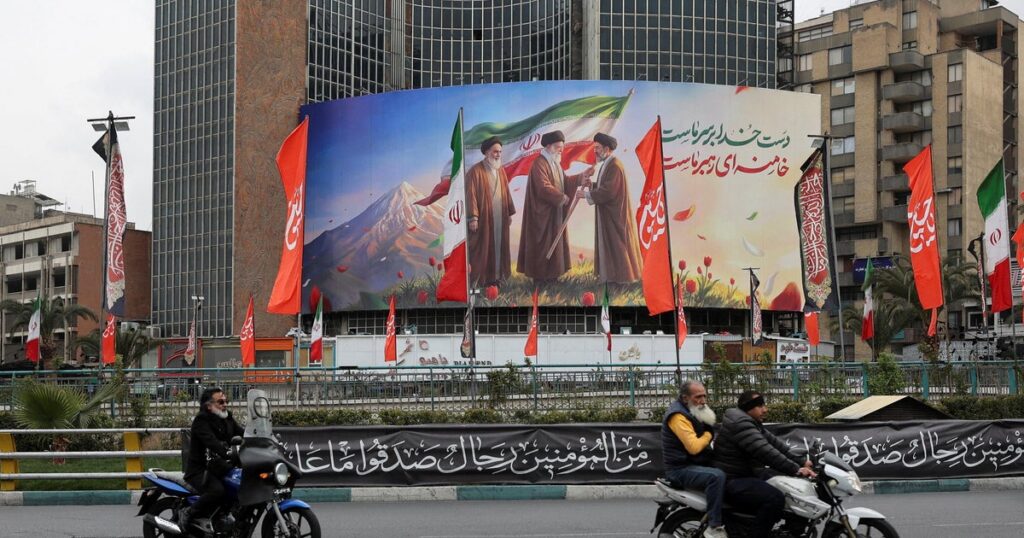
Oil prices have surged due to the escalating Middle East conflict, which has disrupted shipping through the strategic Strait of Hormuz and drawn significant military attention from the U.S. and its allies. Russia has emerged as a key beneficiary of rising energy prices, potentially increasing its oil revenues and military spending amid the ongoing Ukraine war. Meanwhile, the conflict intensifies with attacks on Gulf countries, heightened regional military deployments, and diplomatic efforts to support affected nations and maintain global energy security.
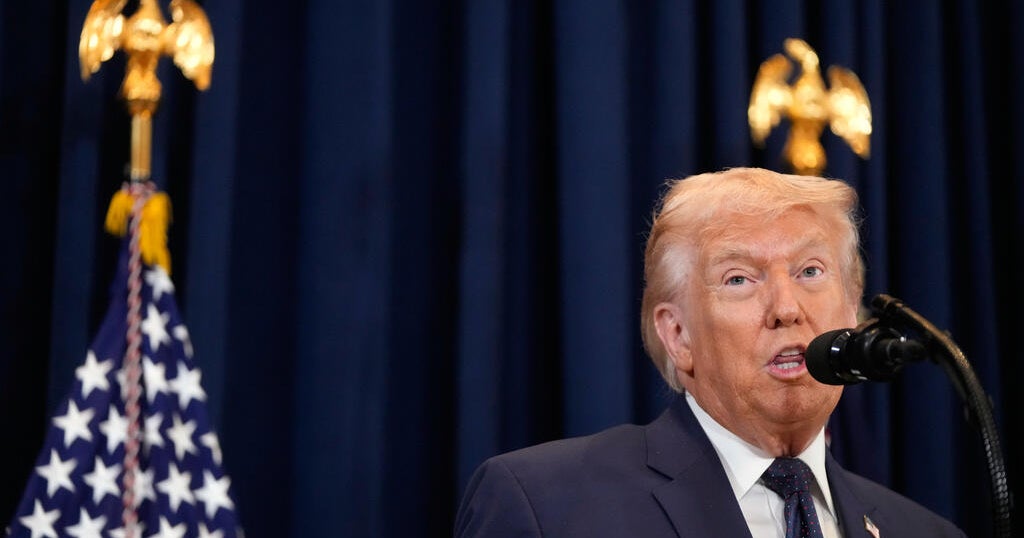
President Trump expressed optimism about the U.S. military's progress in Iran, claiming significant advances while acknowledging some targets remain and anticipating a swift end to the conflict. He criticized the appointment of Mojtaba Khamenei as Iran’s new leader but preferred internal political change over direct U.S. intervention, citing past destabilization in Iraq and referencing Venezuela as a model. Trump also addressed a recent deadly bombing in Iran likely caused unintentionally by U.S. forces, warned Iran against disrupting oil shipments through the Strait of Hormuz, and noted that American casualties have reinforced calls to "finish the job."