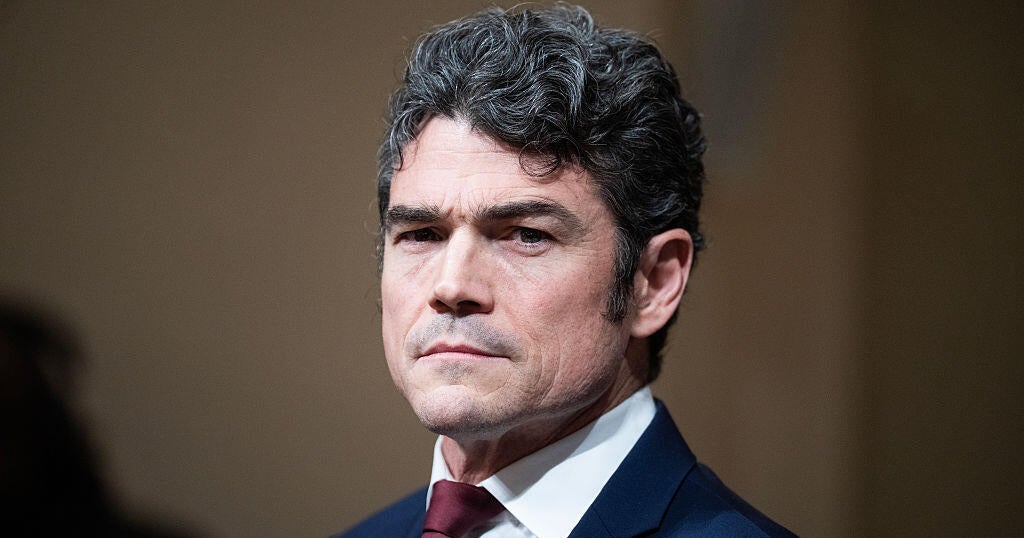
Joe Kent, director of the National Counterterrorism Center and a retired Green Beret, resigned abruptly in protest of the U.S. war in Iran, arguing that Iran posed no imminent threat and that the conflict was driven by pressure from Israel and its American lobby. His departure marks the most high-profile resignation within the Trump administration over the Iran conflict and highlights internal dissent regarding U.S. military intervention in the Middle East. Kent’s stance aligns with other critics of the war, such as intelligence director Tulsi Gabbard, and underscores ongoing tensions about foreign policy direction within the administration.
Posts tagged as “the “Riviera of the Middle East”
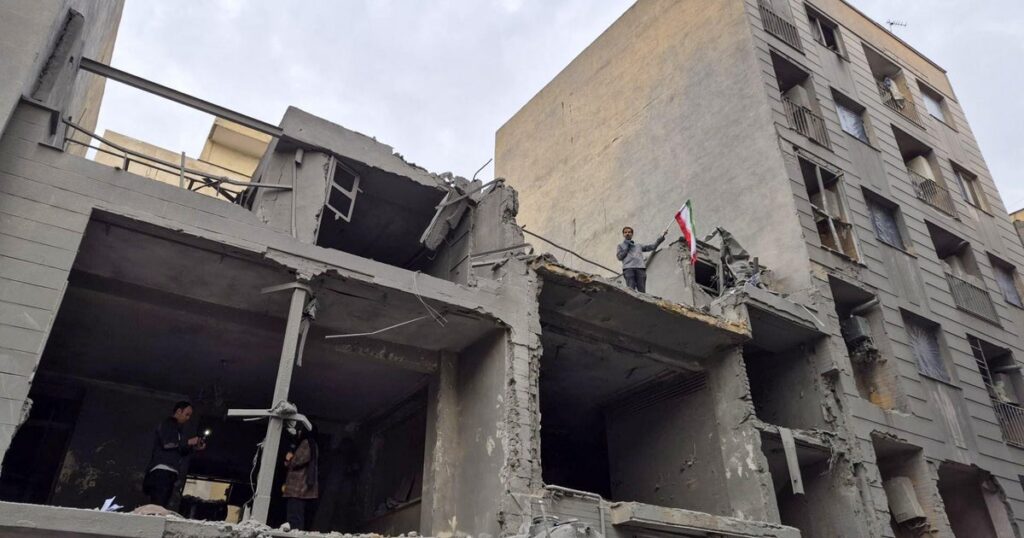
Tensions in the Middle East have intensified following Israeli strikes that killed senior Iranian officials, prompting Iranian missile and drone retaliations primarily targeting the UAE and escalating violence in Lebanon involving Hezbollah. The conflict has caused significant civilian casualties and infrastructure damage, drawing international concern and calls for negotiated peace, while also disrupting global energy markets and raising oil prices. Meanwhile, diplomatic efforts, including a planned U.S.-China summit, face uncertainty as the conflict diverts attention and complicates international relations.
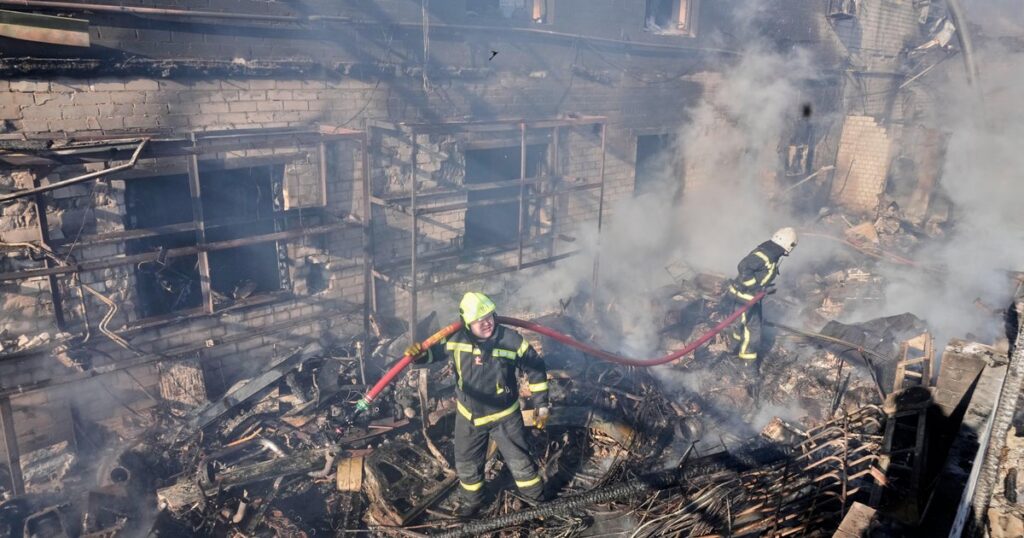
Ukrainian President Volodymyr Zelenskyy is ready to resume trilateral peace talks with Russia and the U.S., but the timing and location hinge on an agreement between Washington and Moscow, with recent talks postponed due to the Middle East conflict. Ukraine is also leveraging its extensive drone warfare expertise, developed through years of combat against Russian attacks, to assist other countries facing similar threats, while urgently seeking additional air defense systems amid concerns over depleted stockpiles. Meanwhile, regional tensions rise as Iran warns Ukraine against involvement in Middle Eastern drone conflicts, complicating Kyiv’s diplomatic and military efforts.

The latest episode of "CBS News Sunday Morning," airing March 15, explores Hollywood's history and future through interviews with industry figures and highlights the preservation of Chaplin Studios by John Mayer and McG. It also features a segment on the Oscar-nominated documentary "Mr. Nobody Against Putin," which exposes Kremlin propaganda, and reflects on the 1979 Iran hostage crisis with Ted Koppel. Additionally, the episode touches on upcoming Oscars coverage and reveals details of a defamation lawsuit involving actress Rebel Wilson and several producers.
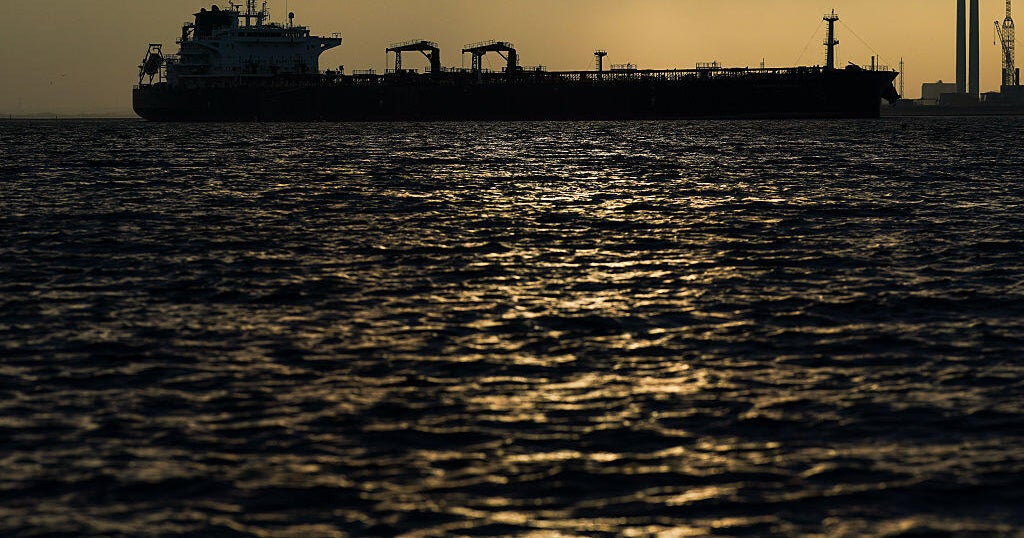
The United States has temporarily eased sanctions on Russian oil, allowing the purchase of petroleum products already loaded onto ships before the announcement, aiming to ease global energy market disruptions caused by conflicts in the Middle East. Treasury Secretary Scott Bessent emphasized the measure is narrowly tailored to avoid benefiting Russia financially and to increase existing supply amid restricted shipping through the Strait of Hormuz. While Russia welcomed the move as stabilizing global markets, European governments and some U.S. lawmakers criticized it for potentially strengthening Russia’s position and undermining sanctions related to the Ukraine conflict.
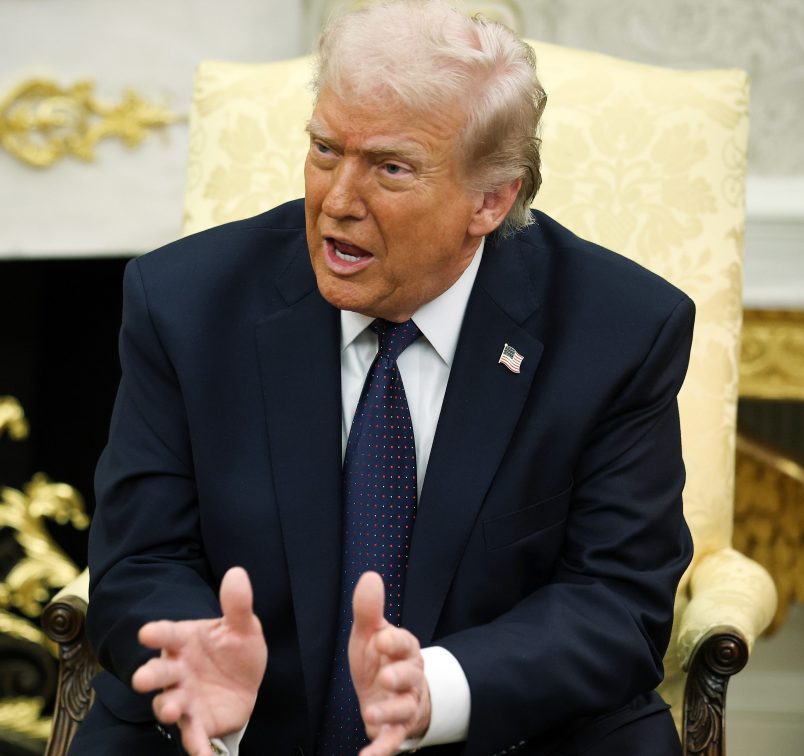
The conflict involving Iran in the Middle East has intensified over nearly two weeks, marked by a tragic U.S. military aircraft crash in Iraq, persistent Iranian drone and missile attacks on Gulf allies, and rising tensions fueled by President Trump’s aggressive rhetoric. These attacks have disrupted critical shipping routes like the Strait of Hormuz, prompting discussions of U.S. naval escorts to protect oil tankers amid soaring global energy prices. Meanwhile, Iran’s internal crackdown on protests and calls from international leaders for regime change highlight the multifaceted and volatile nature of the ongoing crisis.
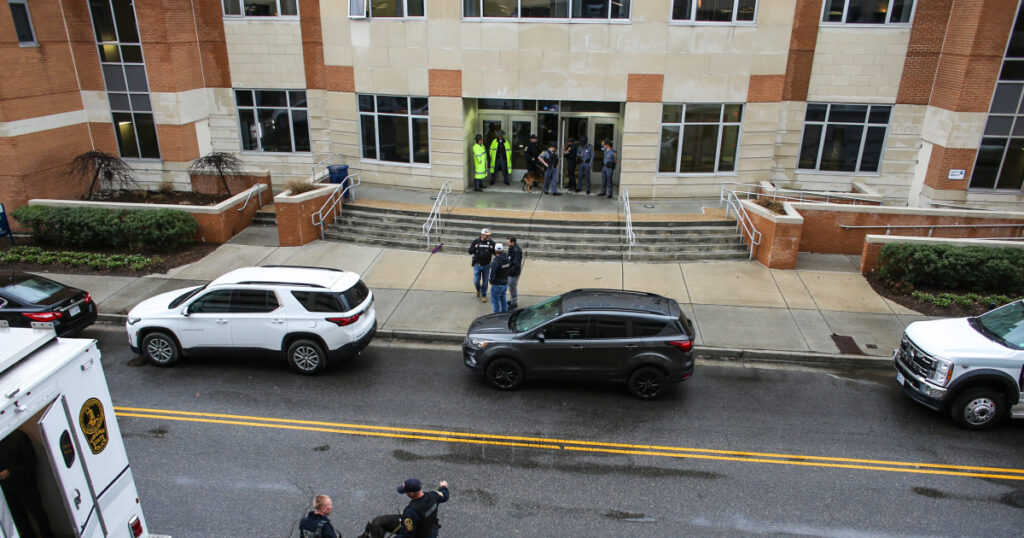
A shooting at Old Dominion University’s College of Business classroom, carried out by Mohamed Bailor Jalloh, a former Virginia National Guardsman with a history of terrorism-related offenses, resulted in the death of Army ROTC instructor Lt. Col. Brandon A. Shah and injuries to two others. ROTC students subdued the gunman with a knife, preventing further casualties, and the FBI has classified the attack as an act of terrorism. Authorities continue to investigate the incident, while Virginia officials have honored the victims and praised the bravery of those who intervened.
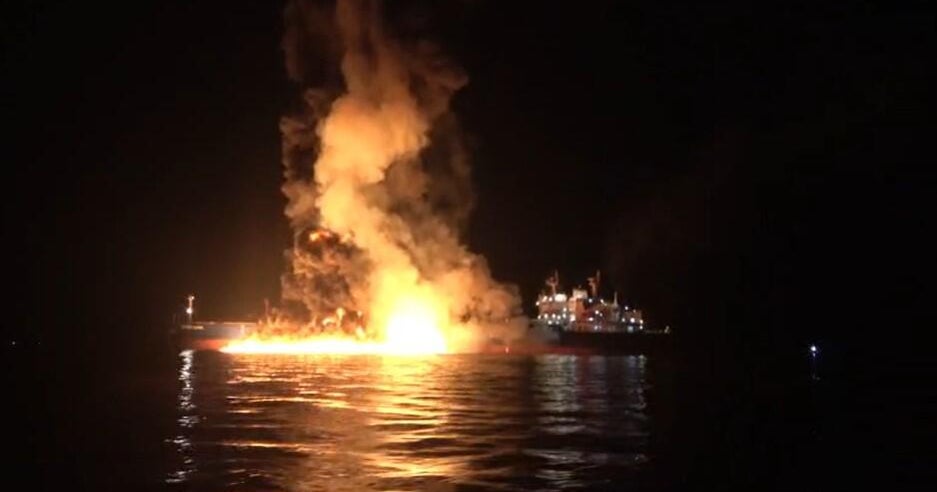
Oil prices surged sharply amid escalating conflict involving the U.S., Israel, and Iran, with Brent crude surpassing $100 per barrel due to disruptions in the critical Strait of Hormuz and attacks on oil infrastructure across the Gulf region. The crisis has led to significant economic impacts, including declines in U.S. stock markets, production shutdowns by major energy companies, and government measures such as fuel rationing in India and potential U.S. policy changes like a temporary Jones Act waiver and strategic oil reserve releases. Meanwhile, military actions have intensified, causing substantial casualties and prompting international efforts to address the escalating threats to global energy supplies and maritime security.