Three firefighters were killed and two others injured in a burnover incident while responding to fires along the Colorado-Utah border. Extreme heat, wind and drought have fueled major blazes across the West, including Utah’s uncontained Cottonwood Fire.
Posts tagged as “the National Oceanic and Atmospheric Administration’s”
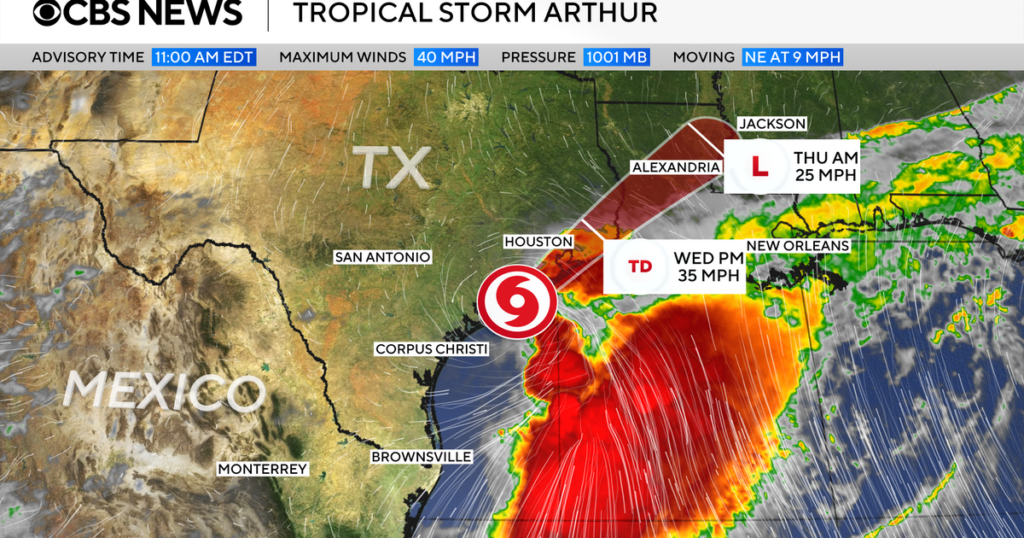
Tropical Storm Arthur formed off the Texas Gulf Coast with 40 mph winds, becoming the first named storm of the Atlantic hurricane season. Forecasters warned of life-threatening flooding, storm surge and dangerous surf from Texas into the Southeast.

A meteor fragmented over northeastern Massachusetts Saturday afternoon, causing a sonic boom and tremors. NASA confirmed the fireball broke apart at 40 miles altitude, releasing energy equivalent to 300 tons of TNT.
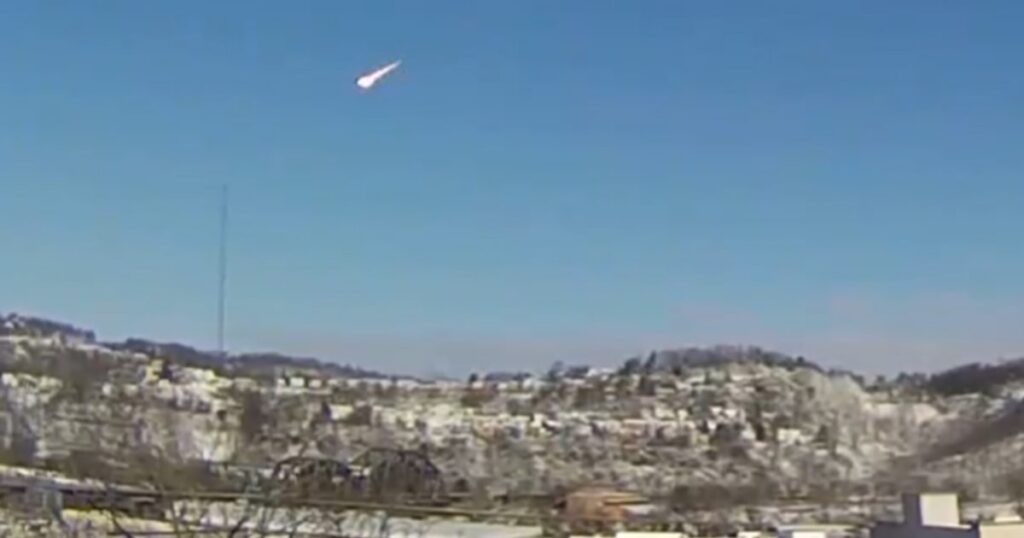
A loud boom heard across northeastern Ohio and parts of Pennsylvania on Tuesday morning was caused by a meteor, according to the National Weather Service (NWS). Witnesses reported a bright fireball streaking across the sky, and satellite imagery detected a green flash consistent with a meteor event over Cleveland. This incident follows recent meteor sightings in Ohio, and authorities continue to monitor and investigate these occurrences.
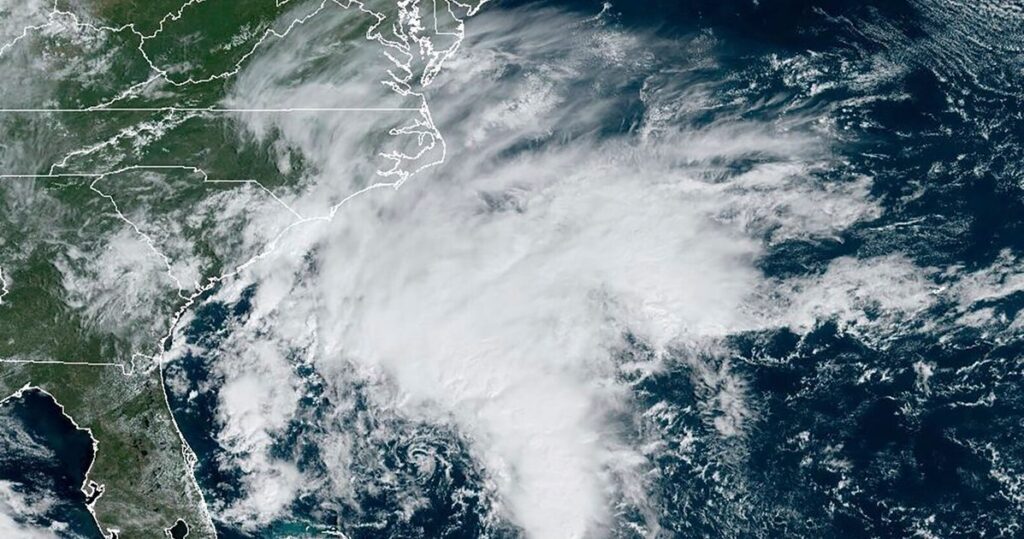
Tropical Storm Ophelia made landfall near Emerald Isle, North Carolina on Saturday, bringing near-hurricane-strength winds and heavy rainfall to parts of the Mid-Atlantic and Central U.S. The National Weather Service has warned of flooding, coastal storm surge and potential tornadoes, urging residents to take necessary precautions.

The NOAA has reported that the US has already experienced more billion-dollar weather disasters in 2023 than in any other year since tracking began, with 253 fatalities and $57.6 billion in damages. Tropical Storm Hilary is among the potential billion-dollar events from 2023 that are still under review, and the NOAA has forecasted an "above normal" hurricane season. The NOAA has urged people to stay informed and take necessary precautions to protect themselves and their property.
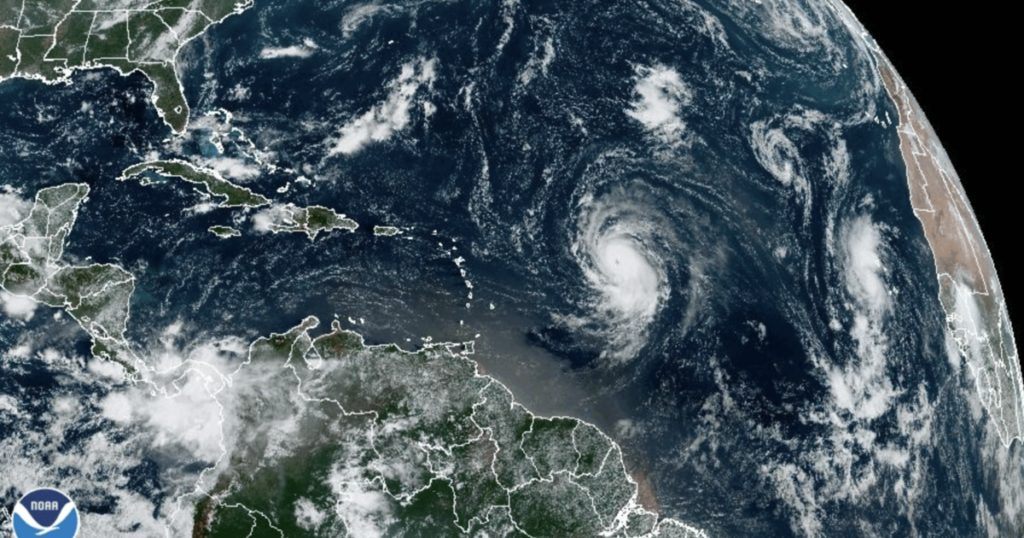
Hurricane Lee has explosively intensified into a Category 5 storm in the central tropical Atlantic Ocean, packing winds of up to 160 miles per hour and expected to remain a major hurricane through early next week. Tropical storm conditions are possible on some islands, although the hurricane is not expected to make landfall. Residents in the Caribbean are advised to monitor the storm and take necessary precautions.
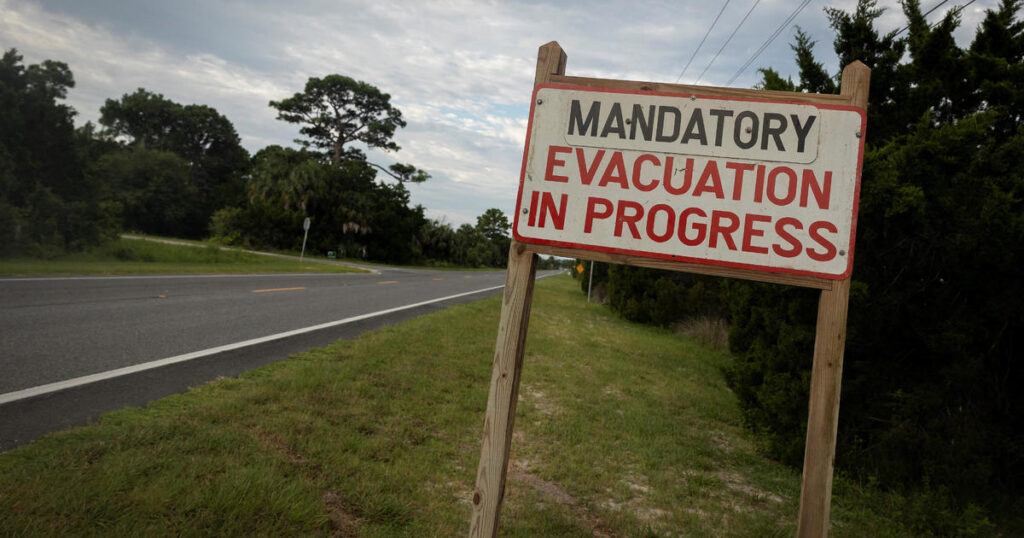
Florida is bracing for the arrival of Hurricane Idalia, a dangerous Category 4 storm that is expected to bring life-threatening storm surges and rainfall. The king tide, a twice-yearly phenomenon caused by the gravitational pull of the moon and sun, could worsen the flooding. Residents in the Big Bend region are urged to take precautions and prepare for the storm, and the Environmental Protection Agency is warning people to be aware of the potential for flooding and to take steps to protect their homes and businesses.