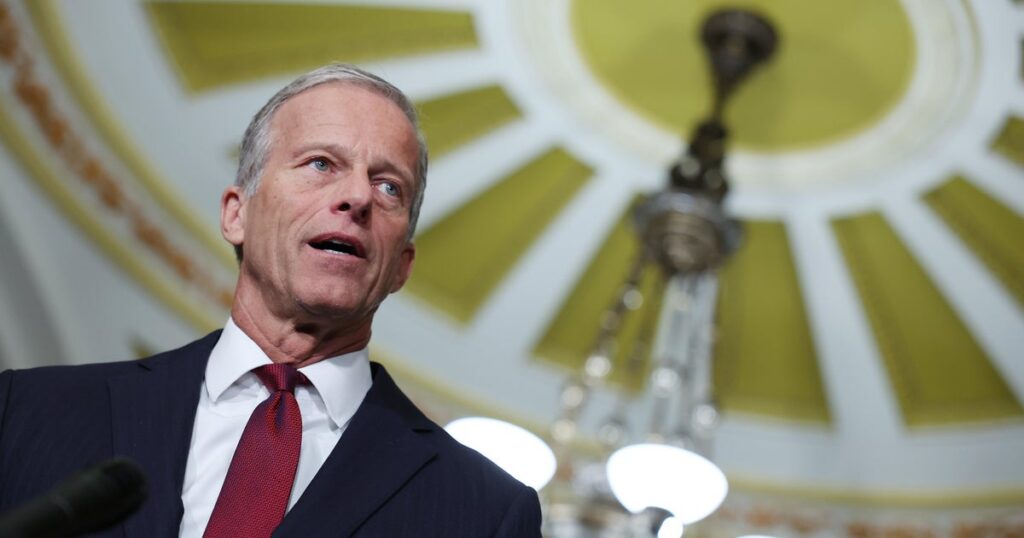
The U.S. Senate remains deadlocked over funding the Department of Homeland Security due to sharp disagreements between Democrats and Republicans on immigration enforcement reforms, resulting in a partial government shutdown lasting nearly a month. Democrats demand reforms such as body cameras and identification for immigration agents following fatal shootings, while Republicans resist these changes and accuse Democrats of stalling negotiations. The impasse has caused operational disruptions, including TSA workers missing paychecks and increased absenteeism, with no clear resolution in sight as both parties continue behind-the-scenes talks amid mounting pressure.
Posts tagged as “’s Democratic Party”
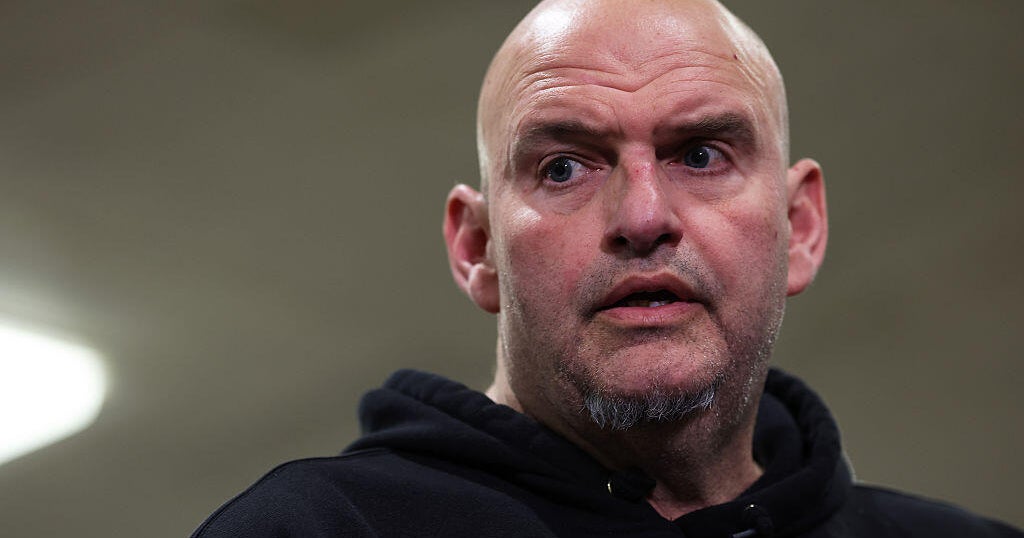
The conflict between the United States, Israel, and Iran has led to significant military casualties, economic costs exceeding $11.3 billion in the first six days, and disruptions to global oil trade through the Strait of Hormuz. Democratic Senator John Fetterman supports the U.S.-Israel military campaign, citing Iran’s limited ability to inflict damage and emphasizing the threat posed by Iran’s nuclear ambitions despite intelligence reports indicating no active nuclear weapon development. Meanwhile, the war’s human toll includes thousands of deaths across the involved nations, and President Trump has expressed uncertainty about the conflict’s duration as the U.S. seeks additional funding to sustain military operations.
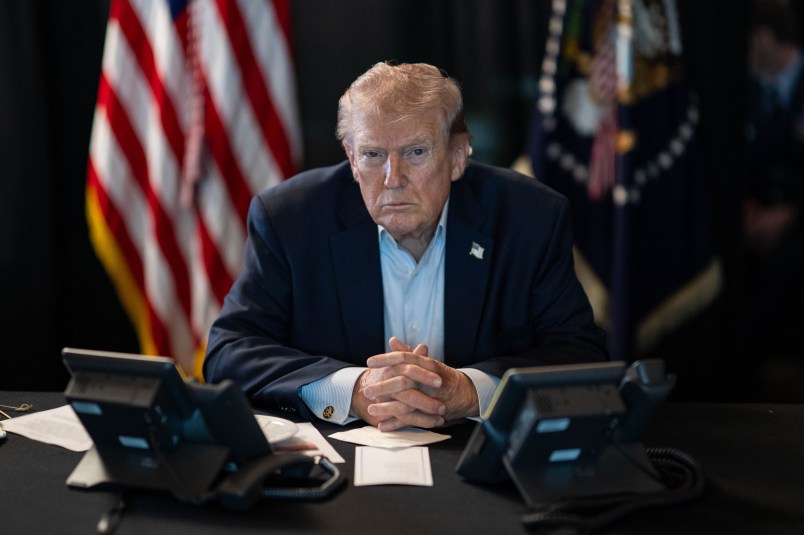
Podcaster Joe Rogan criticized President Trump’s military strikes against Iran, calling the action contradictory to Trump’s campaign promises and questioning the unclear rationale behind the operation. Public opposition to the conflict is widespread, with polls showing a majority of Americans disapprove and even some conservative voices expressing skepticism about the war’s alignment with the “America First” agenda. The administration’s inconsistent messaging has deepened political divisions and eroded support within Trump’s base, raising concerns that continued opposition could pressure the president to reconsider the conflict.
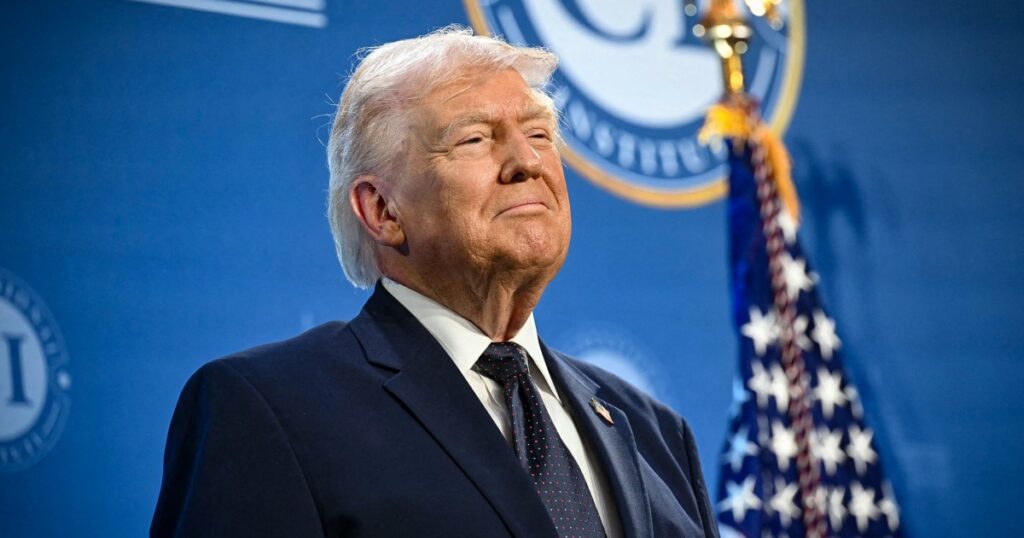
President Donald Trump and his allies are pushing the SAVE America Act, which would impose stricter voter ID and citizenship verification requirements for federal elections, including in-person proof of citizenship and a federal photo ID mandate. While some Republicans support the bill, Democrats and experts warn it could disenfranchise millions of eligible voters, particularly affecting groups with limited access to required documents. The bill faces significant hurdles in the Senate, where it lacks the 60 votes needed to overcome a filibuster, and is widely expected to fail despite Trump’s insistence on its passage.

President Donald Trump is withholding his endorsement in the Texas Republican Senate primary between Sen. John Cornyn and Attorney General Ken Paxton until the controversial SAVE America Act, which imposes stricter voting requirements and includes additional anti-transgender provisions, is passed. This linkage has caused tension within the GOP, with Senate Majority Leader John Thune warning against tying political endorsements to legislative outcomes and expressing doubts about the bill’s prospects. The closely contested primary reflects broader party divisions between establishment figures and the MAGA base, with Trump’s endorsement seen as pivotal to the race’s outcome and the GOP’s 2024 strategy.
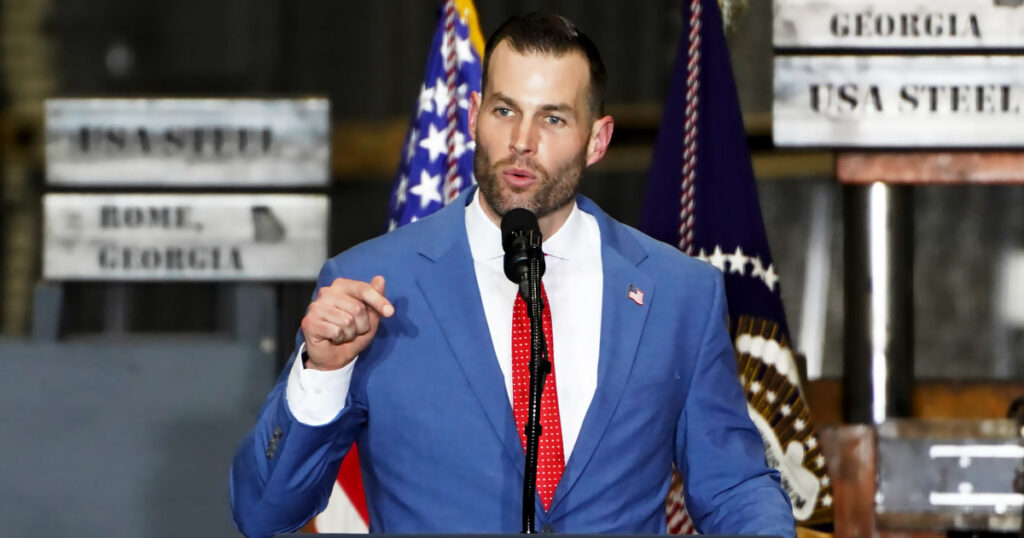
Voters in Georgia's 14th Congressional District are participating in a special election to fill the U.S. House seat vacated by Marjorie Taylor Greene, featuring 17 candidates from multiple parties. The district is a Republican stronghold, with key contenders including Trump-endorsed Republican Clay Fuller and Democrat Shawn Harris, who has raised significant funds and received high-profile endorsements. If no candidate wins a majority, a runoff is scheduled for April 7, with the winner serving a short term before facing another election in May.
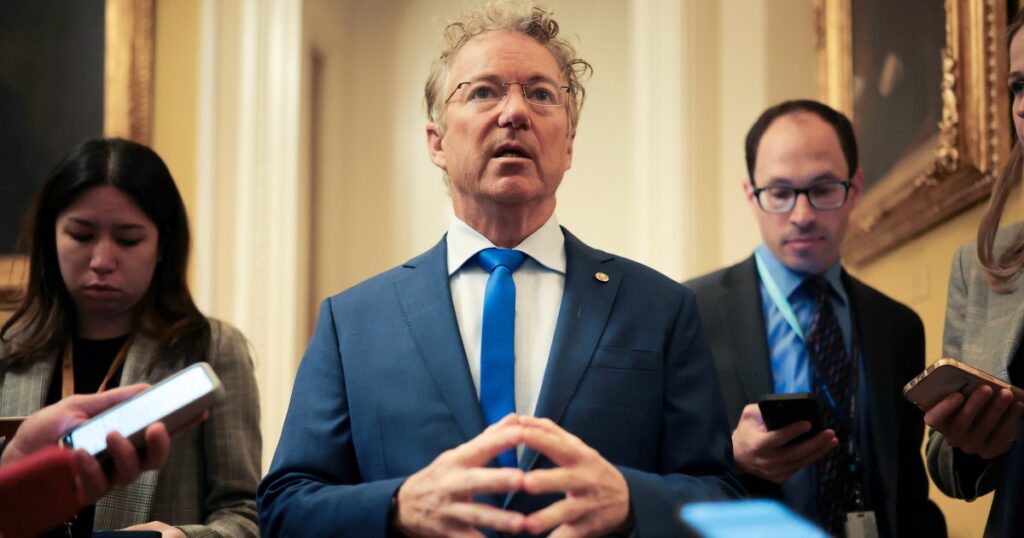
The United States Senate is set to vote on a resolution to block President Trump's "Liberation Day" tariffs, which were imposed under a national emergency declaration. Spearheaded by Senators Ron Wyden and Rand Paul, the bipartisan effort seeks to nullify the tariffs due to concerns about their economic impact, though it faces an uncertain future in the Republican-controlled House of Representatives. The vote highlights the ongoing tension between the executive and legislative branches over trade policy, with significant implications for international trade and the domestic economy.

More than 40 Democratic members of Congress have expressed concerns about Customs and Border Protection (CBP) practices, citing increased denials of entry and reports of harsh questioning and arbitrary detentions. A notable incident involving the deportation of a 2-year-old U.S. citizen to Honduras has intensified scrutiny of the administration's immigration policies, with Homeland Security Secretary Kristi Noem explaining the child's deportation was at the mother's request. As the administration reports a significant decrease in illegal border crossings, incidents like the detention of an American citizen questioning her travel partner's treatment have fueled ongoing debates over border officials' conduct and calls for greater transparency and accountability.