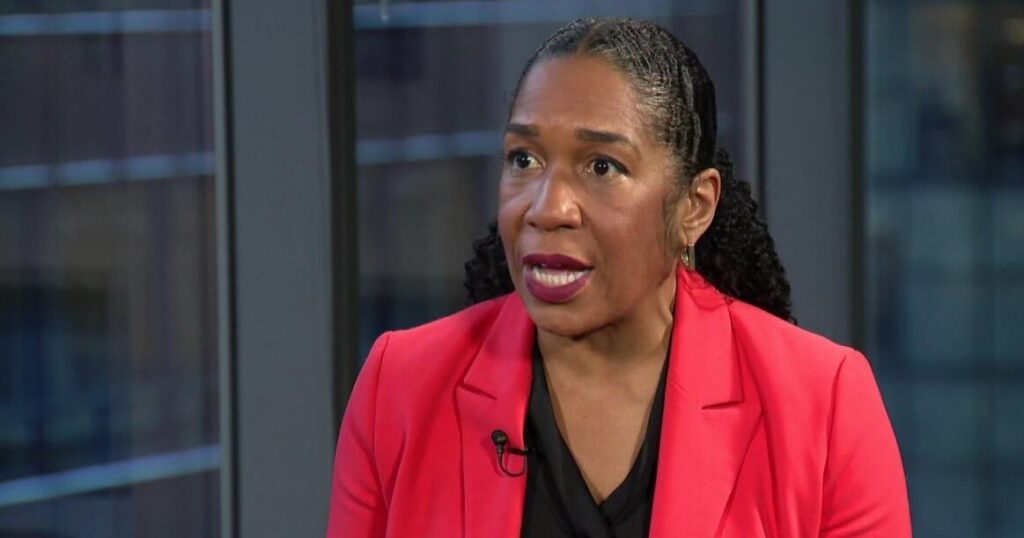
Illinois Lieutenant Governor Juliana Stratton is projected to have won the Democratic primary for the U.S. Senate seat being vacated by Senator Dick Durbin, leading a field of 10 candidates with about 39.4% of the vote. Stratton, supported by significant outside spending from Governor J.B. Pritzker’s PAC, campaigned as a progressive advocating for Medicare for All, a $25 minimum wage, and the abolition of ICE, positioning herself as a strong opponent to former President Trump and Senate leadership. If elected, she would become the sixth Black woman in the U.S. Senate and face Republican Don Tracy in the November general election for a seat historically favoring Democrats.
Posts tagged as “’s Democratic Party”
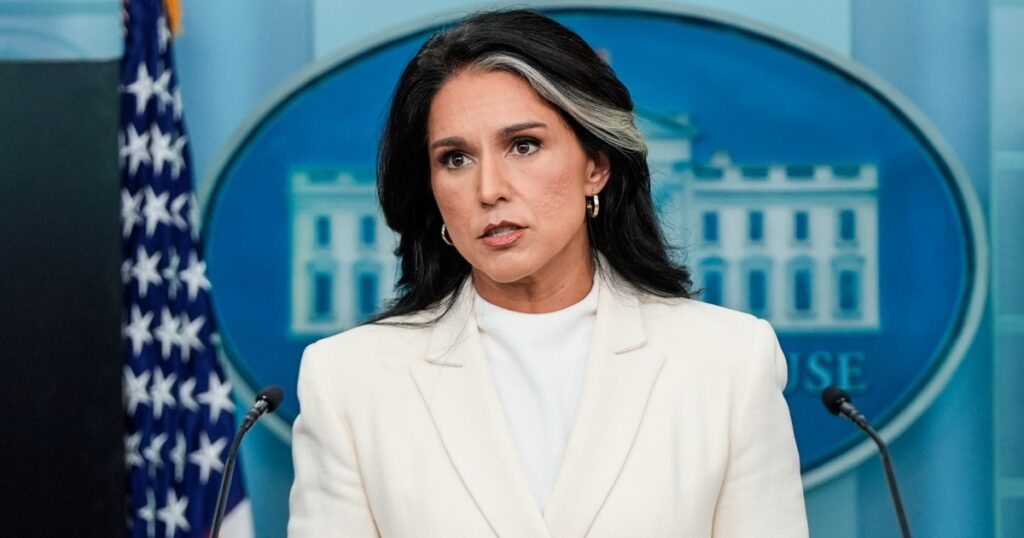
Joe Kent, former head of the National Counterterrorism Center, resigned in protest of the U.S.-Israeli military campaign against Iran, arguing that Iran posed no imminent threat and criticizing the war as influenced by Israeli pressure. His departure has intensified scrutiny on National Intelligence Director Tulsi Gabbard, who has maintained a neutral public stance but is expected to clarify her position during upcoming Senate testimony. The resignation has sparked debate within the Trump administration and Congress, highlighting divisions over U.S. foreign policy and the potential political consequences of the conflict.
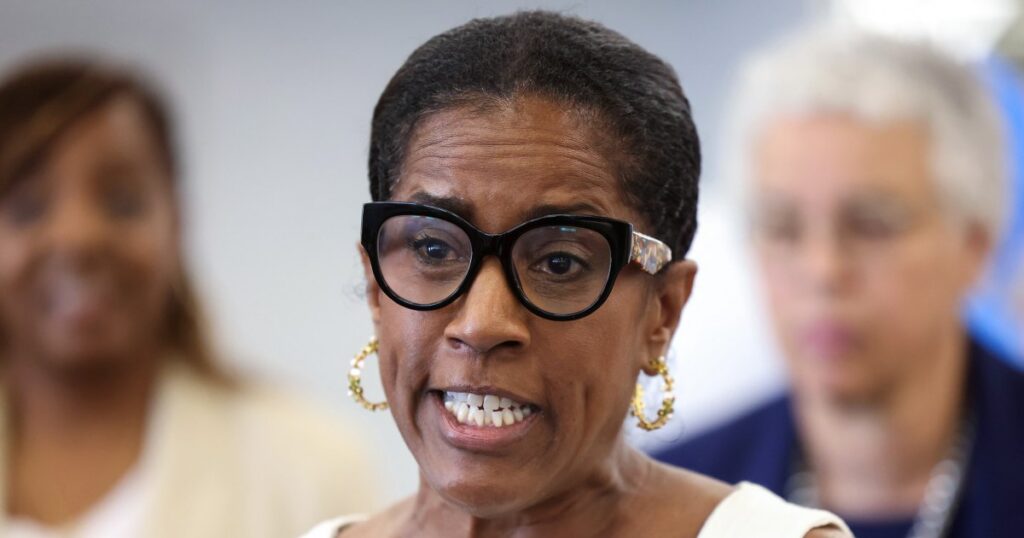
Illinois voters participated in the 2026 primary elections on March 17, with key races including the U.S. Senate seat, where Lieutenant Governor Juliana Stratton won the Democratic nomination to face Republican Don Tracy. The gubernatorial primary set up a rematch between incumbent JB Pritzker and Republican Darren Bailey, while several closely contested Democratic congressional primaries in the Chicago area highlighted ideological divides, particularly over Israel policy. Notable outcomes included Melissa Bean’s political comeback in the 8th District and tight races in the 7th and 9th Districts, reflecting shifting dynamics within Illinois politics ahead of the general elections.
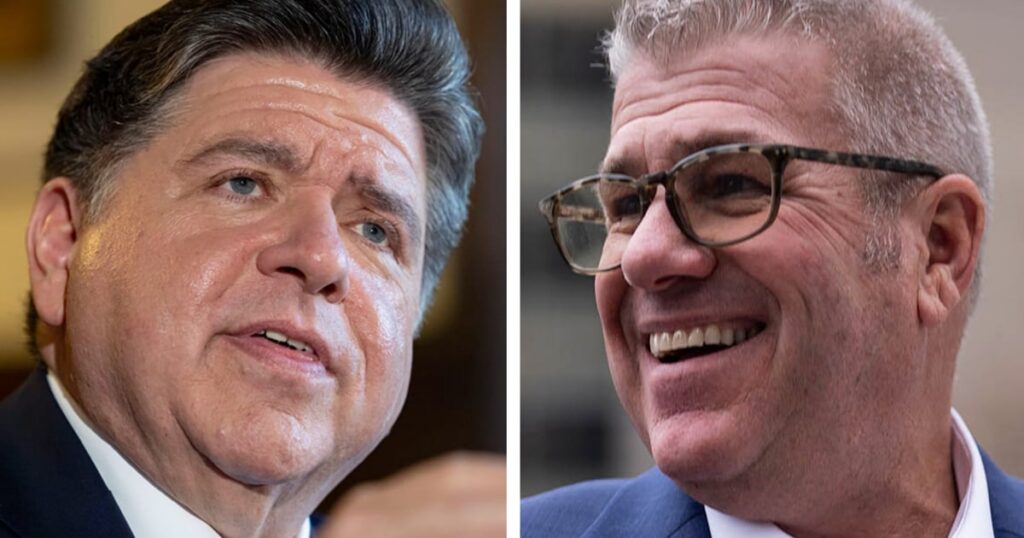
Illinois Governor JB Pritzker and Republican Darren Bailey will face off again in the 2026 gubernatorial election after both secured their party nominations, mirroring their 2022 contest where Pritzker won by 13 points. Pritzker, known for his progressive policies like raising the minimum wage and eliminating cash bail, has also gained national attention for opposing federal immigration enforcement actions in Chicago. Bailey, a farmer and former state legislator, continues to criticize Pritzker’s leadership and policies, aiming to improve his previous electoral performance in a predominantly Democratic state.
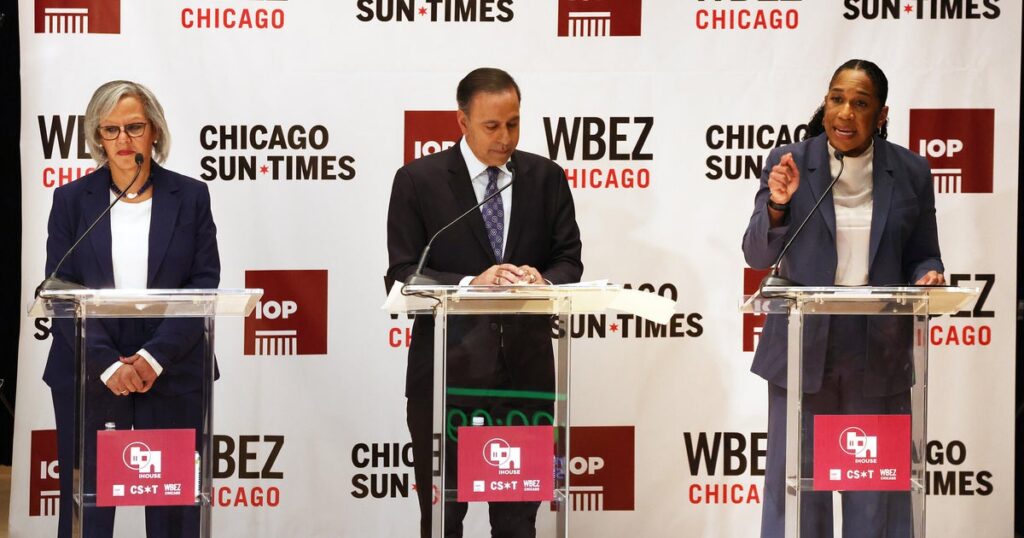
The 2026 Democratic primary in Illinois to replace Senator Dick Durbin centers on immigration enforcement, with candidates Lieutenant Governor Julianna Stratton, and Representatives Raja Krishnamoorthi and Robin Kelly all opposing ICE but differing in their reform approaches. The race is heavily influenced by outside spending, notably Krishnamoorthi’s $29 million ad campaign supported by a pro-crypto super PAC, while Governor JB Pritzker backs Stratton with significant financial resources, highlighting his political influence. This contest underscores broader Democratic Party divisions on immigration policy, anti-Trump strategies, and the impact of campaign financing ahead of the 2026 midterms.
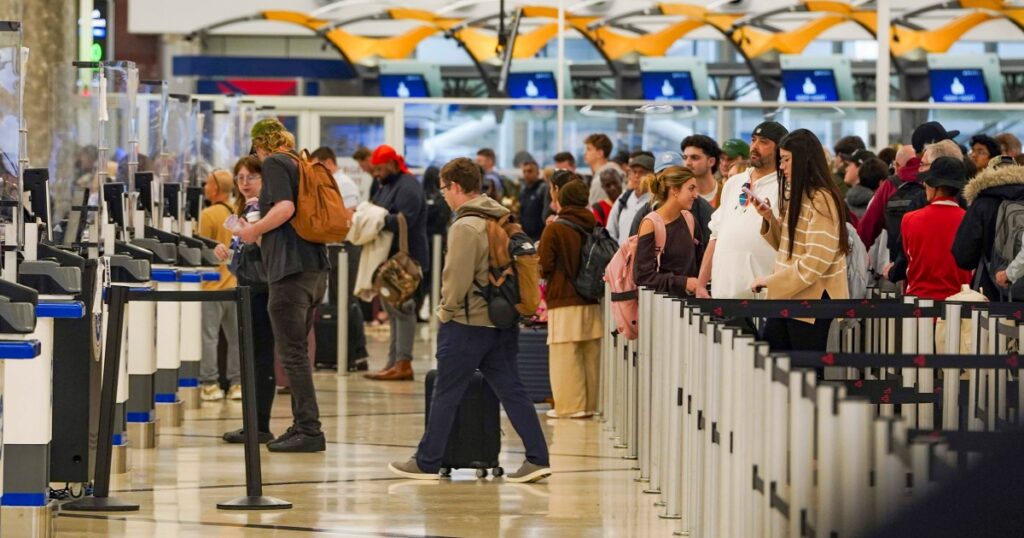
The partial government shutdown has caused significant delays at U.S. airport security checkpoints due to TSA employees missing paychecks, leading to increased resignations and callouts that strain staffing levels nationwide. Key airports like Atlanta, Austin, and Houston are experiencing severe wait times, with TSA officials warning that the situation will worsen unless funding is restored. The shutdown, rooted in a political deadlock over immigration policy, has left many TSA workers struggling financially, prompting calls from airlines and officials for Congress to resolve the impasse to stabilize airport operations.
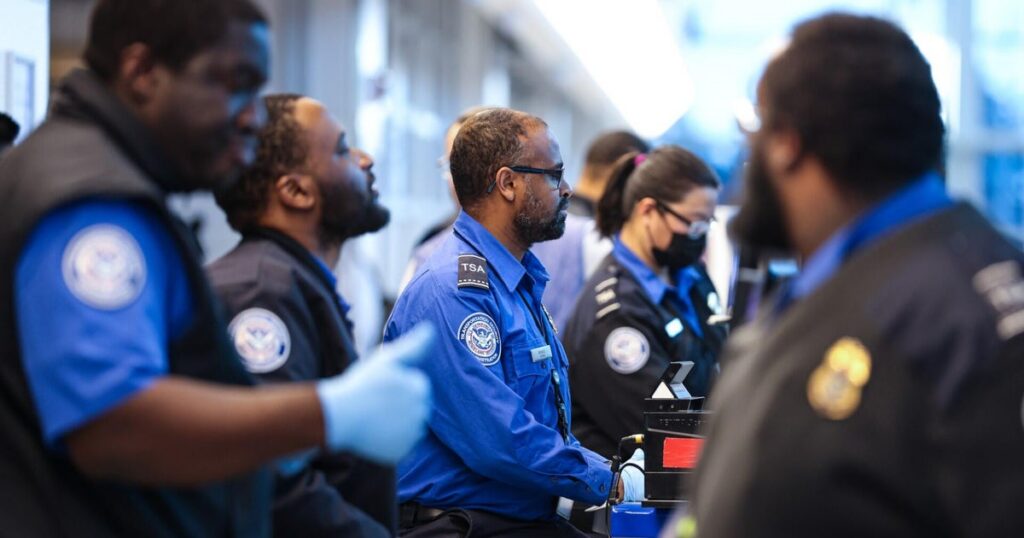
The partial government shutdown has forced around 50,000 TSA agents to work without pay, leading to staffing shortages, increased absences, and long security lines at major U.S. airports. Despite President Trump’s public support, TSA employees face financial hardships and growing resignations, while airline CEOs urge Congress to pass legislation ensuring pay during shutdowns. Travelers experience delays and stress, and isolated incidents of violence against TSA officers have occurred, highlighting the mounting operational and emotional toll of the ongoing funding lapse.
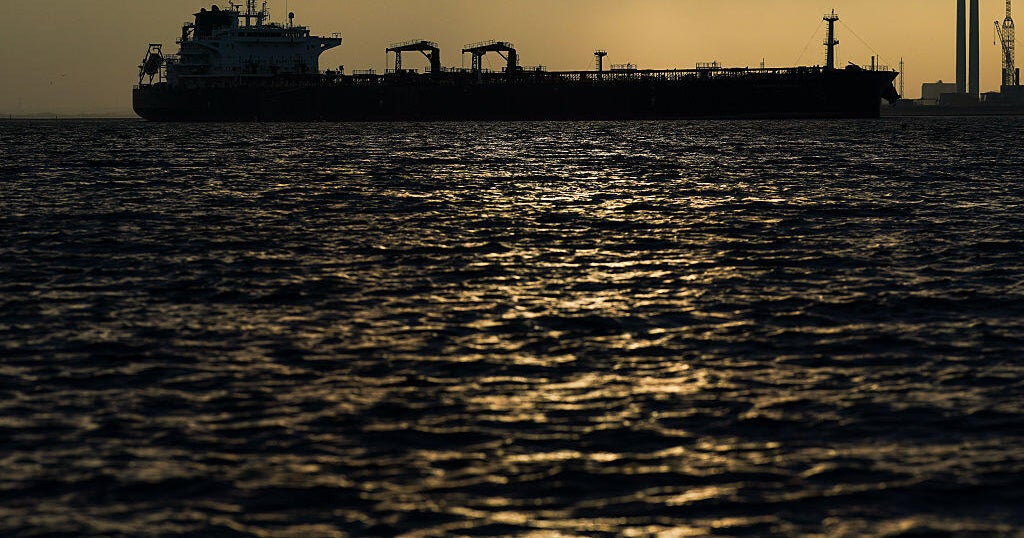
The United States has temporarily eased sanctions on Russian oil, allowing the purchase of petroleum products already loaded onto ships before the announcement, aiming to ease global energy market disruptions caused by conflicts in the Middle East. Treasury Secretary Scott Bessent emphasized the measure is narrowly tailored to avoid benefiting Russia financially and to increase existing supply amid restricted shipping through the Strait of Hormuz. While Russia welcomed the move as stabilizing global markets, European governments and some U.S. lawmakers criticized it for potentially strengthening Russia’s position and undermining sanctions related to the Ukraine conflict.