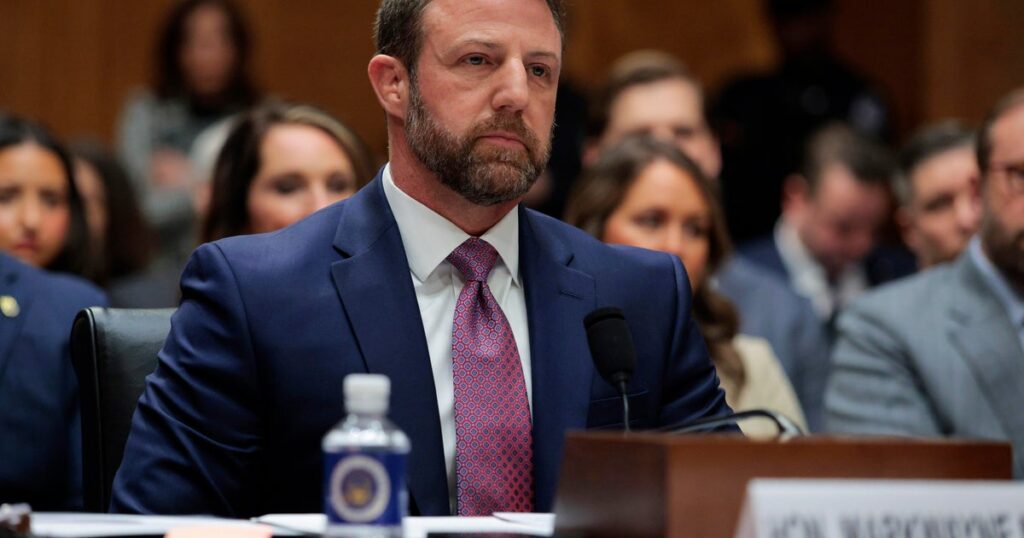
The Senate Homeland Security and Governmental Affairs Committee narrowly voted 8 to 7 to advance Senator Markwayne Mullin’s nomination as the next Secretary of the Department of Homeland Security, setting up a full Senate vote soon. The confirmation process was marked by tension, with Republican Senator Rand Paul opposing Mullin over concerns about his temperament and past remarks, while Democratic Senator John Fetterman broke ranks to support him. Mullin, praised by President Trump as a “MAGA Warrior,” emphasized his commitment to strong leadership and restoring confidence in DHS amid ongoing challenges.
Posts tagged as “’s Democratic Party”
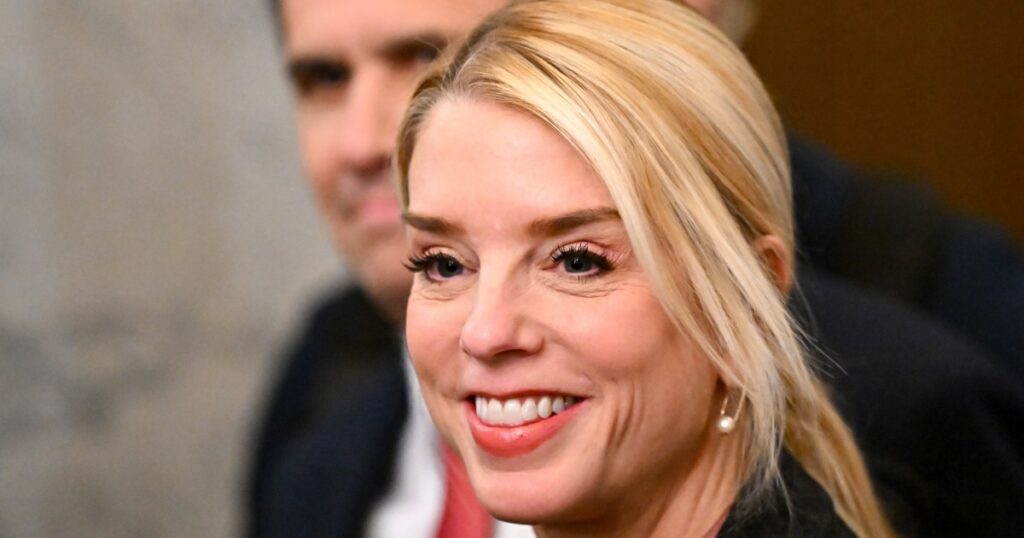
House Democrats walked out of a closed-door briefing with Attorney General Pam Bondi, criticizing the session as a “fake hearing” due to Bondi’s refusal to commit to complying with a subpoena and the lack of transparency. Republicans defended the briefing and accused Democrats of staging a political protest, while tensions flared between members during the session. The dispute highlights ongoing bipartisan concerns over the Justice Department’s handling and release of sensitive Jeffrey Epstein-related documents, with Bondi defending the department’s efforts amid controversy.
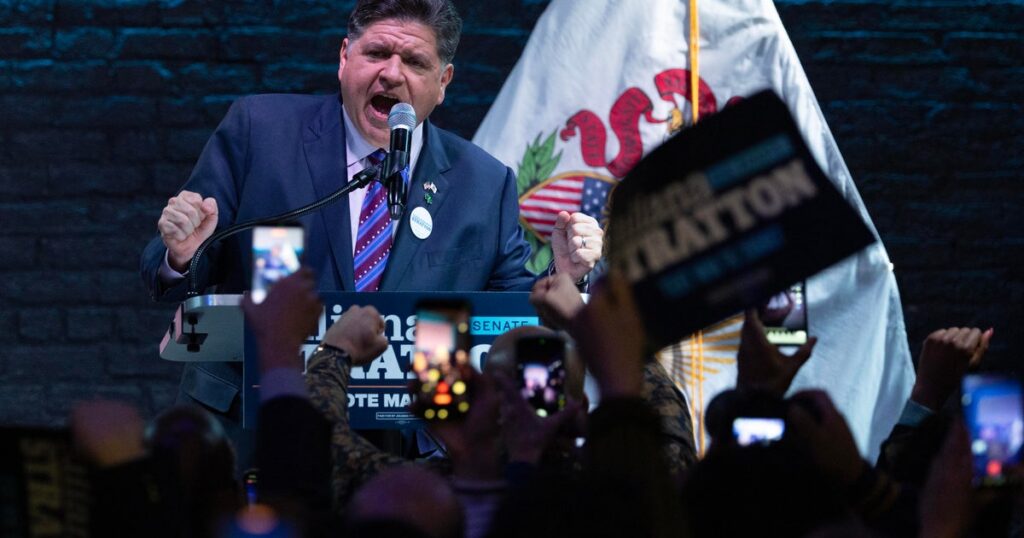
Illinois Democratic primaries showcased Governor JB Pritzker’s political influence, particularly through his substantial financial support for Lt. Governor Juliana Stratton, who won the U.S. Senate primary and could become the sixth Black woman in the Senate if victorious in the general election. Stratton’s campaign, backed by prominent endorsements and opposition to ICE, overcame strong fundraising and polling by her main rival, Representative Raja Krishnamoorthi, highlighting Pritzker’s sway in state politics ahead of a possible 2028 presidential bid. Additionally, outside spending from pro-Israel, cryptocurrency, and AI groups totaled over $52 million across key races, reflecting the growing impact of specialized interest groups on primary outcomes.
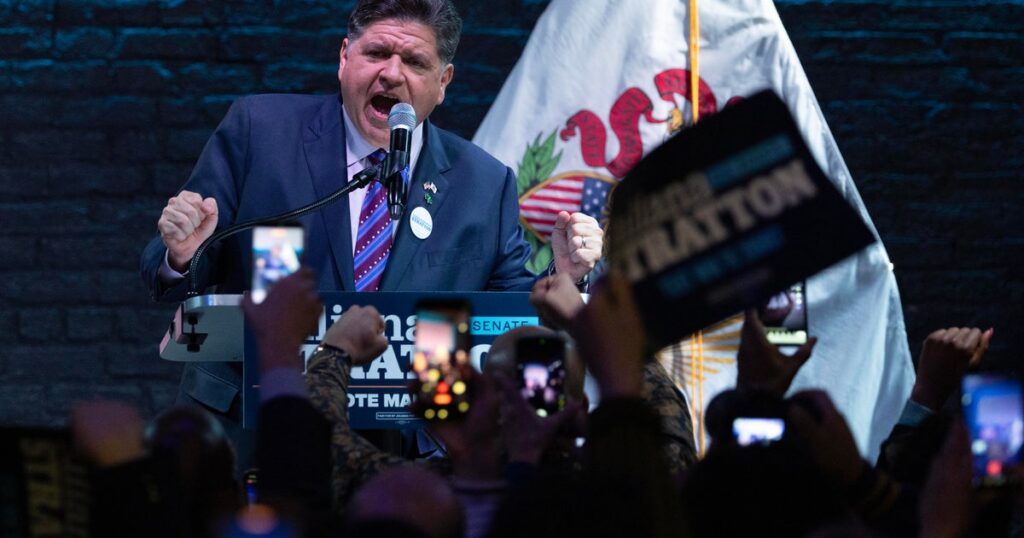
Illinois Democratic primaries showcased Governor J.B. Pritzker’s political influence, particularly through his substantial financial and public support for Lieutenant Governor Julianna Stratton, who won the U.S. Senate primary and is poised to become the sixth Black woman in the Senate. Outside spending from groups focused on issues like Israel, cryptocurrency, and artificial intelligence totaled over $52 million, highlighting the growing impact of specialized PACs in local races. Stratton’s victory not only strengthens Pritzker’s political standing in Illinois but also fuels speculation about his potential 2028 presidential ambitions.
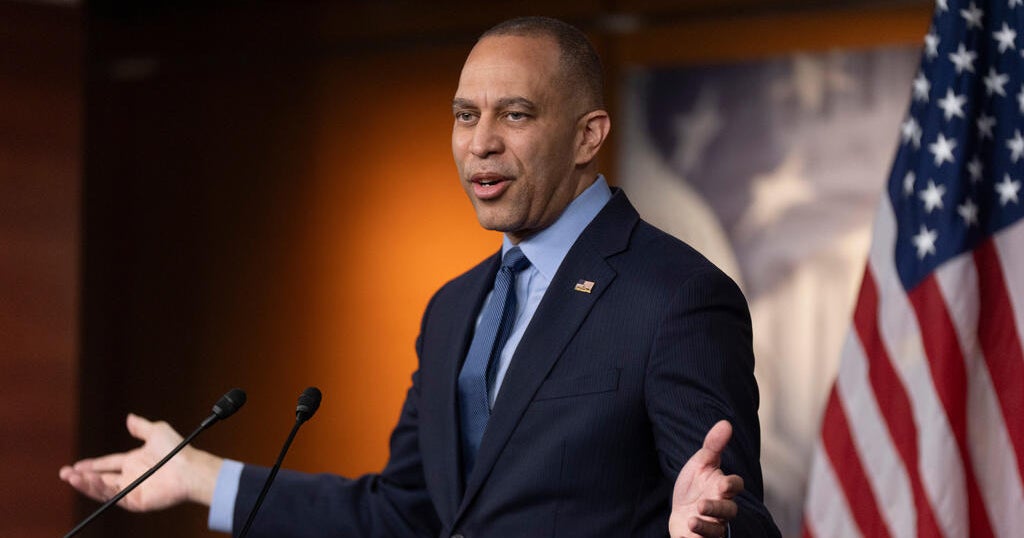
House Democrats have introduced a discharge petition to force a vote on funding key Department of Homeland Security agencies, excluding immigration enforcement bodies like ICE and CBP, amid a partial government shutdown now in its second month. The effort reflects Democratic demands for immigration enforcement reforms following recent controversial incidents, while Republicans remain skeptical and cite recent immigration funding legislation. The shutdown has severely impacted TSA operations, causing staffing shortages, increased wait times at major airports, and resignations among TSA workers due to missed paychecks.
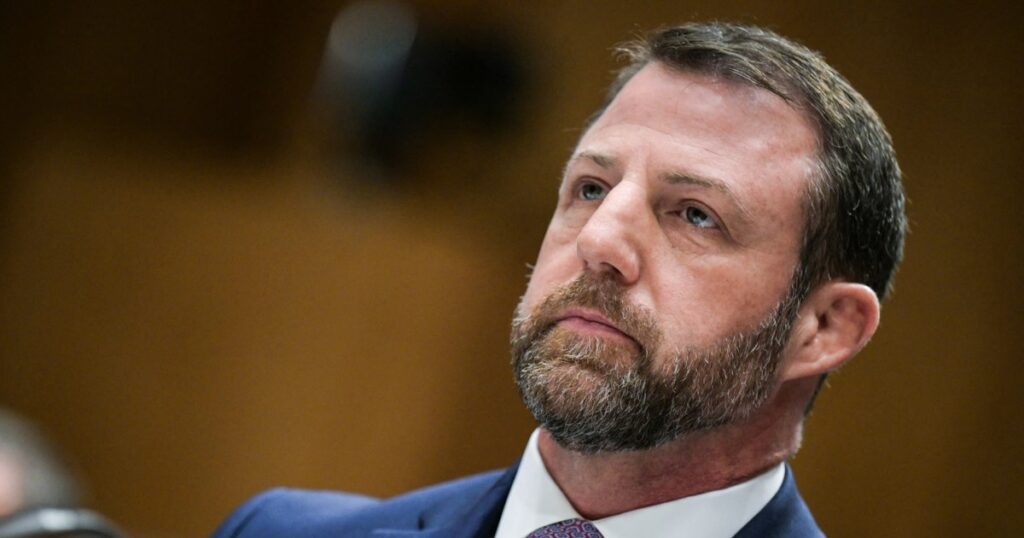
Senator Markwayne Mullin faced a contentious confirmation hearing for his nomination as Homeland Security Secretary, marked by sharp exchanges with Senate Homeland Security Chairman Rand Paul, who questioned Mullin’s temperament and past remarks. Mullin defended his comments without apologizing, pledged to set aside partisan differences, and acknowledged some past statements were premature while standing by others. Despite concerns from Democrats and signs of GOP division, Mullin is expected to secure confirmation given the Republican Senate majority.
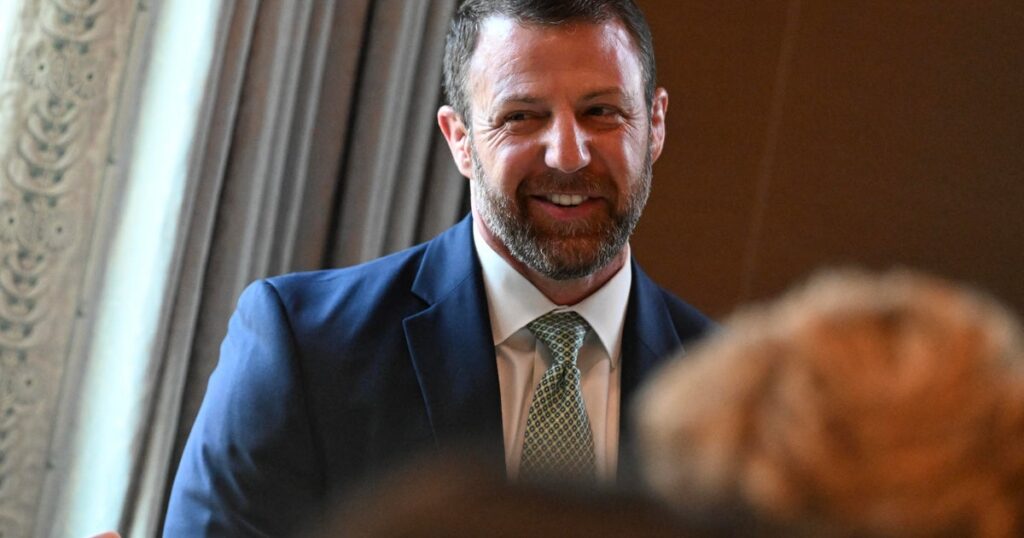
Senator Markwayne Mullin appeared before the Senate Homeland Security and Governmental Affairs Committee for a confirmation hearing to become the next Secretary of Homeland Security, facing scrutiny over past remarks and concerns about his readiness to lead amid ongoing departmental challenges. While Republican supporters praised Mullin’s experience and work ethic, Democrats expressed reservations about his ability to address issues such as immigration enforcement reforms, funding impasses, and agency misconduct. The committee’s recommendation will move Mullin’s nomination to the full Senate, where a simple majority vote is needed for confirmation.
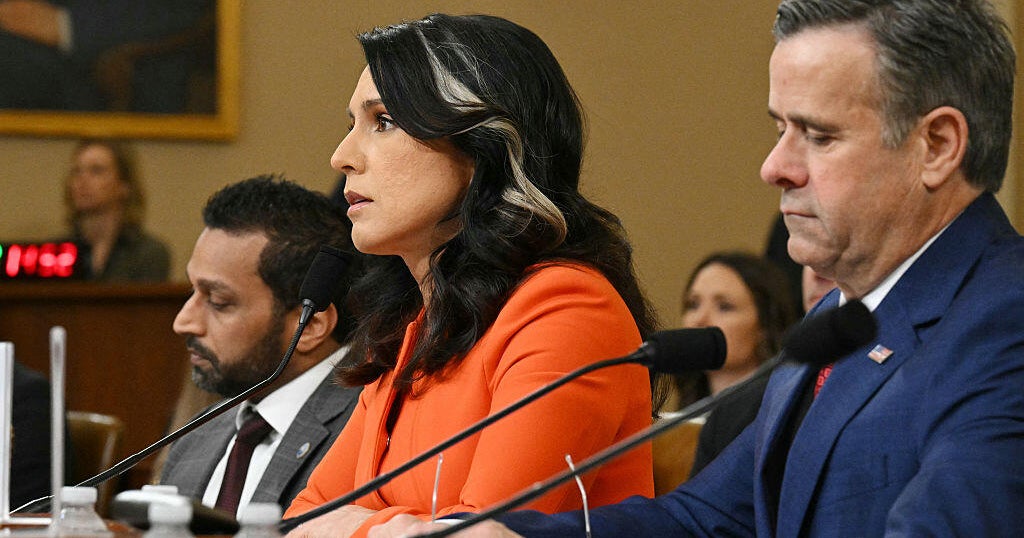
Top U.S. intelligence officials, including Director of National Intelligence Tulsi Gabbard, testified before the Senate Intelligence Committee amid heightened tensions following the U.S. military campaign against Iran, which was justified by the Trump administration as a response to an imminent threat despite intelligence reports indicating Iran was not actively pursuing nuclear weapons. The hearing occurred shortly after the resignation of Joe Kent, head of the National Counterterrorism Center, who criticized the administration’s rationale for war, while lawmakers remain divided over calls for greater transparency and public hearings on the conflict. As the debate over oversight continues, Democratic lawmakers push for more disclosure, whereas many Republicans argue that classified briefings suffice to protect national security.