Illinois Governor JB Pritzker is considering a boycott against El Salvador in response to President Nayib Bukele's cooperation with the Trump administration, which allegedly violated the due process rights of a deported Maryland resident. To exert pressure on El Salvador, Pritzker has directed state pension funds and procurement agencies to identify and potentially divest from any investments or contracts with the country. This action reflects a broader trend of state-level involvement in foreign policy, particularly concerning human rights issues, and highlights the complexities of international relations influenced by domestic politics.
Posts tagged as “’s Democratic Party”
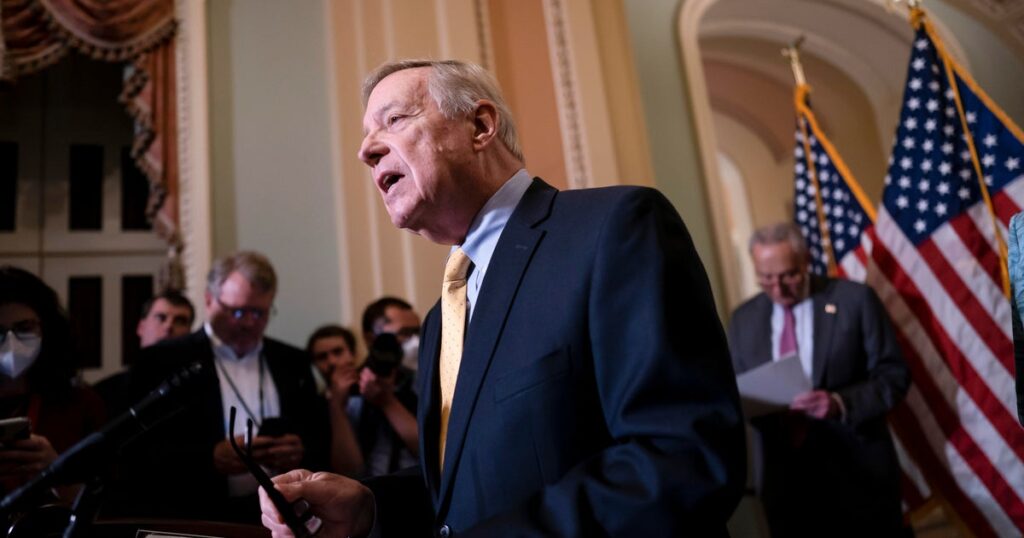
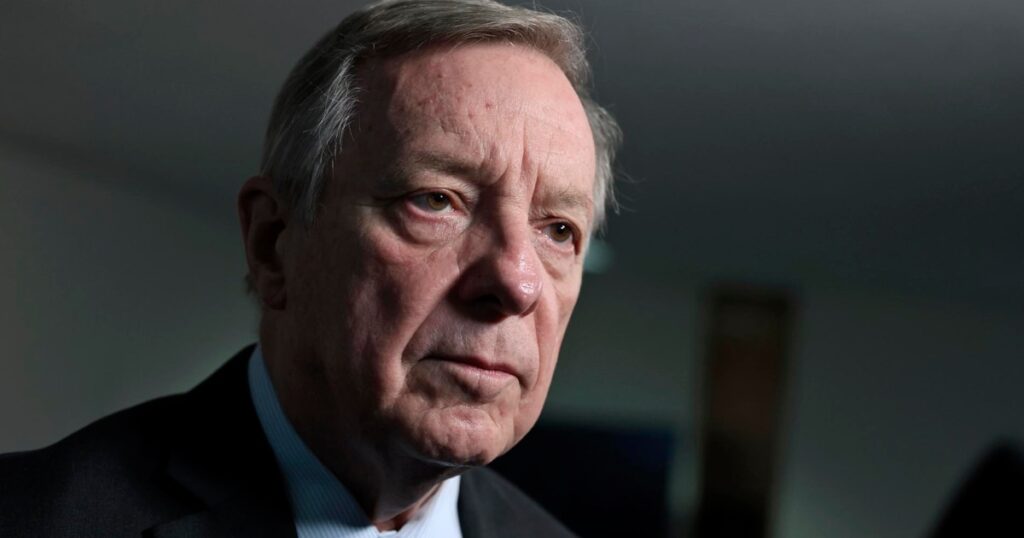
Senator Dick Durbin of Illinois has announced he will not seek re-election in 2026, ending his long tenure in Congress and expressing gratitude for the support from his constituents. His decision will leave a vacancy in the Senate's Democratic leadership and is expected to lead to a competitive primary race in the Democratic-leaning state. Durbin, who has played significant roles in legislative efforts and party leadership, emphasized the importance of passing the torch to a new generation of leaders.
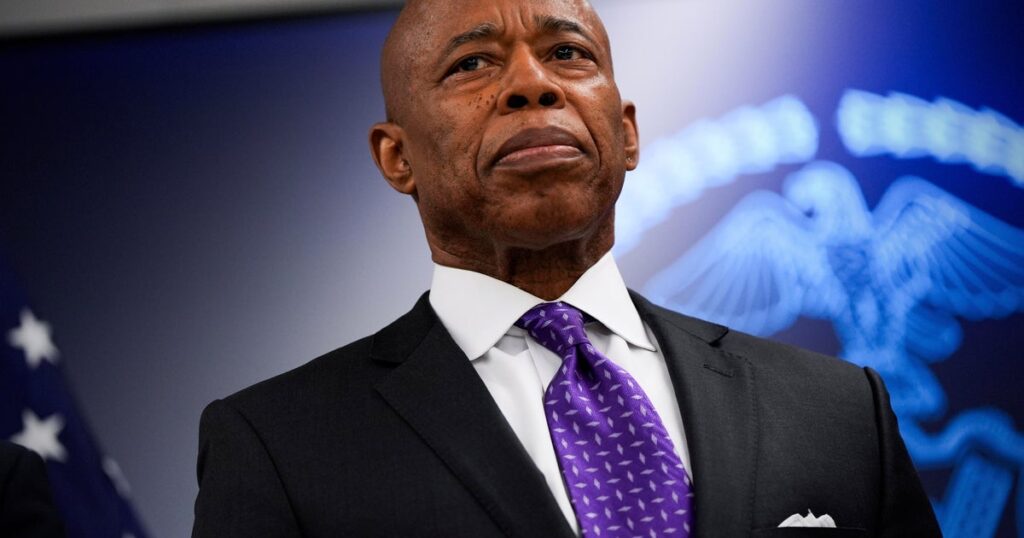
Three federal prosecutors from the U.S. Attorney's Office in Manhattan have resigned due to pressure from Trump administration allies within the Justice Department over a corruption case involving New York City Mayor Eric Adams. The case, which involved allegations of bribery and fraud, was dismissed in February, leading to tension between career prosecutors and political appointees. The resignations highlight the challenges of maintaining legal integrity amid political pressure and raise concerns about the independence of the Justice Department.
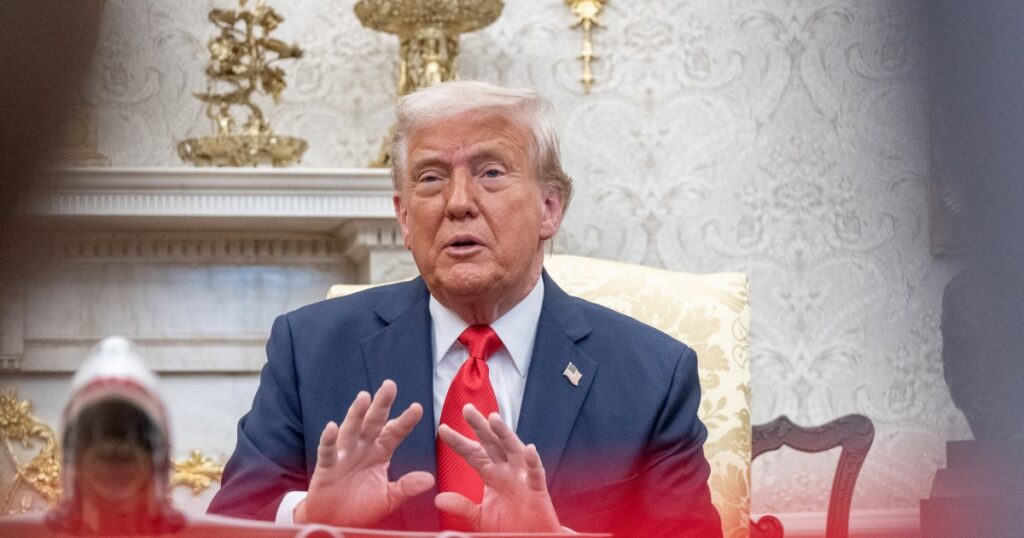
U.S. District Judge Paula Xinis has criticized the Trump administration for providing "vague, evasive, and incomplete" responses in the deportation case of Kilmar Abrego Garcia, who was mistakenly deported to a prison in El Salvador. The Justice Department's refusal to fully comply with discovery obligations has drawn further scrutiny from the judiciary and lawmakers, with California Representative Robert Garcia and other Democratic lawmakers visiting El Salvador to advocate for Abrego Garcia's return. This case highlights broader issues with deportation practices and international diplomatic efforts, as well as the complexities faced by individuals in such legal situations.
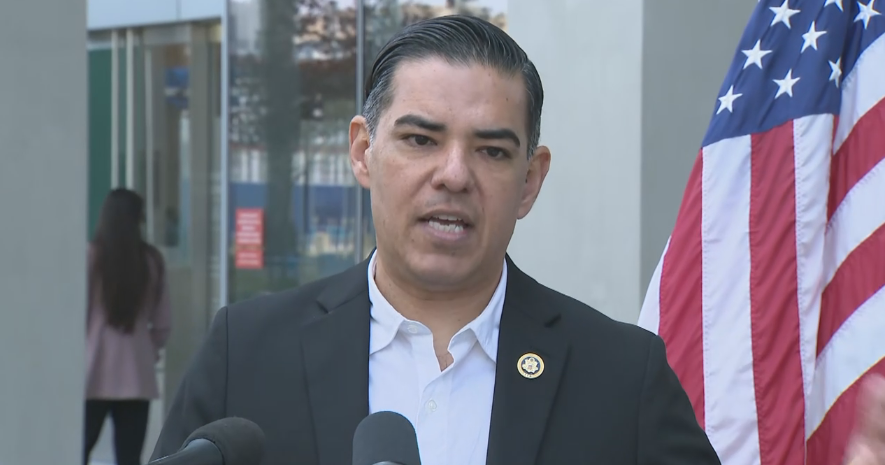
A delegation of Democratic lawmakers, led by California Representative Robert Garcia, visited El Salvador to address concerns over the detention of Kilmar Abrego Garcia, a Maryland resident, amid tensions surrounding U.S. immigration and deportation policies under President Trump's second term. The visit is part of a broader effort to protest against the administration's mass deportation agenda, which Democrats criticize for lacking transparency and accountability, and to advocate for individuals affected by these policies. Additionally, the delegation warned of the risks of authoritarianism and the decline of democratic norms, urging global leaders to reconsider alliances with President Trump as part of a strategy to preserve democratic institutions.
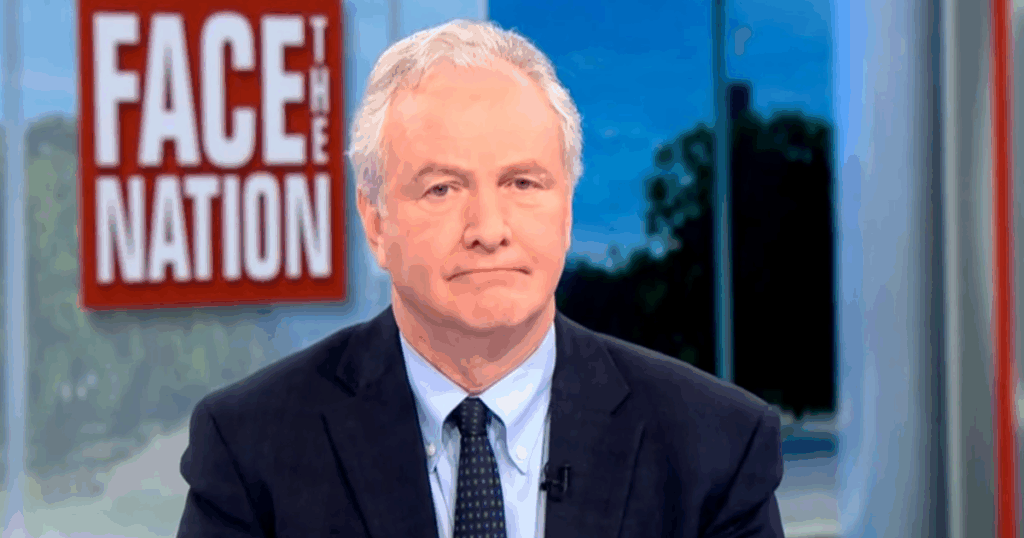
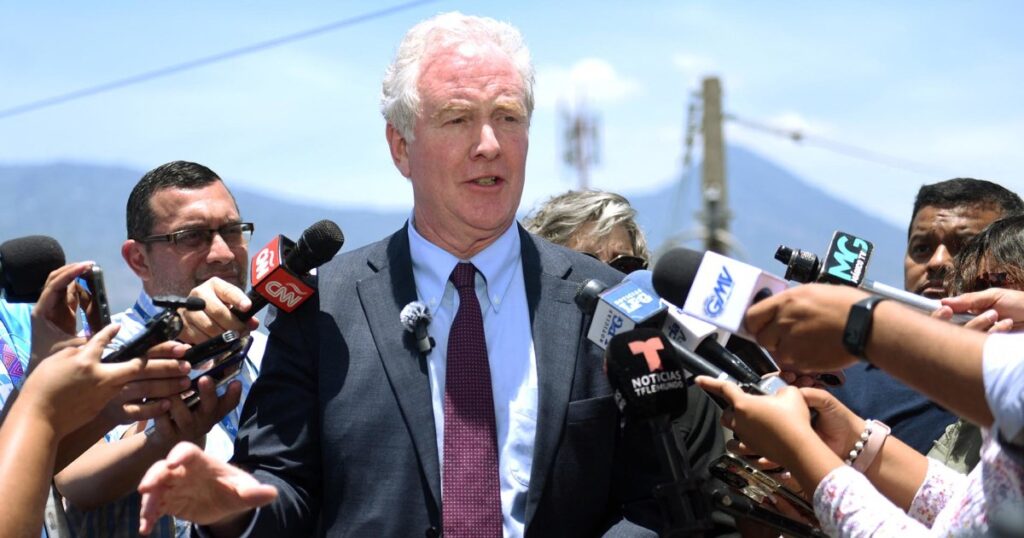
Senator Chris Van Hollen revealed that the Salvadoran government initially tried to block his visit to Kilmar Abrego Garcia, a Maryland resident recently deported to El Salvador and imprisoned in harsh conditions, though they later allowed the meeting. The deportation, part of a White House initiative later acknowledged as a mistake by U.S. officials, has sparked criticism and raised concerns about U.S. immigration policies. Separately, Secretary of State Marco Rubio suggested the U.S. might abandon efforts to end the war in Ukraine, signaling a potential shift in American foreign policy.
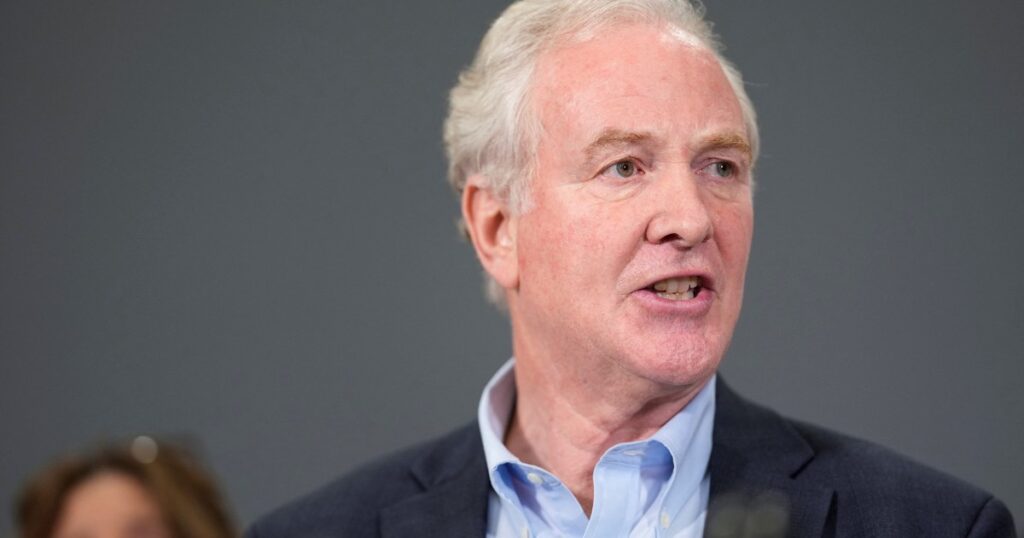
The deportation case of Kilmar Abrego Garcia has exposed a significant divide within the Democratic Party regarding their approach to immigration policies, particularly in response to actions taken during the Trump administration. Maryland Senator Chris Van Hollen's challenging visit to El Salvador, where he attempted to meet with Abrego Garcia, highlights the complexities and obstacles involved in addressing such cases. This situation has sparked internal debate among Democrats, revealing differing opinions on whether to adopt a more confrontational or measured stance on immigration issues, and underscores the broader challenges the party faces in forming a cohesive strategy.
Judge J. Harvie Wilkinson III, previously considered a potential nominee for Chief Justice by President George W. Bush, has become a vocal critic of the perceived erosion of constitutional order in the United States, despite his conservative background. His critique is set against the backdrop of a controversial deportation case involving Kilmar Abrego Garcia, which has exposed divisions within the Democratic Party regarding President Trump's immigration policies. Wilkinson's recent opinion for the Fourth Circuit Court of Appeals, rejecting a Trump administration position, highlights the complexities of the current legal and political landscape and the shifting nature of political alliances.