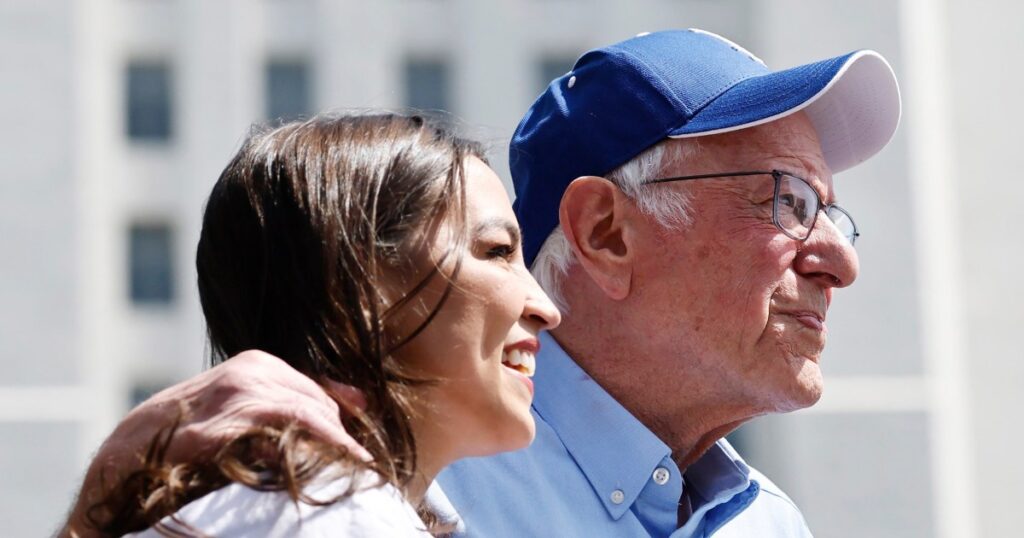
The second administration of President Donald Trump has elicited strong reactions, particularly among progressive groups, due to controversial policies like deportations to a facility in El Salvador known for its harsh conditions. This has led to increased fundraising among anti-Trump progressives, although not to the extent seen during his first term. Meanwhile, Democratic opponents have reported significant financial gains, which are crucial for their continued efforts to challenge the administration's actions, as highlighted by ongoing debates over immigration decisions.
Posts tagged as “’s Democratic Party”
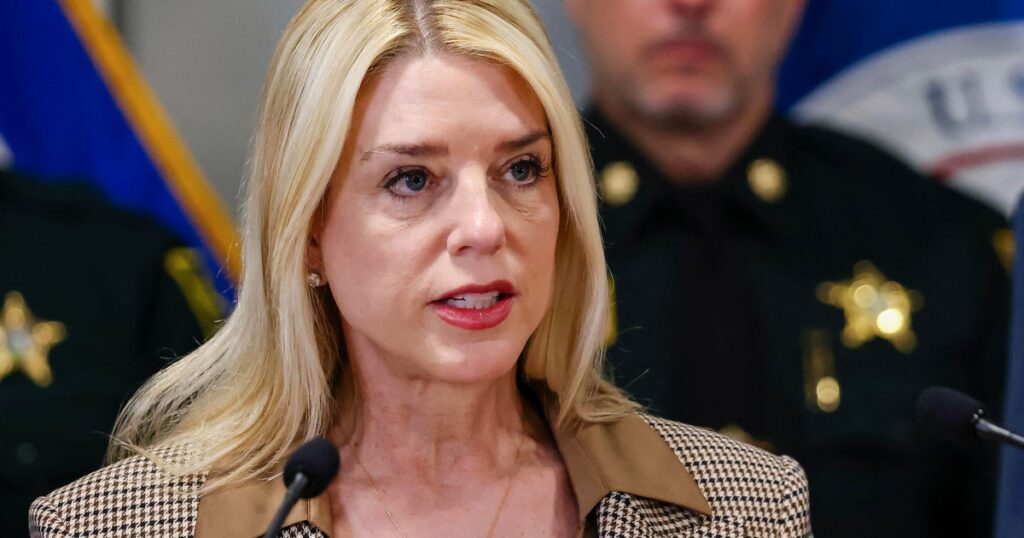
In February, President Trump signed an executive order to ban transgender girls and women from participating in sports teams that align with their gender identity, interpreting Title IX to exclude transgender athletes from girls' and women's sports. This move has led to legal and political debates, including a lawsuit against Maine's Department of Education for allegedly not complying with the federal interpretation of Title IX. The conflict has escalated into a broader confrontation between the Republican-led federal government and Democratic Governor Janet Mills, who has resisted the directive and is prepared to challenge it in court.
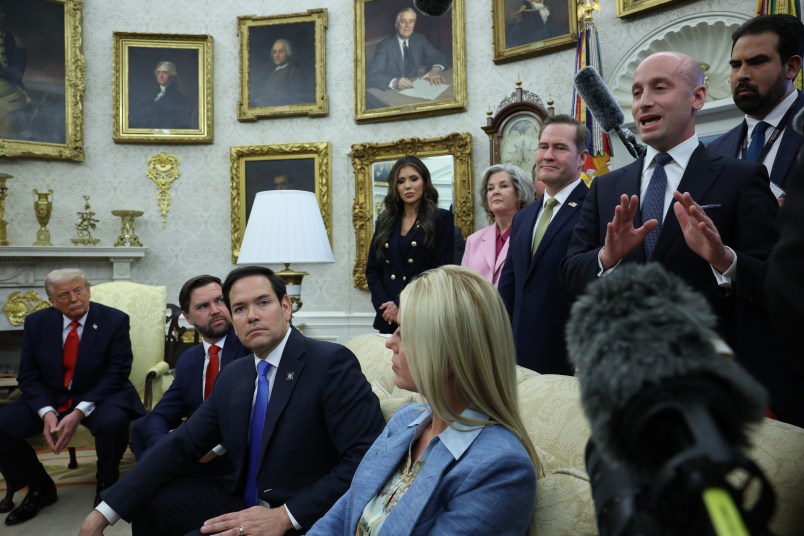
A diplomatic dispute has arisen between the United States and El Salvador over Kilmar Abrego Garcia, with El Salvador's President Nayib Bukele refusing to extradite him back to the U.S., drawing attention from U.S. lawmakers. Senator Chris Van Hollen has actively engaged with El Salvador's ambassador and expressed his willingness to travel to El Salvador if the situation is not resolved, gaining support from other Democratic lawmakers. The case has also exposed tensions within the U.S. government, with criticism directed at the Trump administration for its handling of the matter, and a federal court hearing in Maryland is anticipated to address the legal and diplomatic ramifications.
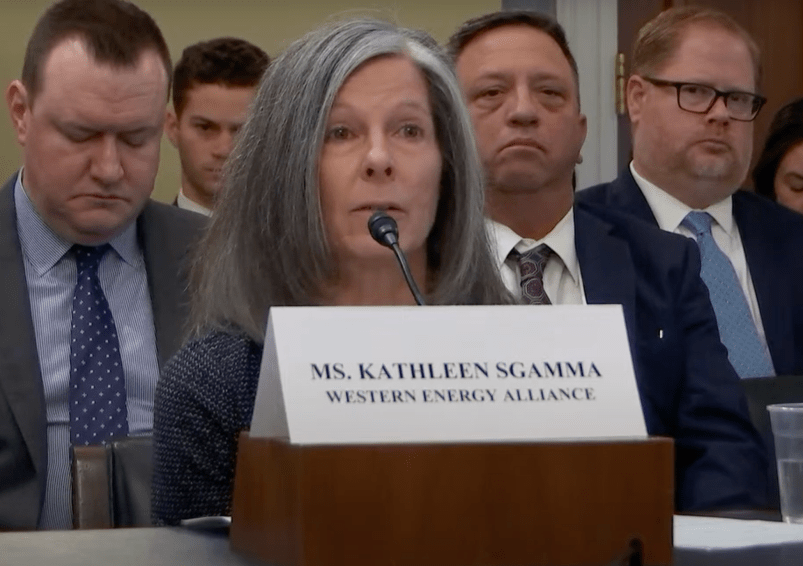
Democratic Senator Michael Bennet is reportedly planning to run for governor of Colorado, aiming to succeed the term-limited Governor Jared Polis, amidst a trend of Democratic support in the state. Despite his current Senate term running until 2028, Bennet's potential gubernatorial bid reflects a broader trend of Democrats seeking roles outside Washington, as several Senate Democrats announce retirements. Meanwhile, Kathleen Sgamma's withdrawal from her nomination to lead the Bureau of Land Management underscores ongoing debates over energy policies, adding another layer of complexity to the political landscape as Bennet prepares to enter the race.
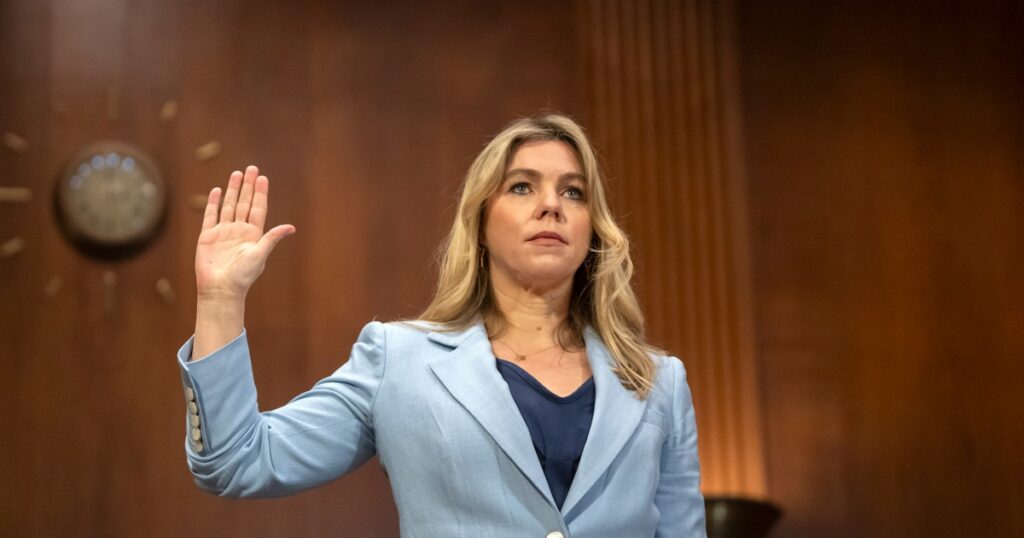
A Senate Judiciary subcommittee on crime and terrorism convened to examine Meta's operations in China, featuring testimony from former employee Sarah Wynn-Williams, who criticized the company's collaboration with the Chinese government. Wynn-Williams alleged that Meta developed censorship tools for the Chinese Communist Party and allowed access to user data, including American users, by Chinese authorities, raising bipartisan concerns about data security and censorship. Senators expressed disapproval of Meta's practices, with plans to further investigate and potentially seek testimony from CEO Mark Zuckerberg, highlighting ongoing scrutiny of the company's ethical practices.
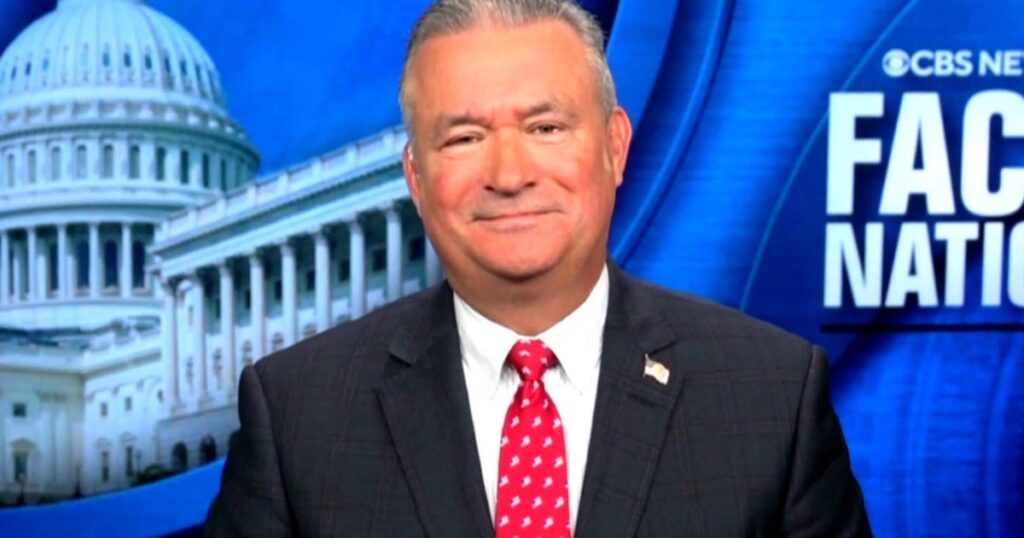
Rep. Don Bacon, a Republican from Nebraska, is advocating for a legislative proposal to restore congressional authority over tariffs, responding to concerns about the executive branch's overreach following President Trump's tariff implementations. This initiative parallels a similar Senate measure, highlighting bipartisan interest in re-evaluating the balance of power between Congress and the executive branch in trade policy. Despite growing support, House Speaker Mike Johnson opposes considering a Senate bill that would limit the President's unilateral tariff powers, reflecting ongoing debates about the separation of powers and congressional oversight in U.S. trade policy.
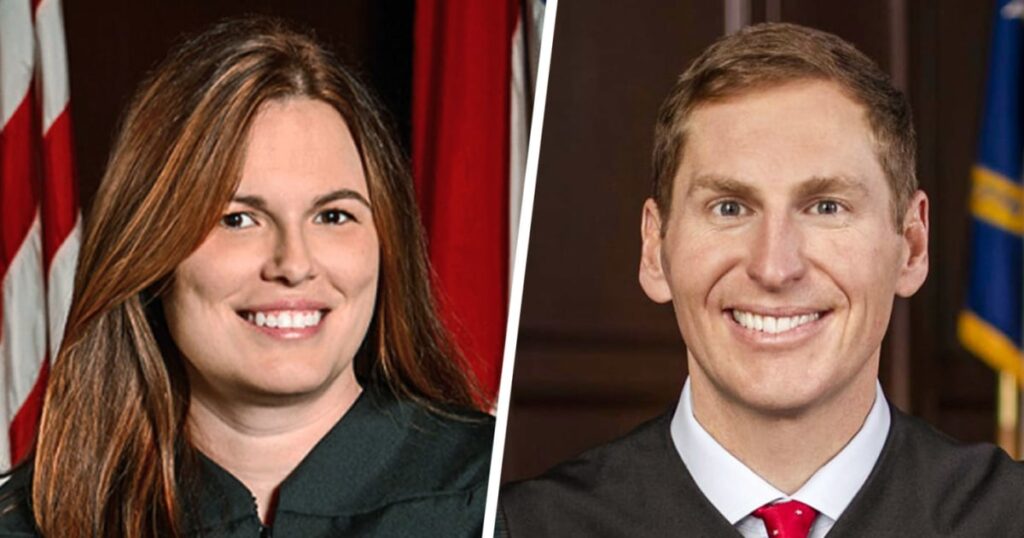
The North Carolina Court of Appeals ruled in favor of Republican state Supreme Court candidate Jefferson Griffin, requiring over 65,000 voters to verify their identity to validate their votes in the contested November 2024 election. This decision, which could potentially disenfranchise many voters, comes amidst an unresolved legal battle with Democratic incumbent Justice Allison Riggs. The court also ordered a recount of the challenged votes, which could significantly impact the final outcome of the tightly contested race.

Significant leadership changes occurred at the National Security Agency (NSA) and U.S. Cyber Command with the removal of Gen. Timothy Haugh, confirmed by top Democrats on the House and Senate intelligence committees. Lt. Gen. William Hartman has been appointed as the acting NSA director, taking over from Haugh, who has over 30 years of experience in intelligence and cyber operations. The reasons for Haugh's dismissal remain unclear, and the implications of this leadership transition are yet to be fully understood.