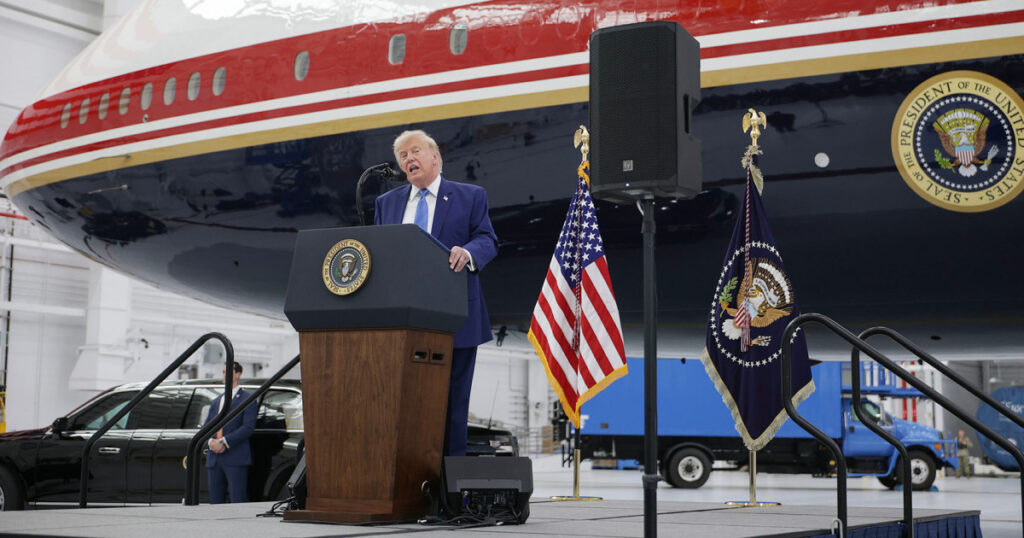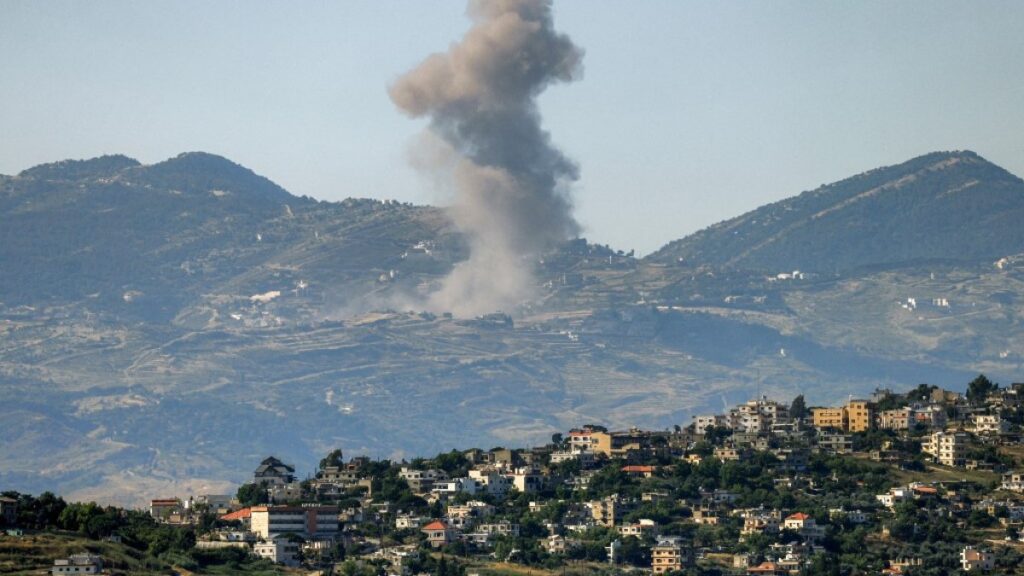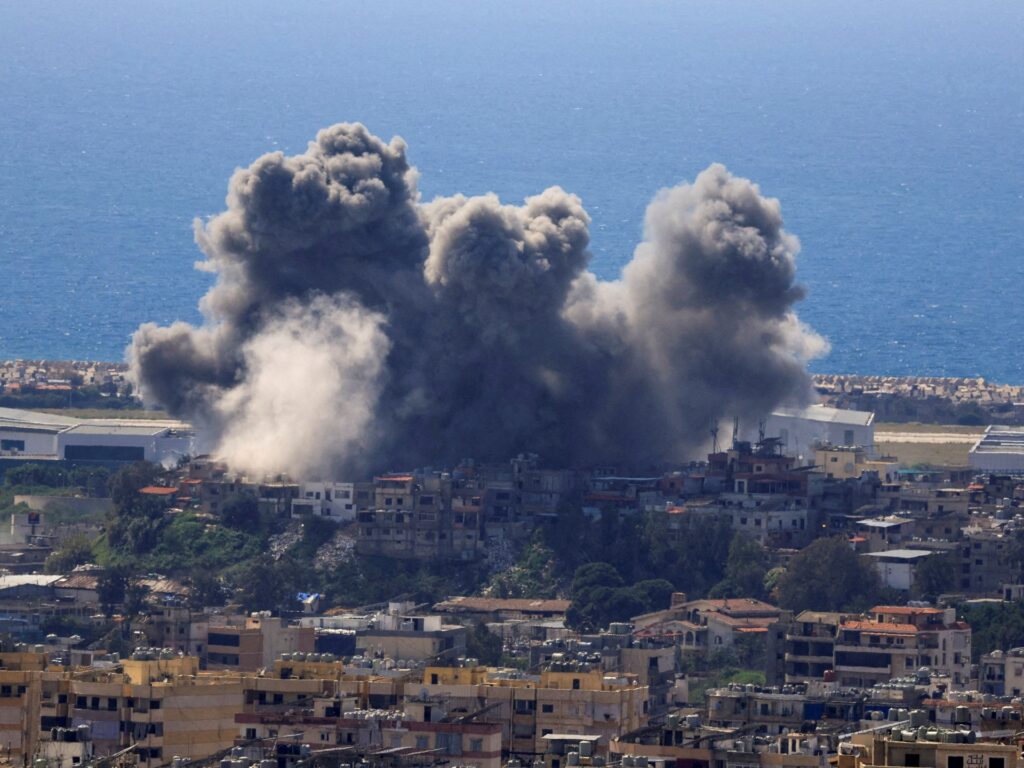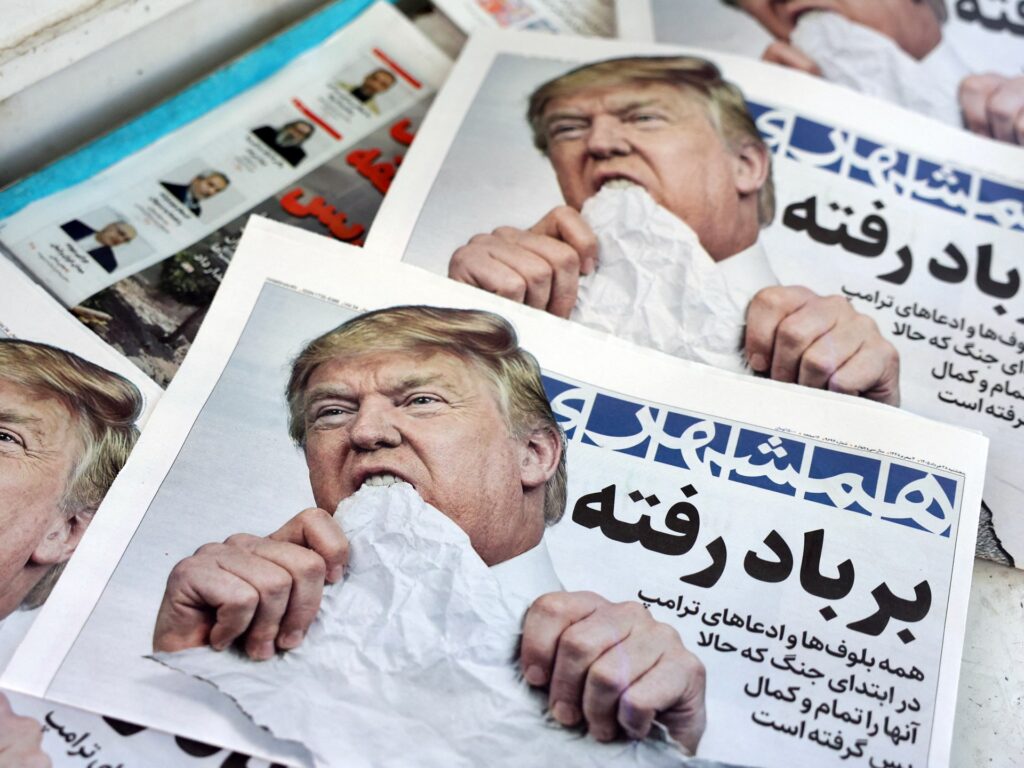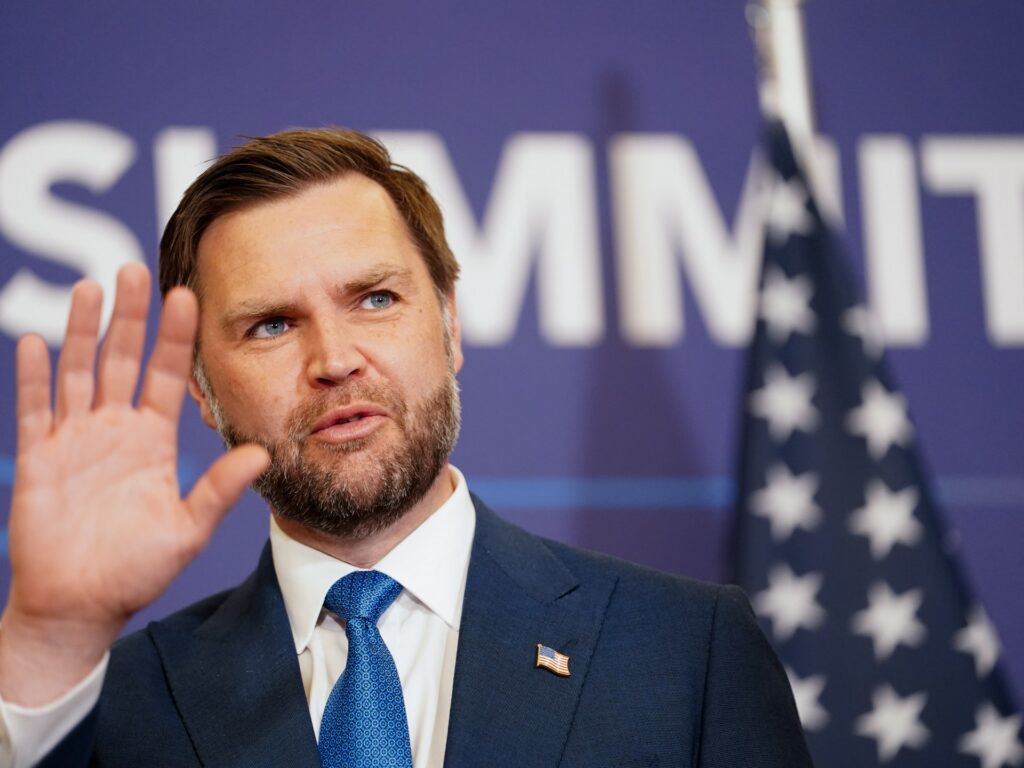
The United States and Israel have escalated military strikes against Iran, with the U.S. conducting over 7,000 attacks on Iranian military and industrial sites as part of Operation Epic Fury, while Israel targeted key Iranian officials and energy infrastructure. These actions have heightened tensions and disrupted global energy markets, prompting President Trump to warn Israel against further attacks on shared resources unless provoked by Iran, and calls for international efforts to reopen the closed Strait of Hormuz. Despite significant damage to Iran’s capabilities, intelligence reports indicate the regime remains intact, amid ongoing investigations into leaks related to the conflict and revelations of covert coordination between the U.S. and Israel.
Posts tagged as “Qatar Airway”
The conflict between Israel, the United States, and Iran has escalated sharply after an Israeli strike on Iran’s South Pars gas field, prompting Iranian retaliatory attacks on energy infrastructure across Gulf states and causing major disruptions to global energy supplies. These attacks have led to soaring oil and natural gas prices, closure of the Strait of Hormuz to tanker traffic, and heightened regional tensions, with international actors calling for de-escalation amid widespread condemnation. The ongoing crisis threatens regional stability and global markets, while diplomatic efforts have so far failed to resolve the conflict, leaving the situation highly volatile.
President Donald Trump has urged countries dependent on oil shipments through the Strait of Hormuz to help reopen the waterway, which Iran has effectively closed amid escalating regional conflict following a U.S.-Israeli military campaign. However, many traditional U.S. allies, including European and Pacific nations, have declined to participate in securing the strait, emphasizing diplomacy and conflict resolution over military involvement. The ongoing tensions have driven up global oil prices, strained international relations, and resulted in significant military engagements and regional instability.
Oil prices surged sharply amid escalating conflict involving the U.S., Israel, and Iran, with Brent crude surpassing $100 per barrel due to disruptions in the critical Strait of Hormuz and attacks on oil infrastructure across the Gulf region. The crisis has led to significant economic impacts, including declines in U.S. stock markets, production shutdowns by major energy companies, and government measures such as fuel rationing in India and potential U.S. policy changes like a temporary Jones Act waiver and strategic oil reserve releases. Meanwhile, military actions have intensified, causing substantial casualties and prompting international efforts to address the escalating threats to global energy supplies and maritime security.
Oil prices have surged due to the escalating Middle East conflict, which has disrupted shipping through the strategic Strait of Hormuz and drawn significant military attention from the U.S. and its allies. Russia has emerged as a key beneficiary of rising energy prices, potentially increasing its oil revenues and military spending amid the ongoing Ukraine war. Meanwhile, the conflict intensifies with attacks on Gulf countries, heightened regional military deployments, and diplomatic efforts to support affected nations and maintain global energy security.
George Glezmann, an American citizen detained by the Taliban in Afghanistan for over two years, has been released and is returning to the United States, as announced by Secretary of State Marco Rubio. The Taliban described Glezmann's release as a "goodwill gesture" towards former President Donald Trump, following the earlier release of two other Americans in a deal during the Biden administration. Secretary Rubio expressed gratitude to Qatar for its crucial diplomatic efforts in securing Glezmann's freedom, highlighting the ongoing diplomatic engagements to resolve such detentions and ensure the safety of U.S. nationals abroad.
This report reveals that former President Donald Trump received at least $7.8 million in payments from foreign governments during two of his four years in office, with China being the leading spender. The payments came from entities linked to the governments of Kuwait, Qatar, Turkey, Malaysia, and the United Arab Emirates, and the report does not provide any evidence that Trump was aware of the payments or that they were made in exchange for any favors. The report is likely to fuel further scrutiny of Trump's financial dealings with foreign governments.
Sen. Bob Menendez (D-NJ) is facing new allegations of bribery in a superseding indictment from Manhattan federal prosecutors, which accuse him of using his position as head of the Senate Foreign Relations Committee to benefit the government of Qatar and three businessmen. The indictment alleges Menendez accepted lavish gifts in exchange for using his power and influence as a U.S. senator, and he and his wife, Nadine, are charged with four counts related to the alleged bribery scheme. Menendez has denied any wrongdoing and is scheduled to go to trial in October, with a potential sentence of up to 20 years in prison if convicted.