
Turkey beat the United States 3-2 on Kaan Ayhan’s stoppage-time goal, handing the Americans their first loss of the 2026 World Cup. The U.S. had already advanced and will face Bosnia and Herzegovina in the Round of 32.
Posts tagged as “Qatar Airway”
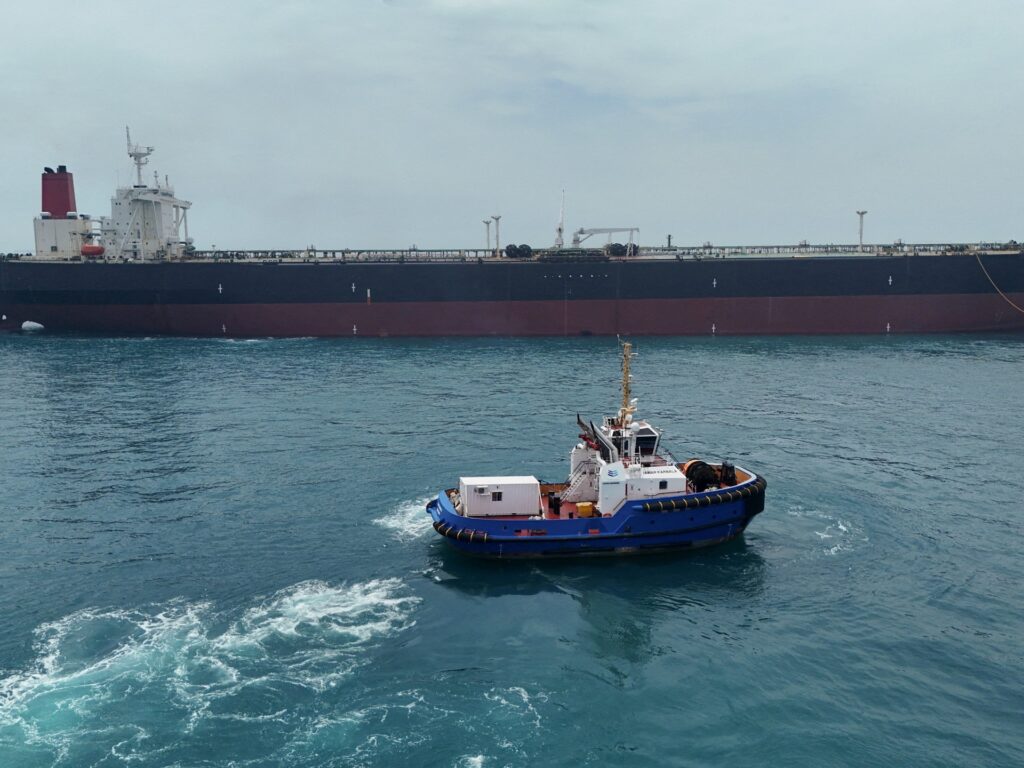
Brent crude has fallen to levels last seen before the Iran war as shipping through the Strait of Hormuz gradually resumes. The rebound in traffic follows a U.S.-Iran memorandum setting up 60 days of negotiations, though disputes over fees and vessel authorization remain.
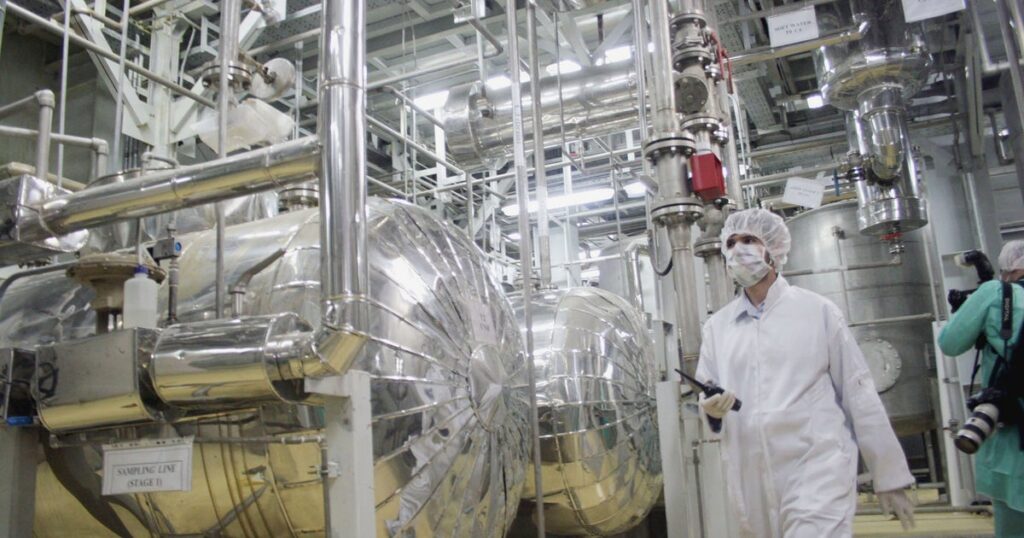
Iran denied U.S. claims that it had agreed to allow IAEA inspectors back to damaged nuclear sites, even as talks with Washington produced a 60-day roadmap for a final deal. The dispute comes as the U.S. temporarily eased oil sanctions and traffic through the Strait of Hormuz rose to its highest level since the war began.
Iranian President Masoud Pezeshkian is visiting Pakistan after U.S.-Iran talks in Switzerland produced a 60-day roadmap toward a possible war-ending deal. Disputes have already emerged over nuclear inspections and Israel’s freedom to act in Lebanon.
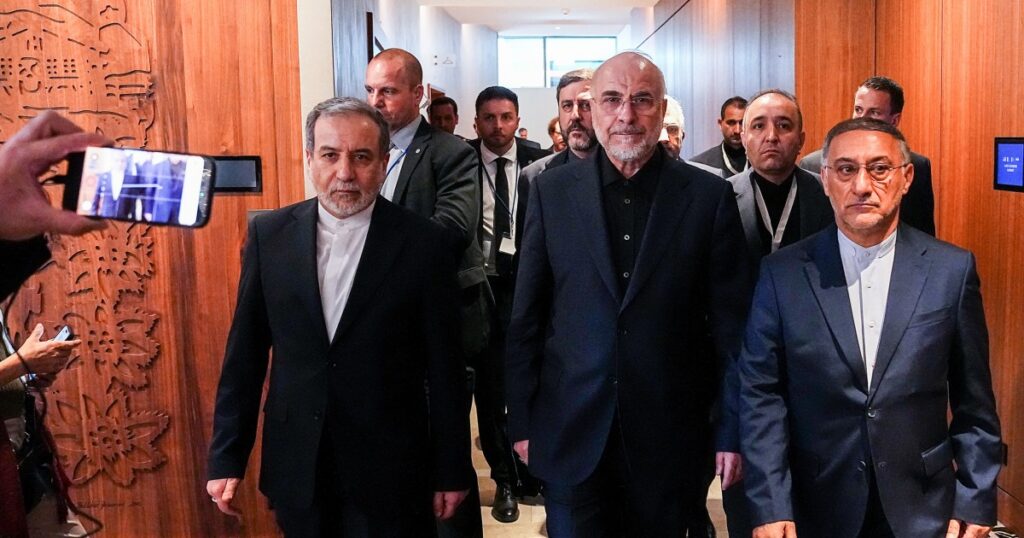
U.S.-Iran talks in Switzerland produced a roadmap for further negotiations, deconfliction channels for Lebanon and the Strait of Hormuz, and, according to JD Vance, a commitment to resume IAEA inspections. Iran cautioned that detailed nuclear negotiations have not yet begun.
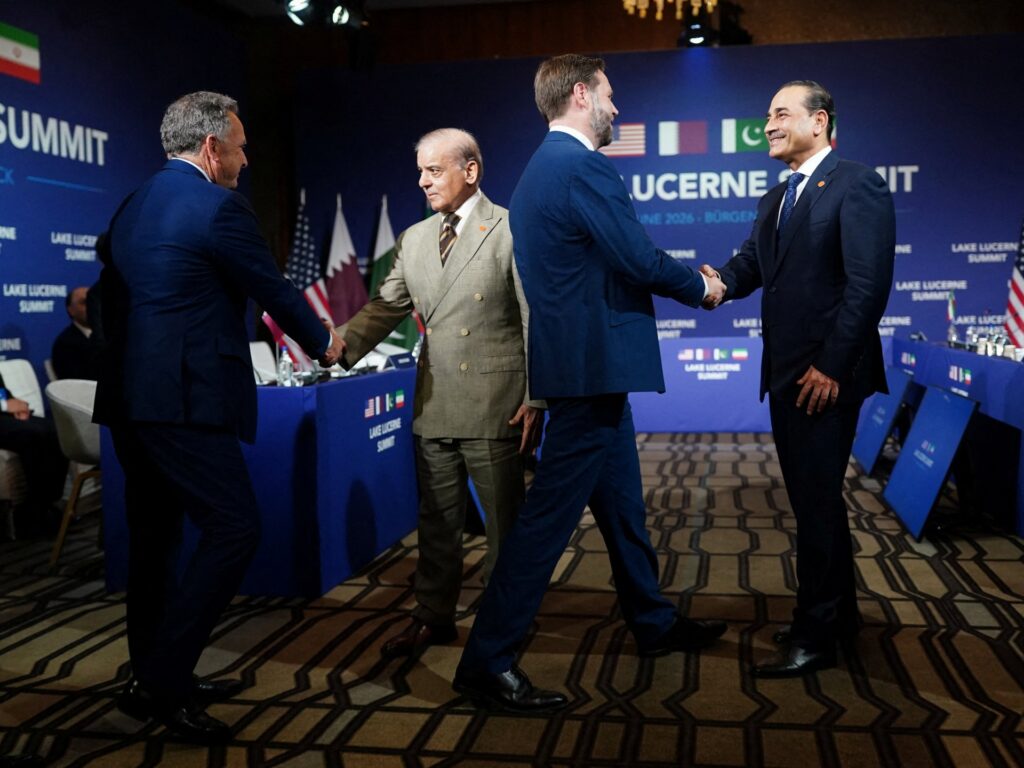
The United States and Iran agreed to a 60-day roadmap toward a final deal after talks in Switzerland mediated by Qatar and Pakistan. Technical talks will continue this week, with Lebanon, the Strait of Hormuz, sanctions relief and Iran’s nuclear program still on the table.
Trump threatened new strikes on Iran as Vice President JD Vance met Iranian officials in Switzerland to discuss a strained U.S.-Iran memorandum on Lebanon, the Strait of Hormuz and Iran’s nuclear program. Vance cited progress, while reports differed on whether the talks had broken down or were continuing.
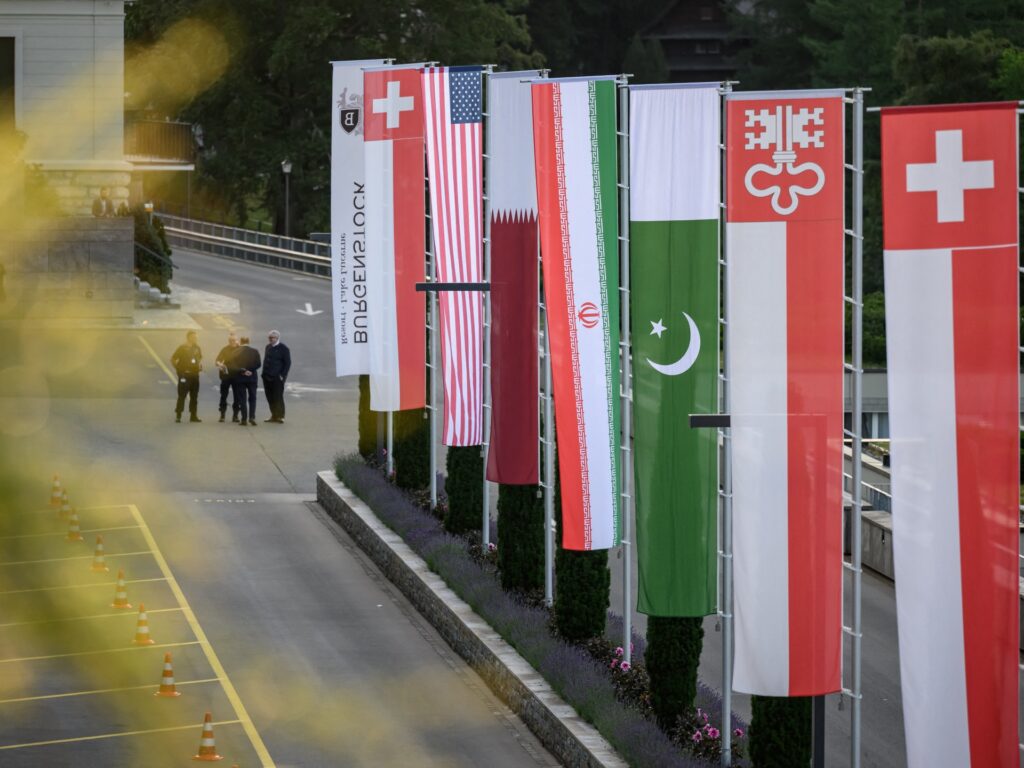
US and Iranian delegations are meeting in Switzerland after signing an initial agreement to end the war. The talks are already strained by continued fighting in Lebanon, disputes over the Strait of Hormuz and unresolved negotiations over Iran’s nuclear programme.