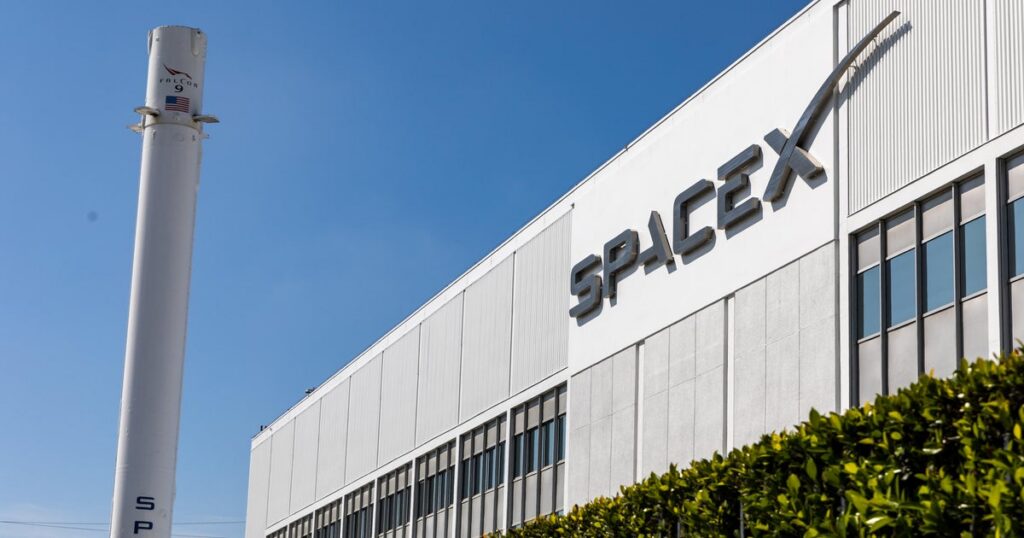
SpaceX files for an IPO without specifying fundraising goals, revealing financials and plans across space, satellite internet, and AI sectors.
Posts tagged as “Nasdaq”

The S&P 500 and Nasdaq hit record highs Wednesday as investors remain optimistic despite ongoing Iran conflict and rising energy prices. Strong corporate earnings and expectations of de-escalation in the Middle East have fueled the rally.

A ceasefire between the U.S. and Iran has eased tensions but gas prices remain high amid uncertainty over the Strait of Hormuz. Experts say any relief at the pump could take weeks and may reverse if the truce falters.

U.S. stocks fell sharply and oil prices surged after President Trump pledged continued strikes on Iran without outlining a ceasefire plan or reopening the Strait of Hormuz. The Dow dropped over 600 points as energy prices and inflation concerns rose.

President Donald Trump faces significant obstacles in advancing the U.S. military campaign against Iran due to uncertain congressional support and growing public opposition, with lawmakers demanding clearer justification and strategy. The conflict has also triggered economic repercussions, including stock market declines and soaring oil and gasoline prices, while Trump downplays these issues and temporarily halts attacks on Iran’s energy infrastructure. Concurrently, the administration is embroiled in controversies over election security, proposing ICE monitoring at polling places and facing criticism over Trump’s own mail-in voting, highlighting internal tensions ahead of the midterm elections.

U.S. stock markets surged on Monday after President Donald Trump announced a five-day delay in military strikes on Iranian power plants, easing fears of immediate conflict amid tensions over the Strait of Hormuz. The announcement led to a sharp decline in oil prices, though crude remains significantly higher than pre-conflict levels, contributing to rising gasoline costs in the U.S. Despite the temporary de-escalation, Iranian officials rejected dialogue with Washington, maintaining a tense diplomatic standoff.
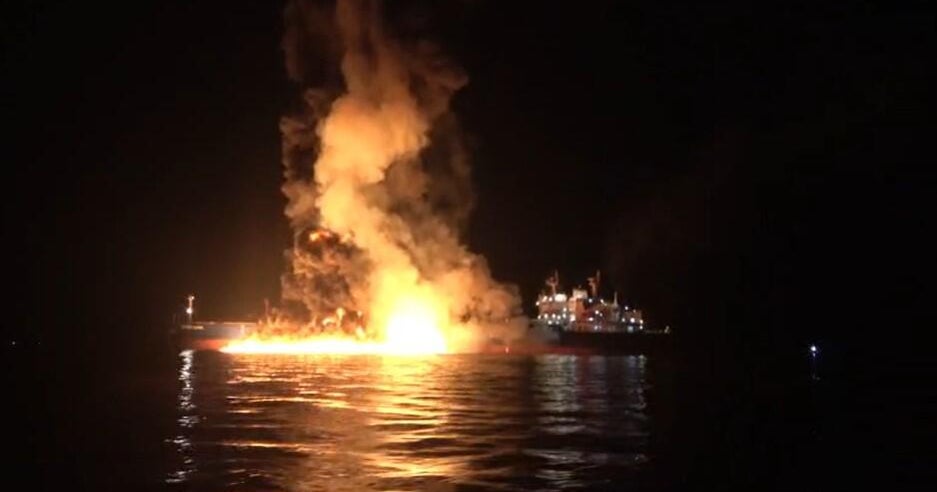
Oil prices surged sharply amid escalating conflict involving the U.S., Israel, and Iran, with Brent crude surpassing $100 per barrel due to disruptions in the critical Strait of Hormuz and attacks on oil infrastructure across the Gulf region. The crisis has led to significant economic impacts, including declines in U.S. stock markets, production shutdowns by major energy companies, and government measures such as fuel rationing in India and potential U.S. policy changes like a temporary Jones Act waiver and strategic oil reserve releases. Meanwhile, military actions have intensified, causing substantial casualties and prompting international efforts to address the escalating threats to global energy supplies and maritime security.
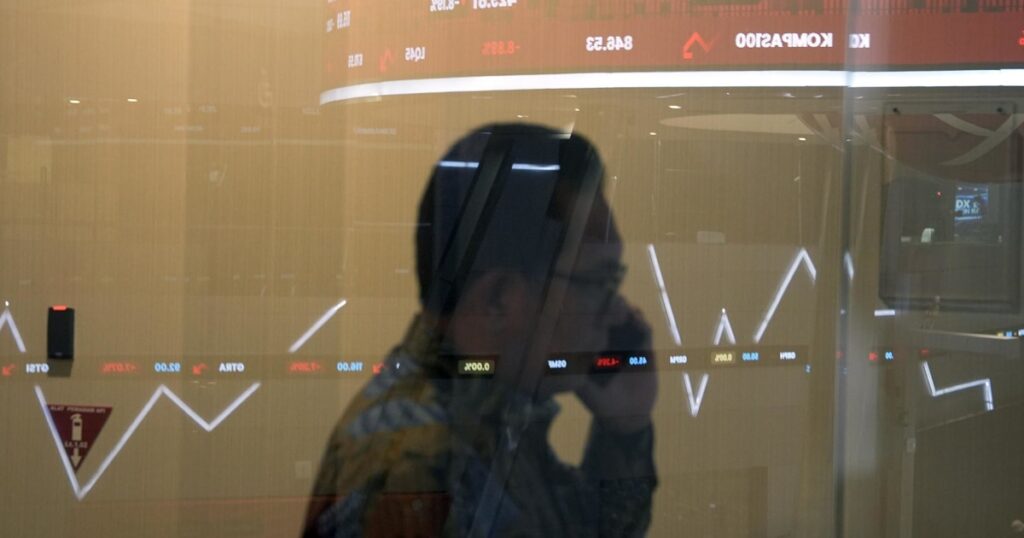
In pre-market trading on Tuesday, U.S. stock indices showed gains of 1% to 2%, reflecting similar positive movements in European and Asian markets despite ongoing U.S.-China trade tensions. The market's cautious optimism follows a volatile Monday session marked by sharp fluctuations due to uncertainty over potential tariffs and trade policies. Economists warn of the risk of a U.S. recession, advising caution as the trade disputes continue to unsettle global markets.