Key takeaways:
- SpaceX files for an IPO to trade under ticker SPCX on Nasdaq, with no specified fundraising amount.
- The company reported $18.6 billion revenue in 2025 and a $4.3 billion net loss for the quarter ended March 31.
- Elon Musk will retain 85% voting control and continue as CEO, chairman, and CTO after the IPO.
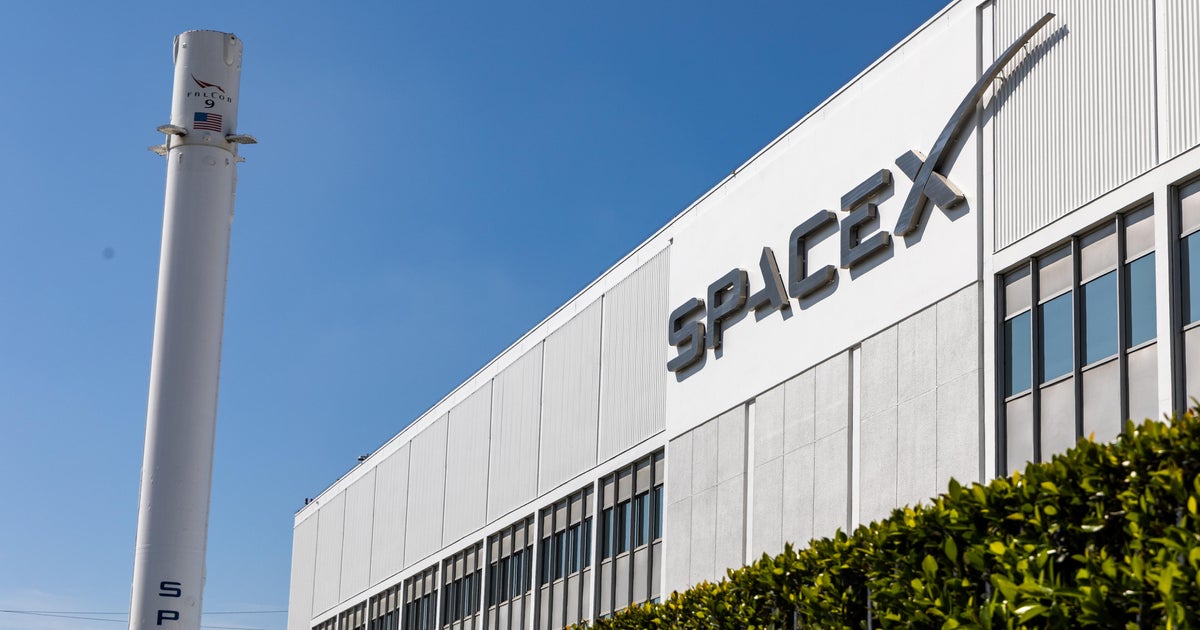
SpaceX, the aerospace company founded by Elon Musk, has filed for an initial public offering (IPO), marking its first move to offer shares to the public. The filing submitted to the Securities and Exchange Commission on Wednesday reveals key financial details and outlines the company’s ambitions across space exploration, satellite internet, and artificial intelligence.
The company will trade on the Nasdaq exchange under the ticker symbol “SPCX.” The filing does not specify how much SpaceX aims to raise, though previous estimates suggest the IPO could reach up to $75 billion, potentially making it the largest in history and surpassing Saudi Aramco’s $29.4 billion IPO in 2020.
Financial disclosures show SpaceX generated $18.6 billion in revenue in 2025, a 33% increase from the previous year. The company reported a net loss of $4.3 billion for the three months ended March 31, without specifying the year. Additionally, SpaceX generated nearly $4.7 billion in revenue in the first quarter of 2026.
CEO Elon Musk is expected to maintain significant control after the IPO, holding 85% voting power and continuing as CEO, chairman, and chief technology officer. The offering will allow retail investors to purchase shares through platforms such as Schwab, Fidelity, Robinhood, SoFi, and E*Trade.
SpaceX operates multiple business lines, including rocket launch services for clients like NASA and the U.S. Department of Defense. The company is developing an updated Starship megarocket, which has cost $15 billion to develop. However, the company faces operational risks highlighted by a recent fatal accident at its Texas facility and reports of numerous unreported worker injuries.
Starlink, SpaceX’s satellite internet service, has grown to 10.3 million subscribers, up from 5 million a year earlier. The service has expanded internationally through government and telecommunications partnerships but is generating less revenue per user due to lower-priced plans outside North America.
SpaceX also owns xAI, Musk’s artificial intelligence startup acquired in February and now integrated into SpaceX. The filing notes ongoing investigations into xAI’s Grok chatbot related to nonconsensual sexualized deepfakes, which could pose legal and reputational risks. Musk acknowledges xAI as a smaller player compared to AI leaders like Anthropic, Google, and OpenAI. SpaceX recently signed a deal to sell data center capacity to Anthropic.
Additionally, SpaceX owns X, the social media platform formerly known as Twitter, which reported 6.3 million active paid subscribers as of March. The company aims to evolve X into an “Everything App,” integrating communications, media, payments, and commerce.
The IPO is a significant test of investor appetite for Musk’s ventures amid his controversial public profile and Tesla’s recent business challenges. If SpaceX achieves a $2 trillion valuation, it would rank among the world’s top 10 most valuable companies, surpassing Tesla’s $1.3 trillion market capitalization.
The offering is being led by Goldman Sachs and Morgan Stanley, with 23 major banks involved, reflecting the deal’s unprecedented scale. The funds raised could support Musk’s ambitious projects, including future Mars missions.















Be First to Comment