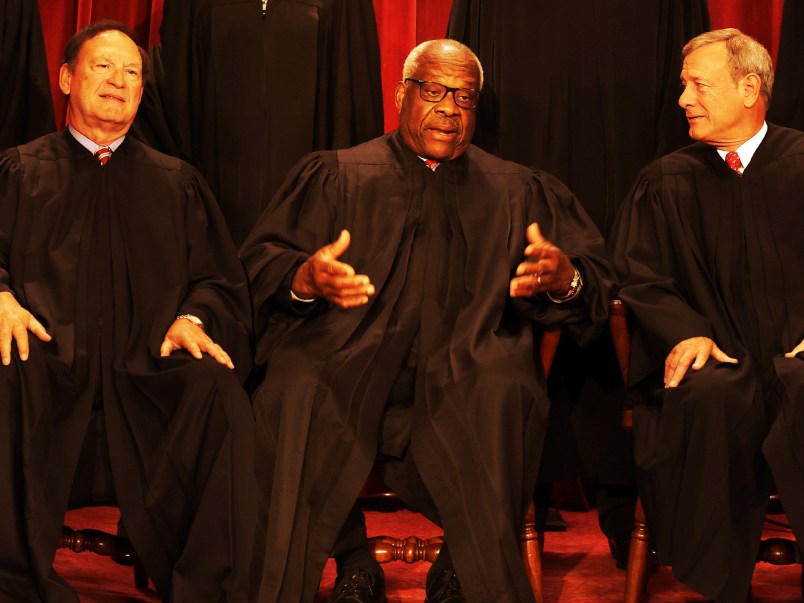
The Supreme Court has allowed Alabama to use a new congressional map with only one majority-Black district, sending the case back to a lower court amid ongoing voting rights litigation. The decision follows a recent ruling weakening the Voting Rights Act.
Posts tagged as “Ketanji Brown Jackson”
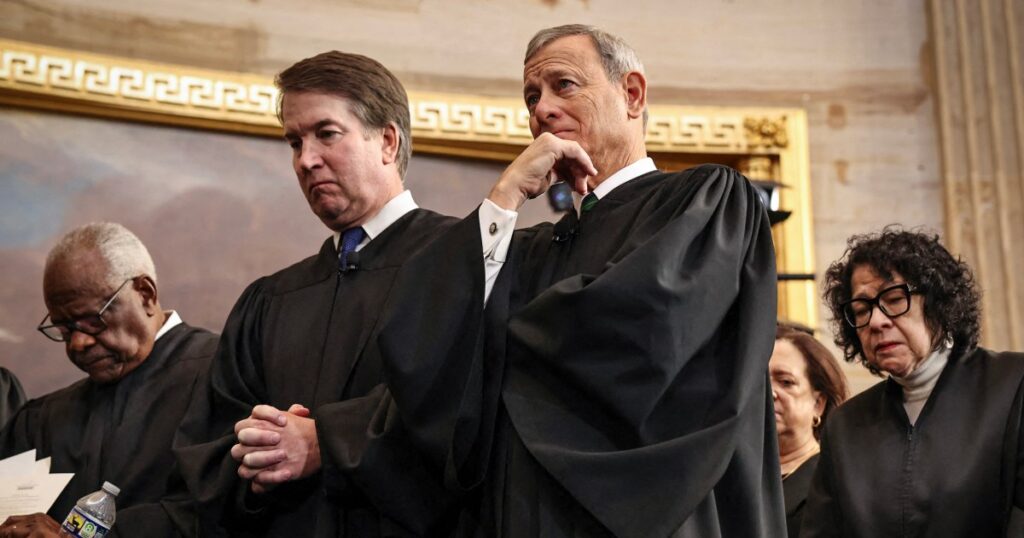
Justice Sonia Sotomayor apologized for critical remarks about Justice Brett Kavanaugh's upbringing following a dispute over immigration enforcement rulings. The rare public clash highlights growing tensions within the Supreme Court.
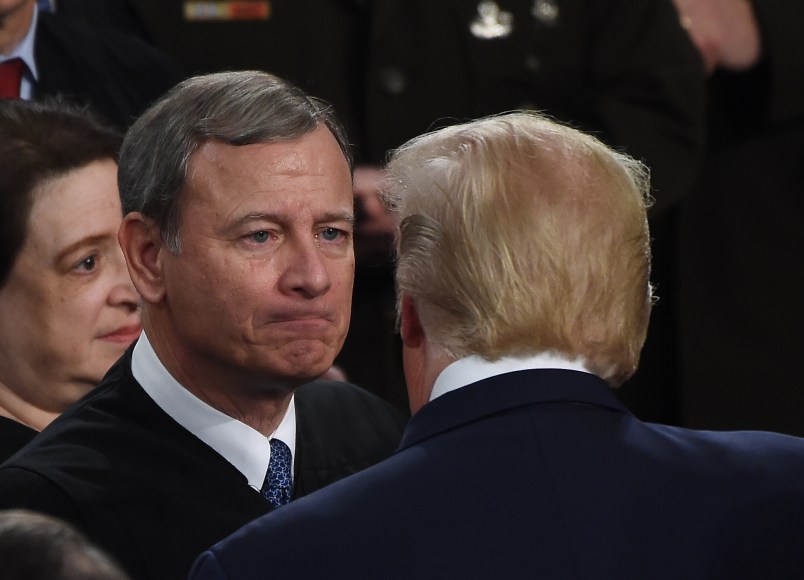
The U.S. Supreme Court heard arguments in Trump v. Barbara, a case challenging President Trump’s executive order to end birthright citizenship for children born in the U.S. to undocumented immigrants, focusing on the interpretation of the 14th Amendment’s Citizenship Clause. Justices expressed skepticism about the administration’s narrow reading of “subject to the jurisdiction thereof,” with several questioning the practicality and historical basis of excluding children of undocumented parents from citizenship. The Court’s forthcoming decision could significantly impact immigration policy and constitutional rights, with indications that a majority may uphold the longstanding broad protections of birthright citizenship.
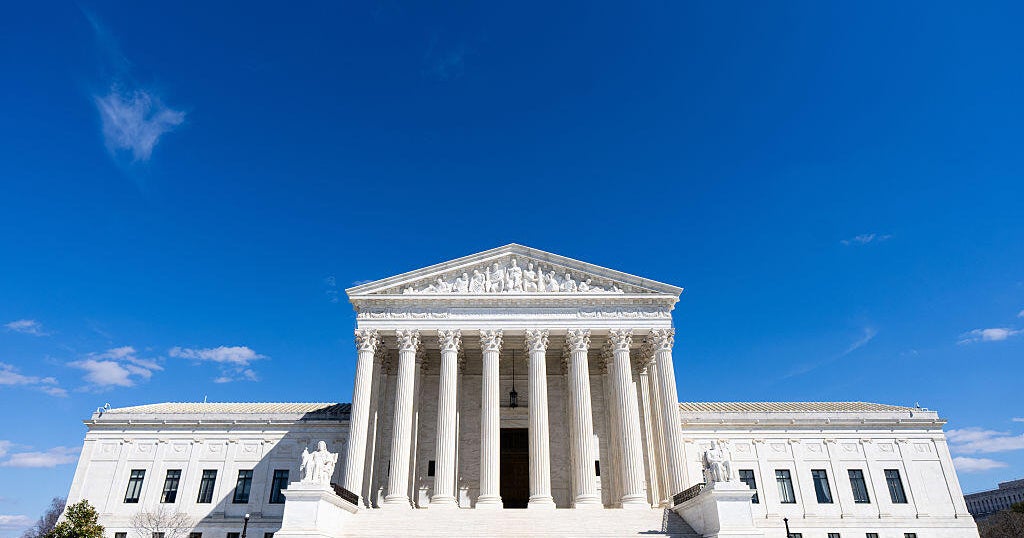
The U.S. Supreme Court ruled 8-1 that Colorado's ban on conversion therapy for minors violates the First Amendment by regulating speech based on viewpoint rather than professional conduct. The decision, authored by Justice Gorsuch, emphasized that the law censors speech and sent the case back to lower courts for further review under stricter constitutional scrutiny. Justice Ketanji Brown Jackson dissented, warning the ruling could hinder states' ability to regulate medical professionals and protect patients, highlighting the ongoing conflict between free speech rights and LGBTQ protections.
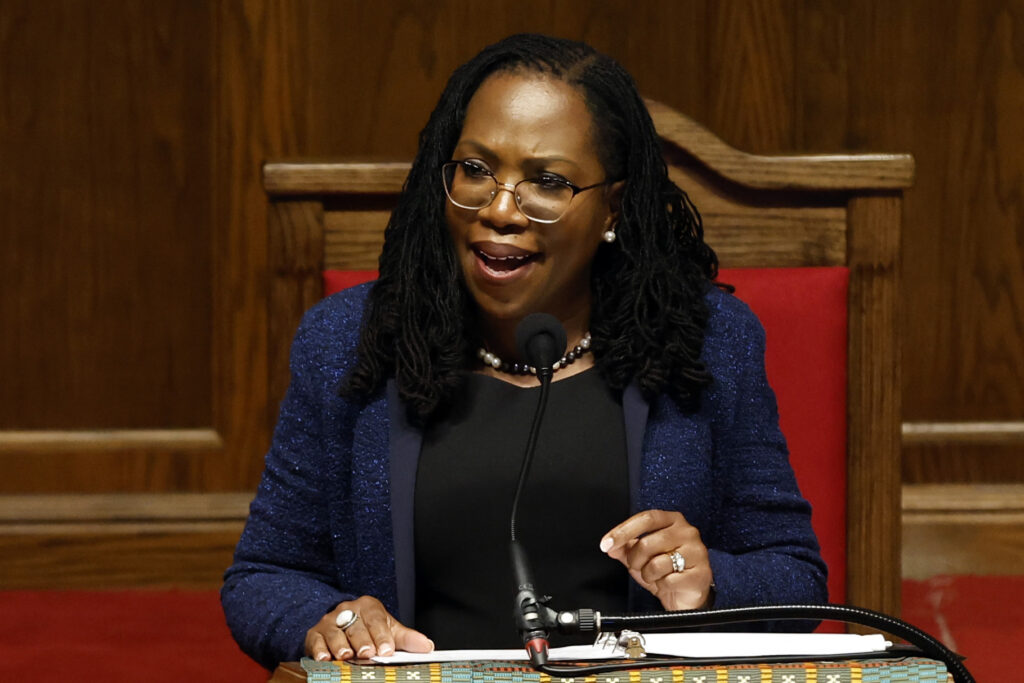
Key takeaways: The Supreme Court declined to revive the district court hearing to craft a new Louisiana congressional map. Justice Ketanji Brown Jackson clarified that…
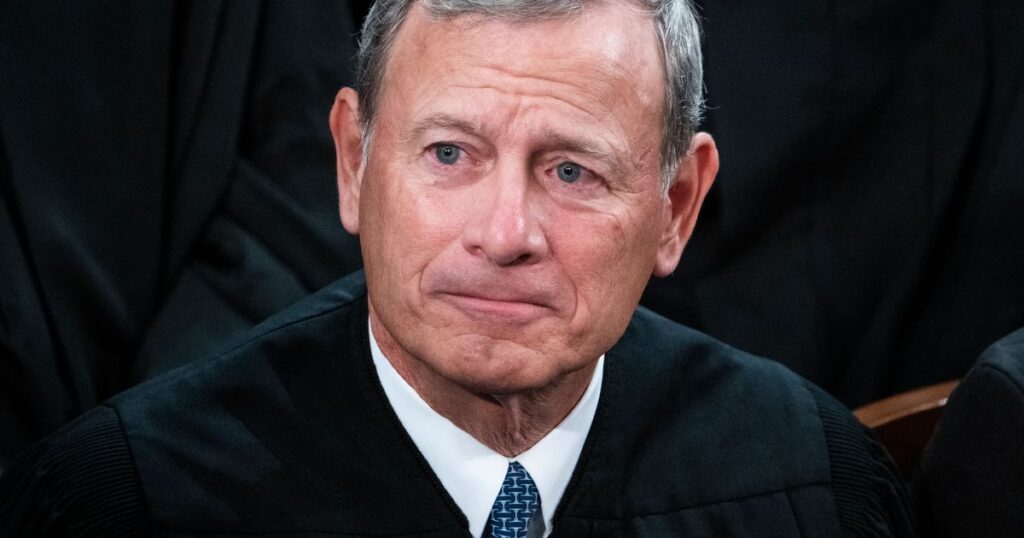
The Supreme Court's decision to reject affirmative action in higher education has been met with sharp criticism from two of the court's liberal justices and civil rights groups. The ruling is likely to reshape how higher education institutions consider applicants, as they can no longer use race as a factor in admissions. NAACP President Derrick Johnson argued that the decision will make it more difficult for students of color to access higher education, and called on Congress to pass legislation to protect affirmative action in higher education.
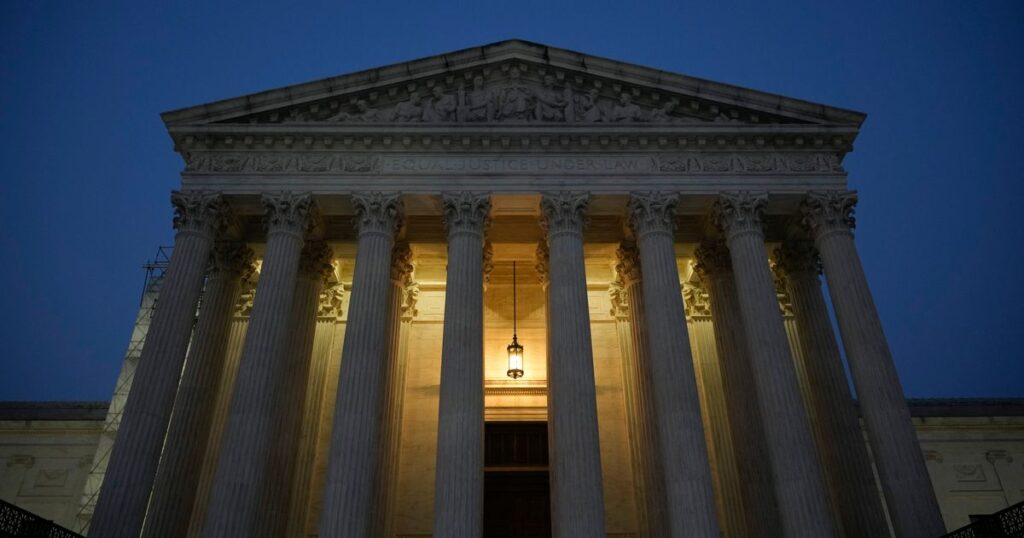
The Supreme Court issued a 6-3 ruling on Thursday that race-conscious admission programs at two colleges were unconstitutional, with Chief Justice John Roberts arguing that it violated the 14th Amendment's equal protection clause. Justice Sonia Sotomayor wrote the primary dissent, joined by Justice Elena Kagan, and Justice Ketanji Brown Jackson also penned a separate dissent, joined by Kagan. The ruling has been met with criticism from civil rights groups, and is likely to have far-reaching implications for universities across the country.
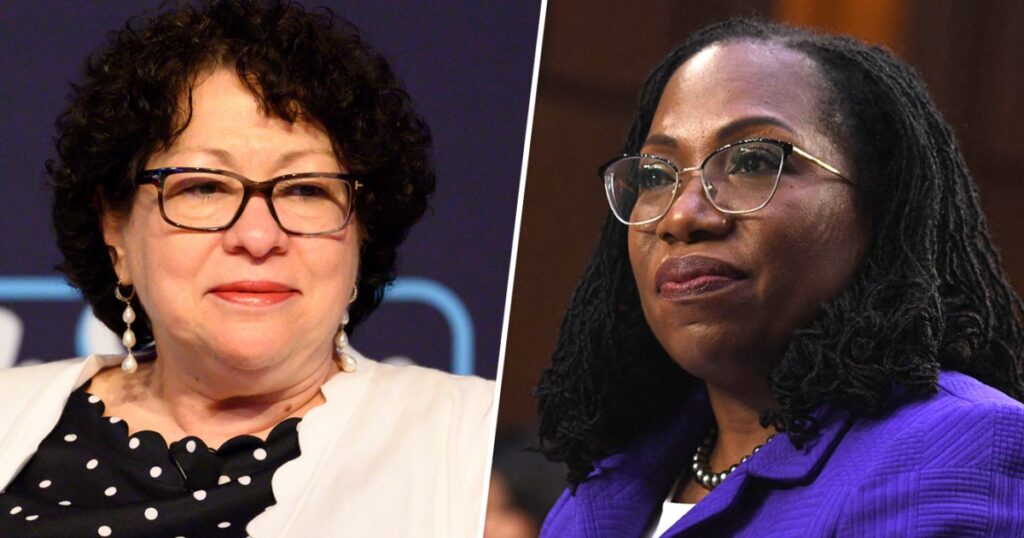
The Supreme Court has ruled that the use of affirmative action in college admissions is unconstitutional, with Chief Justice John Roberts writing the majority opinion and Justice Sonia Sotomayor writing a dissenting opinion. This decision is likely to have a significant impact on college admissions, as many institutions have long relied on affirmative action as a way to promote diversity on campus.