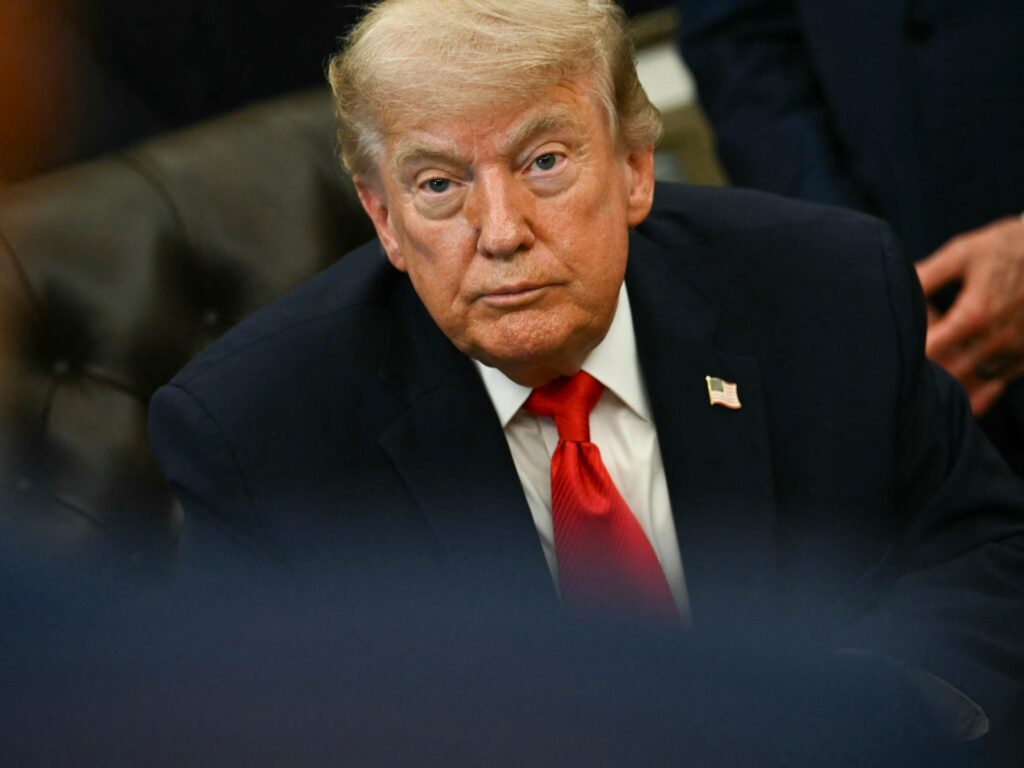
Trump rejected Iranian media reports describing alleged terms of a possible ceasefire agreement, calling them fake and unrelated to what had been agreed. Iranian and U.S. accounts differed sharply over sanctions relief, frozen assets, the Strait of Hormuz and Iran’s nuclear program.
Posts tagged as “JD Vance”
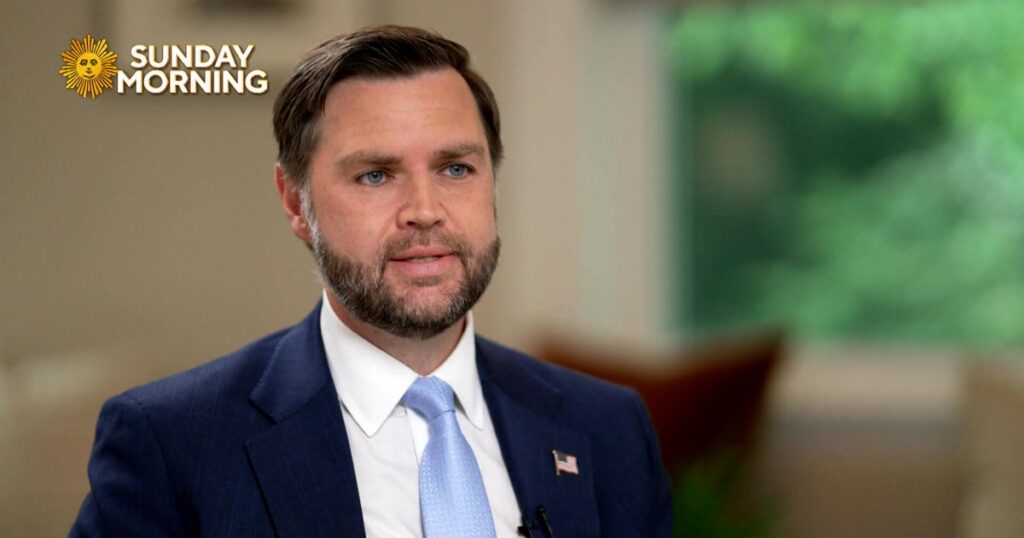
Vice President JD Vance said the United States is “very close” to a long-term nuclear deal with Iran, though an agreement could come next week or months from now. His comments came as tensions rose after an Apache helicopter crashed near the Strait of Hormuz and U.S. forces reportedly launched retaliatory strikes.
David Lammy said he told JD Vance the murder of Henry Nowak “has got nothing to do with mass migration.” Vance’s remarks have drawn criticism from Downing Street as police conduct in the case remains under investigation.
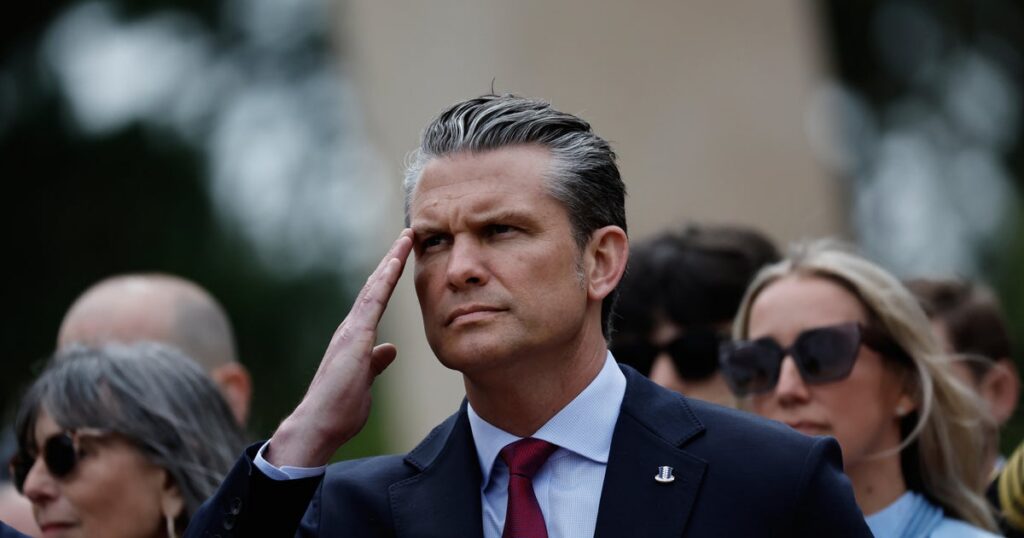
Defense Secretary Pete Hegseth used a D-Day ceremony in Normandy to criticize European migration policy, describing arrivals by boat as an “invasion.” His remarks followed similar criticism from Trump administration officials and drew on warnings in the administration’s security strategy.
Downing Street accused unnamed figures of interfering in British democracy after JD Vance linked Henry Nowak’s murder to mass migration. The prime minister’s office said Nowak’s family had asked that his death not be used to create division.
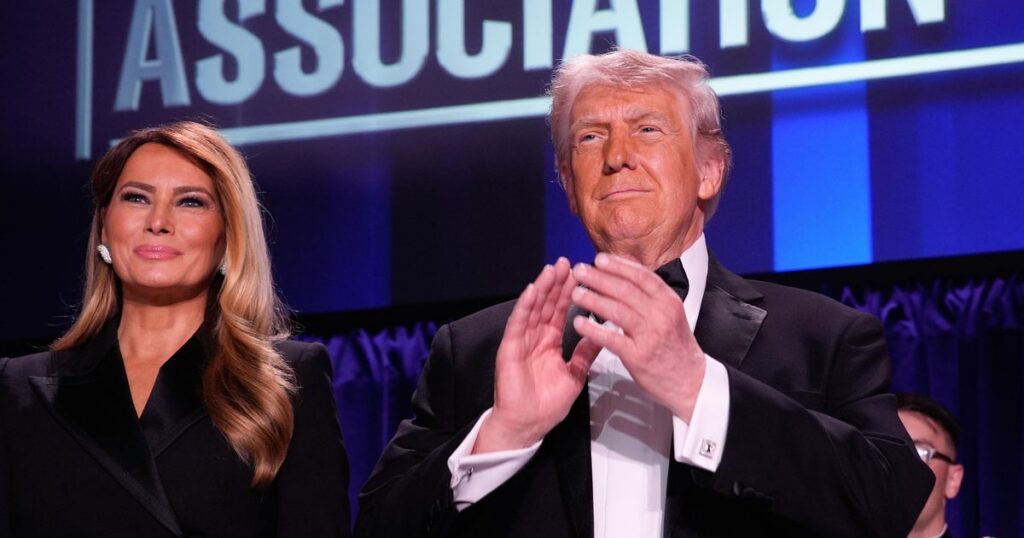
The White House Correspondents’ Association will reschedule its annual dinner for July 24 after gunfire disrupted the April 25 event. President Trump says he will attend and speak at the smaller gathering, which organizers say will have enhanced security.
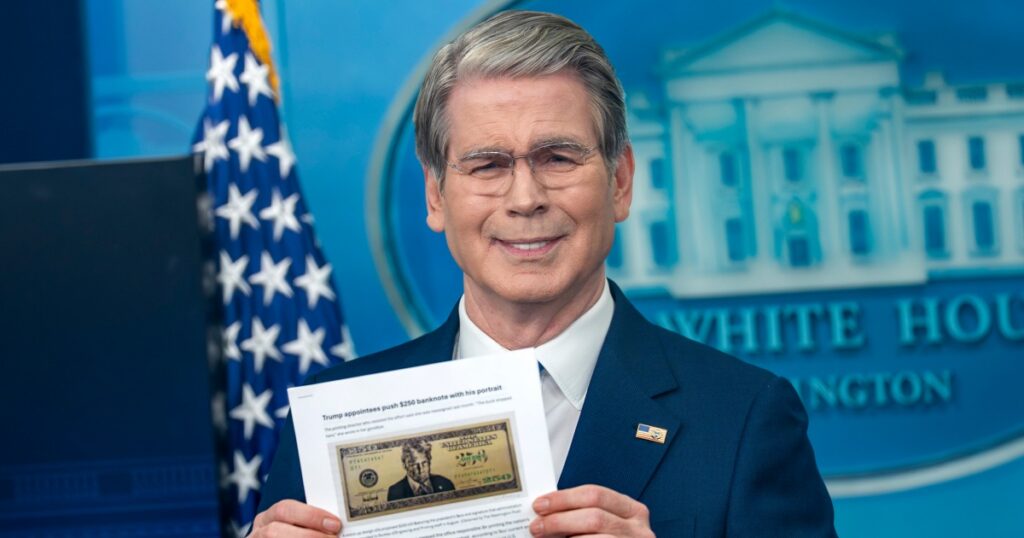
The Treasury Department is preparing a $250 bill featuring President Donald Trump’s portrait, pending congressional approval. The bill would be the first U.S. currency to depict a living person in over 150 years as part of the nation’s 250th anniversary celebrations.
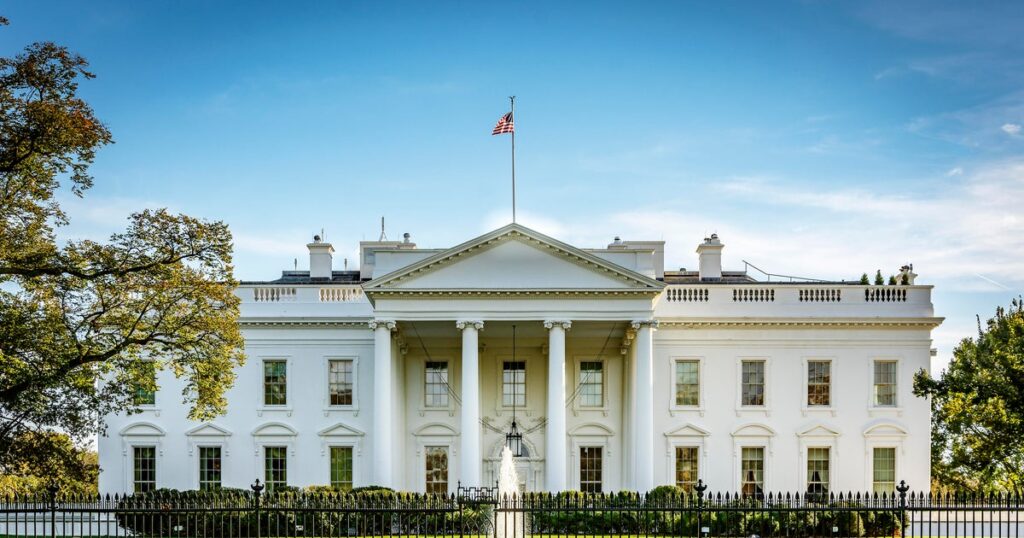
The White House was briefly locked down Saturday evening after 20 to 30 gunshots were heard nearby. The Secret Service and FBI responded, and the lockdown was lifted within an hour.