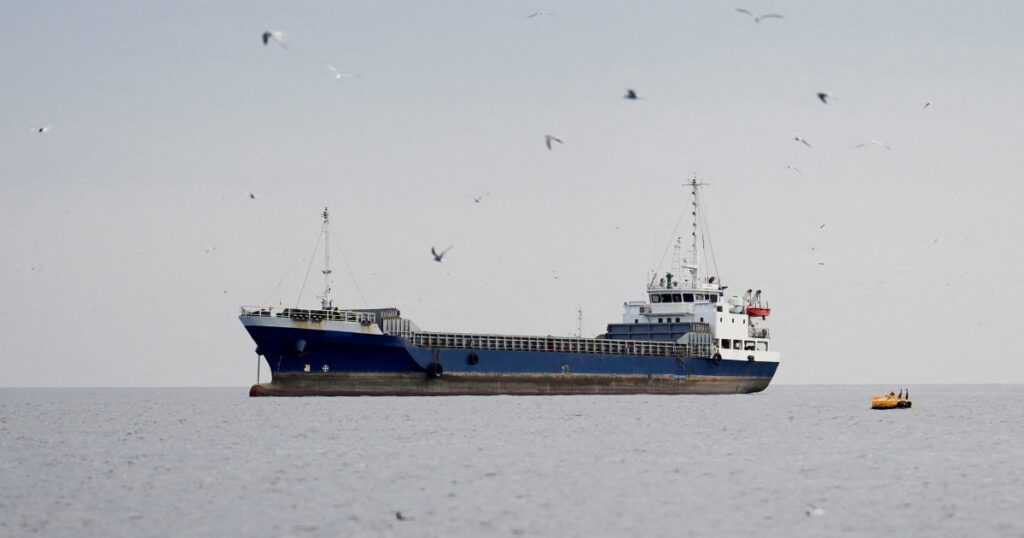
Oil prices fell sharply after Iran declared the Strait of Hormuz open amid a Middle East ceasefire, easing fears of supply disruptions. The announcement boosted global stock markets and lowered U.S. gasoline prices, though uncertainties remain about shipping security and ongoing U.S.-Iran tensions.
Posts tagged as “Hormuz Security Force”
The U.S. will begin blockading ships entering and exiting Iranian ports in the Strait of Hormuz on Monday, escalating tensions after failed peace talks with Iran. The move has sent oil prices soaring and drawn mixed responses from international allies.
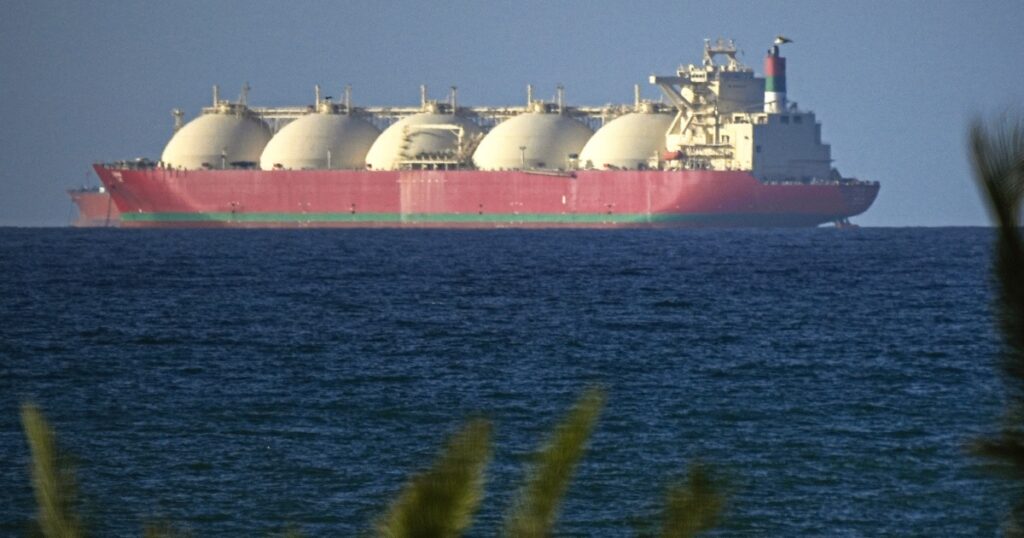
Despite a ceasefire between the US and Iran, traffic through the Strait of Hormuz remains far below normal levels, with only a handful of ships passing through the crucial oil shipping route. Iran’s restrictions and regional tensions continue to complicate safe passage.
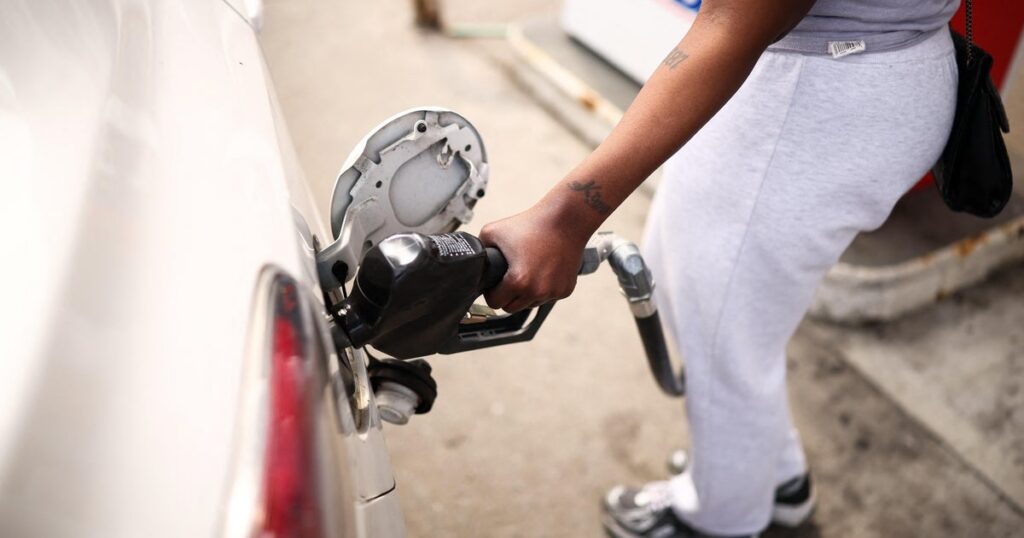
A ceasefire between the U.S. and Iran has eased tensions but gas prices remain high amid uncertainty over the Strait of Hormuz. Experts say any relief at the pump could take weeks and may reverse if the truce falters.

Stocks surged and oil prices plunged after a two-week ceasefire was announced between the U.S. and Iran, easing fears of a prolonged energy crisis. Despite the positive market reaction, analysts caution that uncertainty remains about the future of shipping through the Strait of Hormuz and the durability of the ceasefire.

U.S. stocks fell sharply and oil prices surged after President Trump pledged continued strikes on Iran without outlining a ceasefire plan or reopening the Strait of Hormuz. The Dow dropped over 600 points as energy prices and inflation concerns rose.
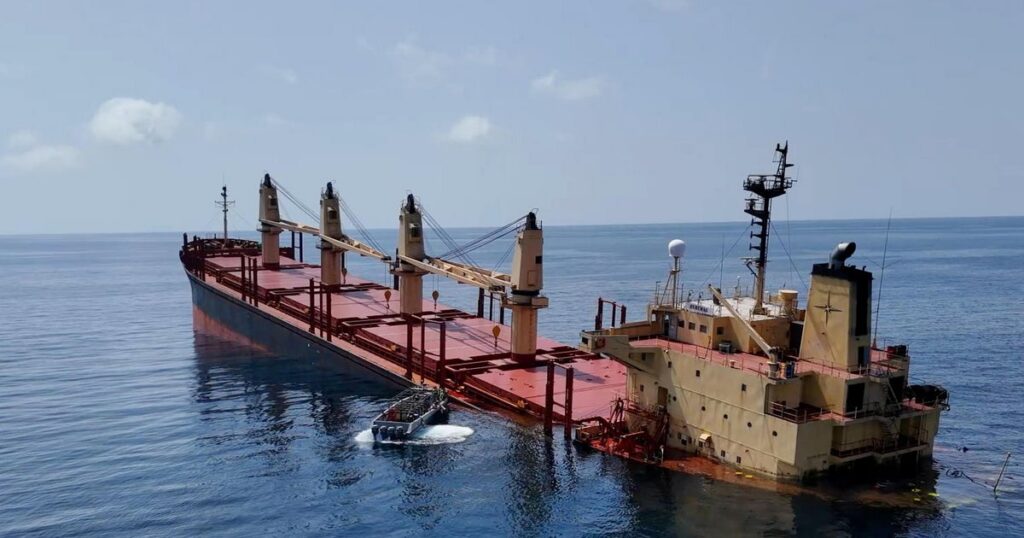
Iran’s Revolutionary Guard Corps has declared the Strait of Hormuz closed to unauthorized ships, significantly disrupting a key maritime route that handles about 20% of the world’s crude oil and causing Brent crude prices to surge above $110 per barrel. Iran has enforced this closure by turning back vessels, imposing hefty fees near Larak Island, and is considering formal legislation for these charges, while also hinting at threats to the Bab el-Mandeb Strait, another critical shipping lane. The closure and ongoing conflict have stranded around 20,000 seafarers in the region, led to casualties, and prompted calls from the UAE for a multinational force to secure the strait and stabilize global energy markets.