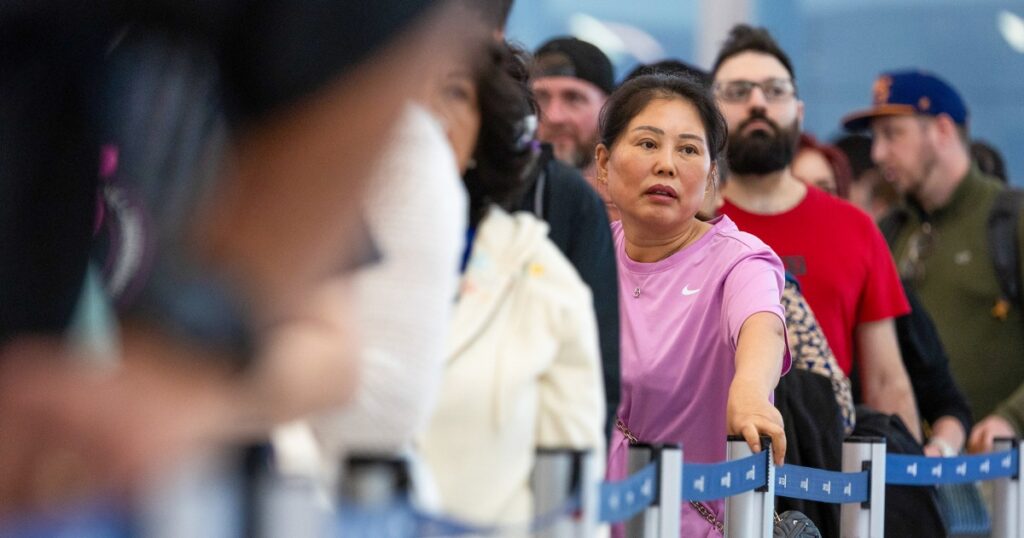
Bipartisan talks to end the partial shutdown of the Department of Homeland Security (DHS) saw progress during a recent meeting between senators and the White House’s border czar, Tom Homan, though no agreement was reached. The shutdown, which began February 14, has caused significant disruptions, including unpaid federal workers and TSA staffing shortages leading to airport delays. Despite proposals from the administration to negotiate on immigration enforcement reforms, Democrats insist on substantial changes to ICE policies before funding DHS, while Republicans demand funding the entire department, leaving the standoff unresolved as the Senate’s recess approaches.
Posts tagged as “George Washington University Hospital”
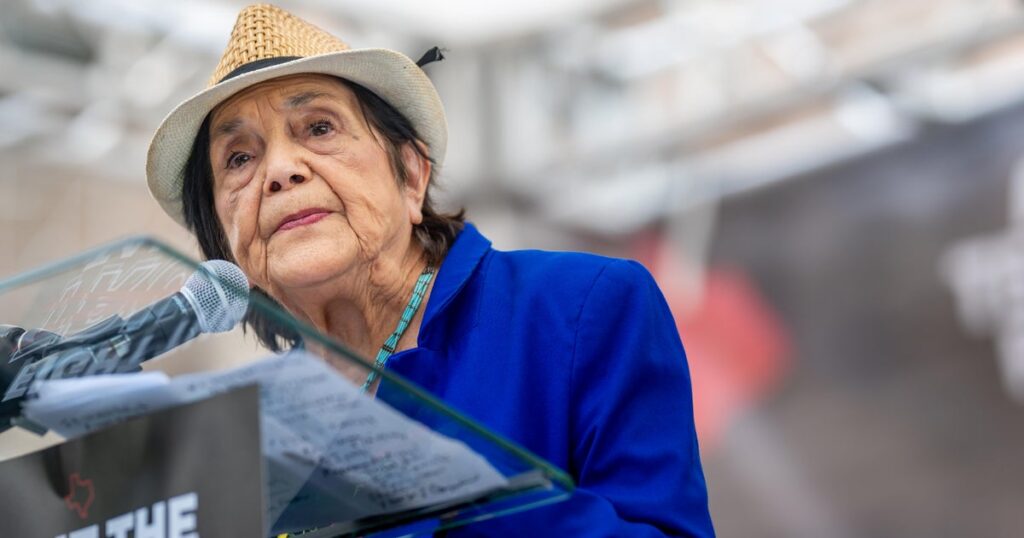
Labor leader Dolores Huerta has accused the late Cesar Chavez, co-founder of the United Farm Workers, of sexually abusing her twice in the 1960s, corroborating recent allegations that Chavez also molested other young women and minors. Huerta revealed she kept silent for decades to protect the farmworker movement but now identifies as a survivor and condemns Chavez’s actions, while the UFW and related organizations have distanced themselves from his legacy. The allegations have sparked shock and sadness, leading to cancellations of Cesar Chavez Day events and raising significant concerns within the Mexican American and Latino communities.
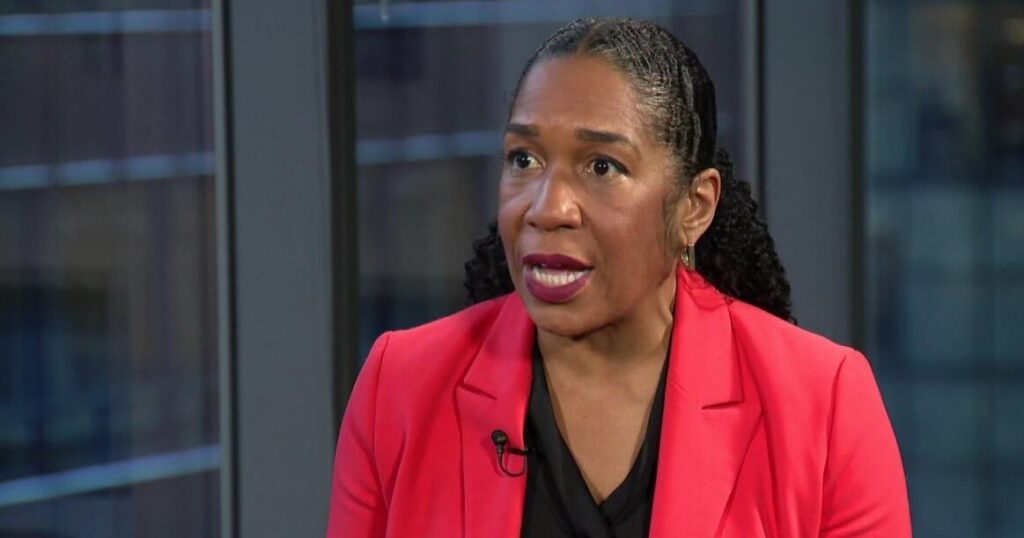
Illinois Lieutenant Governor Juliana Stratton is projected to have won the Democratic primary for the U.S. Senate seat being vacated by Senator Dick Durbin, leading a field of 10 candidates with about 39.4% of the vote. Stratton, supported by significant outside spending from Governor J.B. Pritzker’s PAC, campaigned as a progressive advocating for Medicare for All, a $25 minimum wage, and the abolition of ICE, positioning herself as a strong opponent to former President Trump and Senate leadership. If elected, she would become the sixth Black woman in the U.S. Senate and face Republican Don Tracy in the November general election for a seat historically favoring Democrats.

Ukrainian President Volodymyr Zelenskyy is ready to resume trilateral peace talks with Russia and the U.S., but the timing and location hinge on an agreement between Washington and Moscow, with recent talks postponed due to the Middle East conflict. Ukraine is also leveraging its extensive drone warfare expertise, developed through years of combat against Russian attacks, to assist other countries facing similar threats, while urgently seeking additional air defense systems amid concerns over depleted stockpiles. Meanwhile, regional tensions rise as Iran warns Ukraine against involvement in Middle Eastern drone conflicts, complicating Kyiv’s diplomatic and military efforts.

The United States has temporarily eased sanctions on Russian oil, allowing the purchase of petroleum products already loaded onto ships before the announcement, aiming to ease global energy market disruptions caused by conflicts in the Middle East. Treasury Secretary Scott Bessent emphasized the measure is narrowly tailored to avoid benefiting Russia financially and to increase existing supply amid restricted shipping through the Strait of Hormuz. While Russia welcomed the move as stabilizing global markets, European governments and some U.S. lawmakers criticized it for potentially strengthening Russia’s position and undermining sanctions related to the Ukraine conflict.
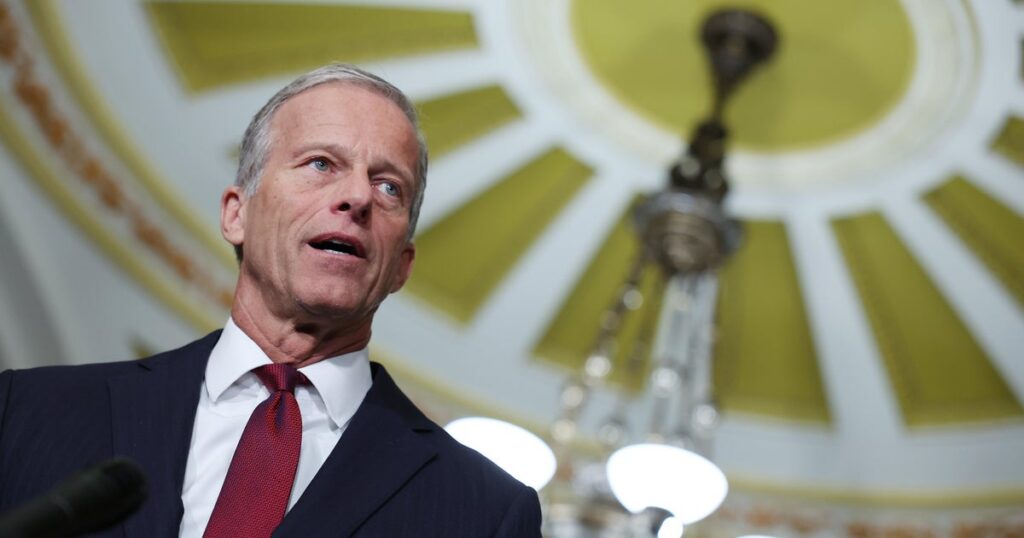
The U.S. Senate remains deadlocked over funding the Department of Homeland Security due to sharp disagreements between Democrats and Republicans on immigration enforcement reforms, resulting in a partial government shutdown lasting nearly a month. Democrats demand reforms such as body cameras and identification for immigration agents following fatal shootings, while Republicans resist these changes and accuse Democrats of stalling negotiations. The impasse has caused operational disruptions, including TSA workers missing paychecks and increased absenteeism, with no clear resolution in sight as both parties continue behind-the-scenes talks amid mounting pressure.
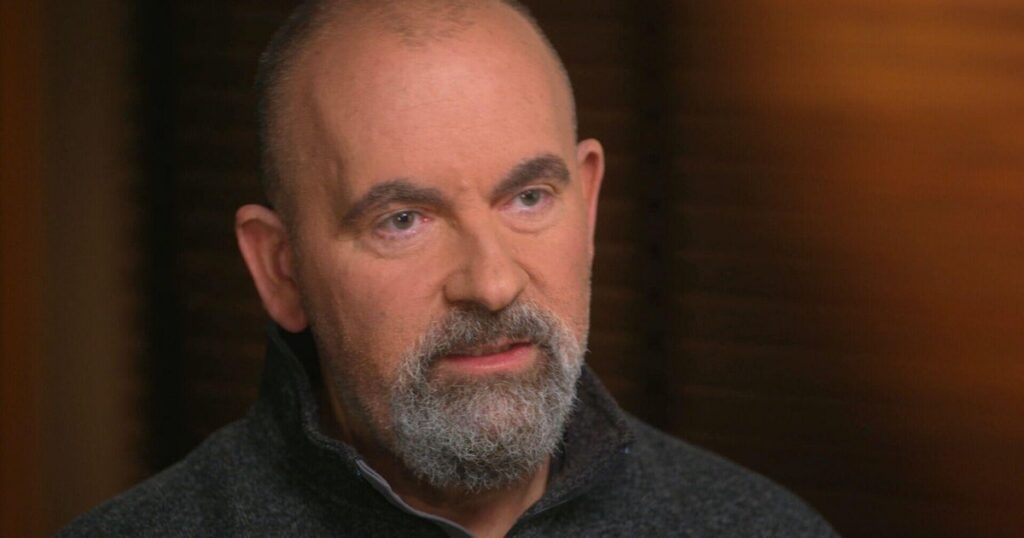
A classified U.S. intelligence mission has reportedly obtained a previously unknown weapon potentially linked to Havana Syndrome, a mysterious condition causing neurological symptoms in diplomats and government personnel since 2016. Medical research suggests that radiofrequency or microwave energy may explain these injuries, supported by animal testing of the weapon at a military base, despite official government skepticism. Meanwhile, the Department of Justice faces multiple internal controversies and investigations, including disciplinary reviews and probes into election-related matters, reflecting ongoing federal legal and political challenges.

Ed Martin, the Justice Department’s new pardon attorney, has begun reviewing pardon applications for several January 6 defendants, including Oath Keepers founder Stewart Rhodes and prominent Proud Boys members, following discussions with their attorneys. While former President Trump granted pardons to many Jan. 6 defendants, some key figures only received commutations, and the current review process aims for a more measured and fair approach, with input from former clemency recipient Alice Johnson. Meanwhile, ongoing legal and political challenges related to the Trump administration’s legacy continue, including disputes over executive power, election investigations, and immigration litigation.