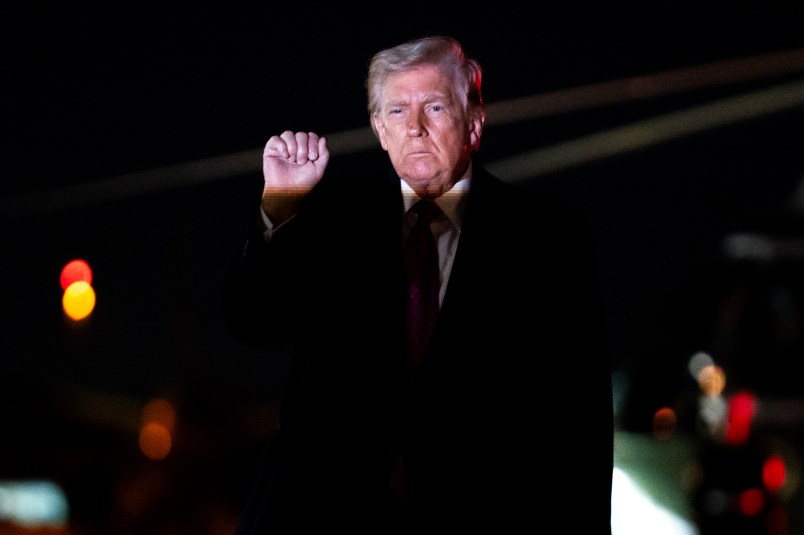
The Department of Homeland Security is undergoing the longest federal shutdown in U.S. history due to deep Republican divisions and unclear White House guidance, with Senate and House leaders unable to agree on funding measures. The shutdown has caused operational disruptions at airports and intensified partisan blame, while some Republicans and former President Trump have called for ending the filibuster to pass funding without Democratic support. Meanwhile, tensions in the Middle East escalate as President Trump threatens severe actions against Iran amid stalled peace talks, raising concerns about further military conflict and global economic impacts.
Posts tagged as “George Washington University Hospital”

Recent challenges in U.S. air travel include TSA staffing shortages and delays caused by a Department of Homeland Security shutdown, which left TSA workers unpaid until President Trump ordered back pay. Safety concerns have intensified following a fatal midair collision near Washington, D.C., highlighting overcrowded airspace and systemic issues at Ronald Reagan Washington National Airport. These problems, compounded by political gridlock and increasing passenger volumes, have prompted calls for comprehensive reforms to improve aviation security and safety.

A federal judge in California has blocked the Trump administration from designating AI company Anthropic as a "supply chain risk" and banning federal use of its technology, ruling the government's actions likely unlawful and arbitrary. The dispute arose after Anthropic restricted military use of its AI for surveillance and autonomous weapons, leading to the Pentagon’s prohibition and a presidential order to cease using its services. The injunction restores the status quo pending appeal, allowing agencies to choose AI providers freely while Anthropic continues legal challenges against what it calls retaliatory government actions.
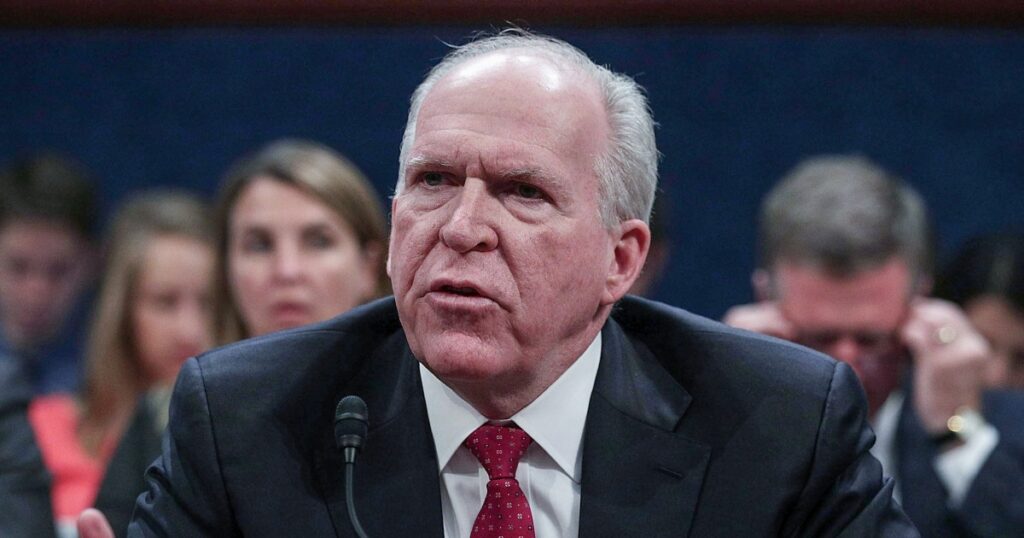
Minnesota has sued the Trump administration’s DOJ and DHS for obstructing investigations into three shootings involving federal officers during Operation Metro Surge, alleging withheld evidence and blocked access to critical information. The lawsuit claims violations of the Administrative Procedure Act and the 10th Amendment, with state officials denied access to key evidence and identities of involved federal agents. Separately, the DOJ has requested classified records related to former CIA Director John Brennan amid a grand jury investigation into his role in the 2016 Russia interference assessment, drawing criticism from Brennan’s legal team and political allies.
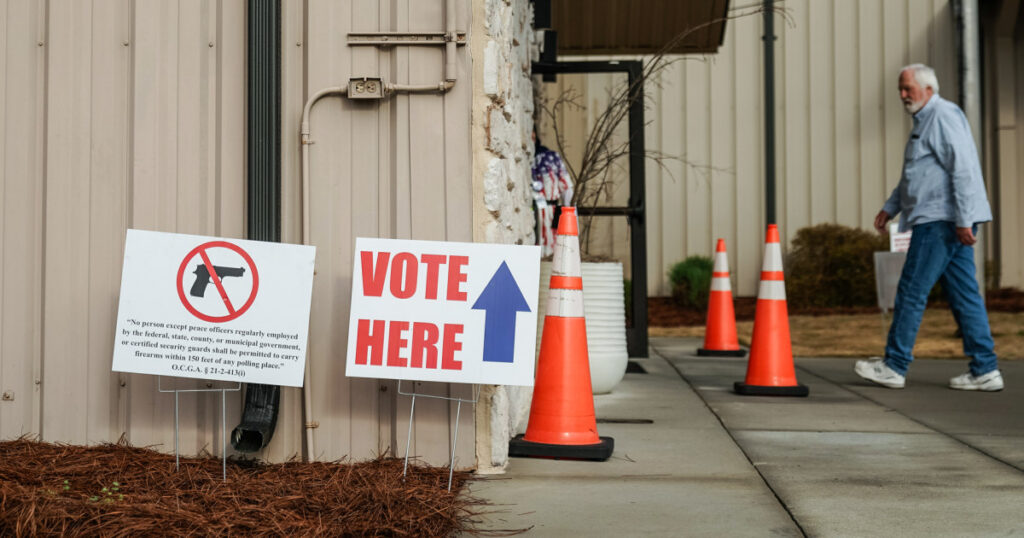
In April, several key elections—including special congressional races in Georgia and New Jersey, a Wisconsin Supreme Court contest, and a Virginia redistricting referendum—will test party strengths and influence the U.S. political landscape. Meanwhile, the Department of Homeland Security remains partially shut down due to partisan disputes, with Senate Republicans and former President Trump clashing over funding tied to controversial voting legislation. These events highlight the ongoing challenges in bipartisan cooperation amid a highly polarized political environment.
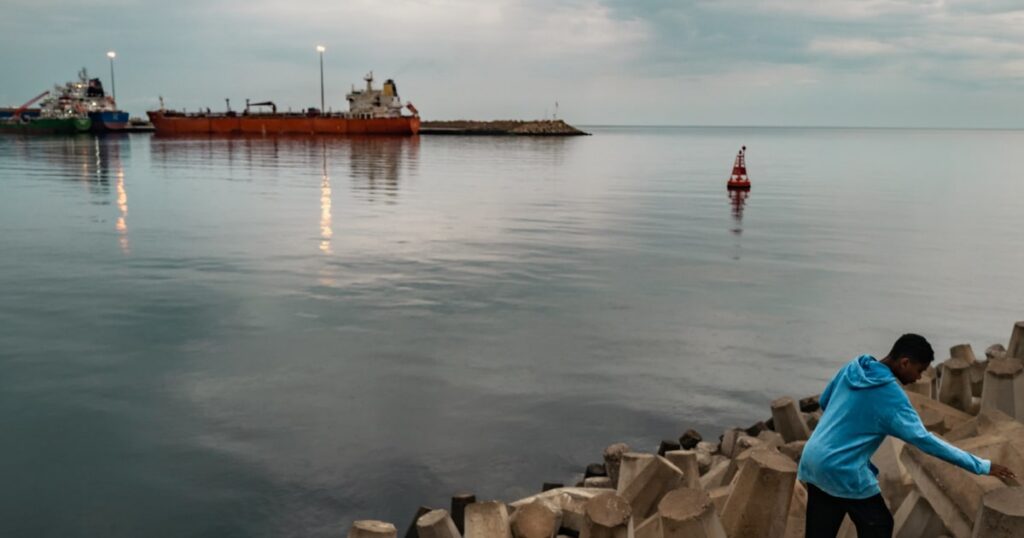
Amid escalating conflict between Iran and Israel following U.S. and Israeli strikes, diplomatic efforts involving indirect talks facilitated by Pakistan and other regional players have reportedly begun, though official confirmations remain pending. The war has caused over 2,000 deaths, displaced millions, and disrupted global energy markets, pushing Brent crude oil prices above $100 a barrel amid fears of supply shortages. Despite ongoing hostilities marked by missile strikes and air raids, U.S. President Donald Trump expressed cautious optimism about potential negotiations, while regional tensions and economic risks continue to mount.
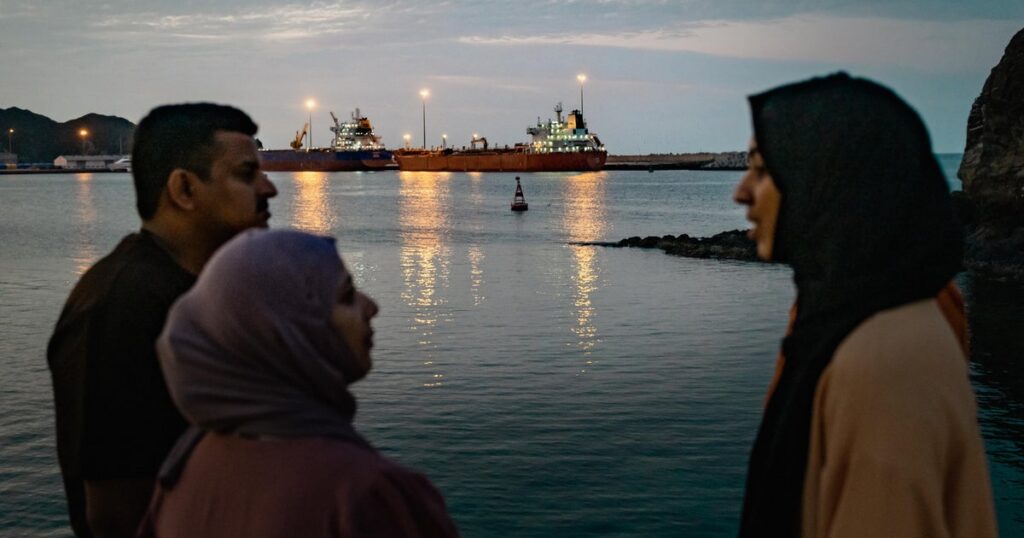
President Donald Trump postponed his ultimatum for Iran to reopen the Strait of Hormuz, citing ongoing "good and productive" negotiations amid escalating regional tensions and threats of military strikes. Iran denied direct talks with the U.S., accusing Washington of initiating the conflict and dismissing claims of missile attacks, while international markets reacted positively to the delay with rising stock futures and falling oil prices. The conflict has caused significant casualties in Iran, prompted internal crackdowns, and led to cautious diplomatic responses, with U.S. officials defending their hardline stance as necessary to de-escalate the situation.
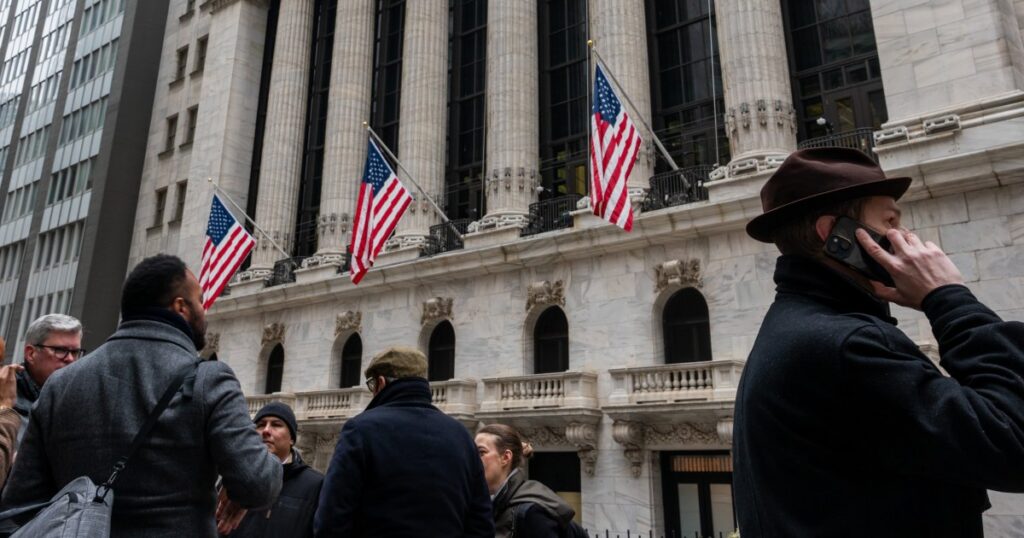
U.S. stock markets surged on Monday after President Donald Trump announced a five-day delay in military strikes on Iranian power plants, easing fears of immediate conflict amid tensions over the Strait of Hormuz. The announcement led to a sharp decline in oil prices, though crude remains significantly higher than pre-conflict levels, contributing to rising gasoline costs in the U.S. Despite the temporary de-escalation, Iranian officials rejected dialogue with Washington, maintaining a tense diplomatic standoff.