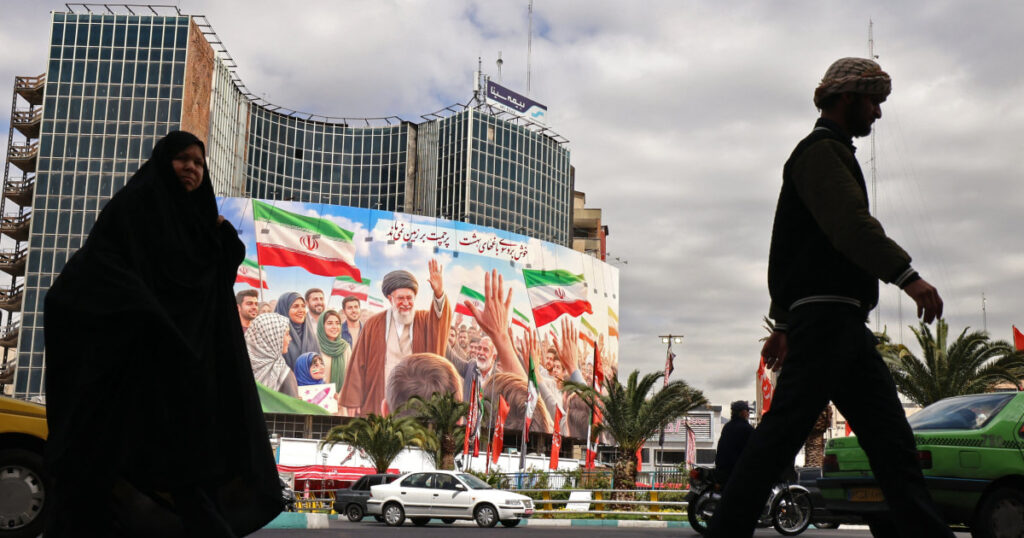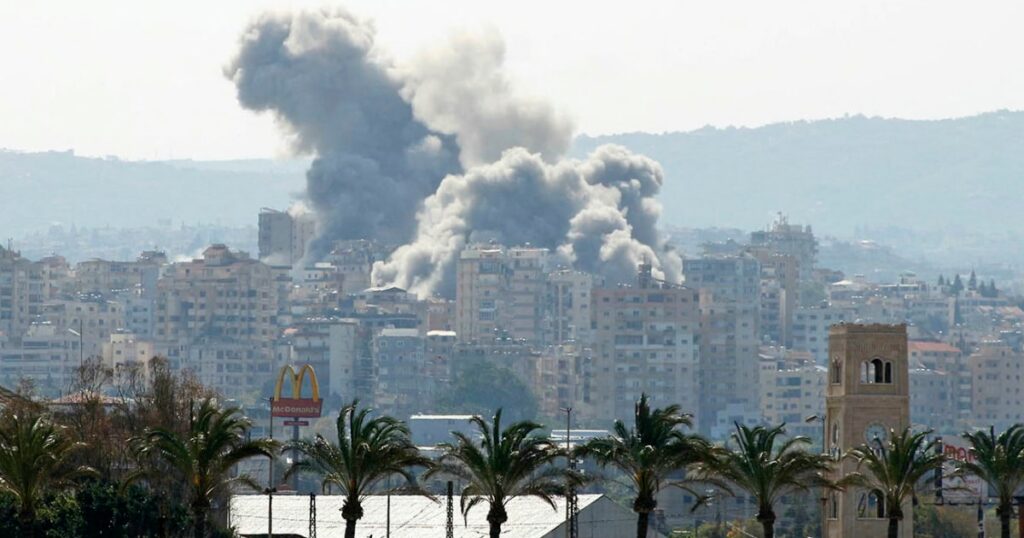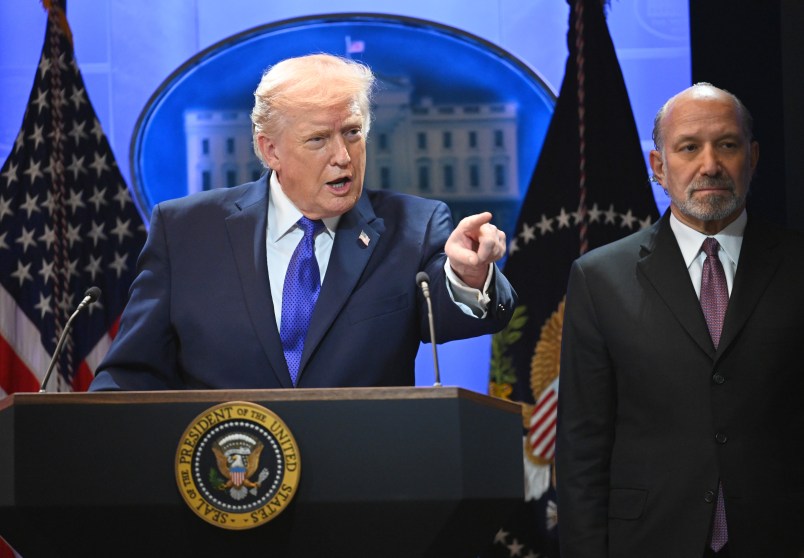
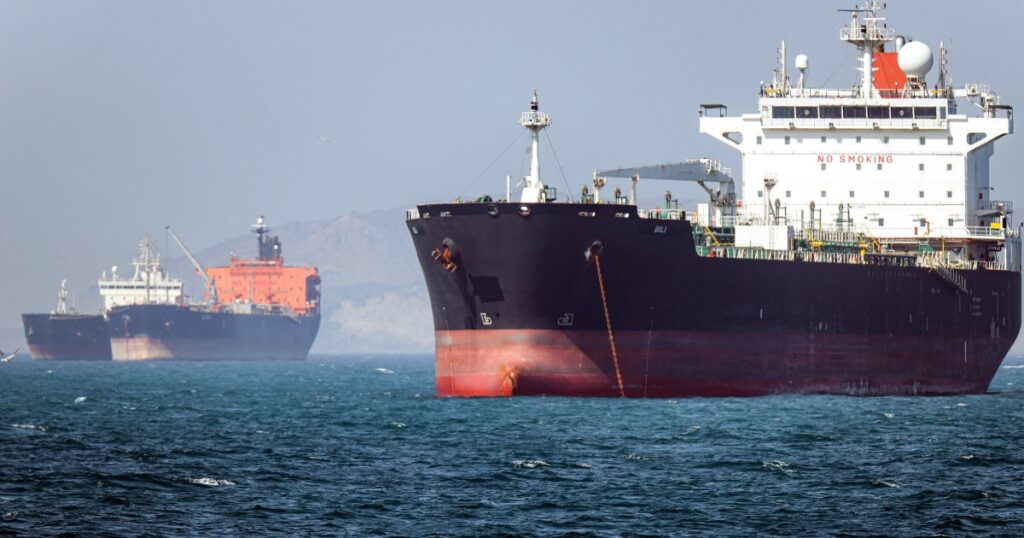
The U.S. government, through the International Development Finance Corporation (DFC), has launched a new initiative to provide political risk insurance for ships navigating the Persian Gulf amid escalating attacks and rising insurance premiums. This program, in partnership with insurer Chubb, aims to ensure the continued flow of energy supplies through the Strait of Hormuz by covering losses up to $20 billion, addressing the withdrawal of private war risk coverage. The move responds to recent vessel attacks that have drastically reduced maritime traffic and driven up global oil prices, though it raises concerns about potential financial risks for American taxpayers and the scope of coverage for non-U.S. ships.
Posts tagged as “Debate Clause of the United States Constitution”
Podcaster Joe Rogan criticized President Trump’s military strikes against Iran, calling the action contradictory to Trump’s campaign promises and questioning the unclear rationale behind the operation. Public opposition to the conflict is widespread, with polls showing a majority of Americans disapprove and even some conservative voices expressing skepticism about the war’s alignment with the “America First” agenda. The administration’s inconsistent messaging has deepened political divisions and eroded support within Trump’s base, raising concerns that continued opposition could pressure the president to reconsider the conflict.
The International Energy Agency (IEA) announced a historic release of 400 million barrels of oil from emergency reserves to counter soaring energy prices caused by the closure of the Strait of Hormuz amid tensions with Iran. This unprecedented collective action by 32 member countries aims to mitigate significant supply disruptions, though analysts warn it may only provide limited short-term relief given the scale of the deficit and logistical delays. The situation remains volatile, with sustained price stability dependent on reopening the crucial maritime route and securing long-term energy supply solutions.
Seven members of the Iranian women's national soccer team were granted humanitarian visas and chose to remain in Australia amid escalating conflict in the Middle East, while the rest of the team returned to Iran after being eliminated from the Asian Women’s Cup. The situation sparked international attention, with concerns over the players' safety, protests in Australia, and criticism from figures like former U.S. President Donald Trump, contrasted by Iranian officials denying any danger and accusing Australia of interfering. The Asian Football Confederation confirmed the team’s relocation to Malaysia and pledged support during their stay.
Rising gas prices in the U.S., driven by disruptions in oil shipments through the Strait of Hormuz amid the Iran conflict, have prompted discussions about releasing oil from the Strategic Petroleum Reserve (SPR) to stabilize the market. Although the SPR holds significant reserves, experts warn its impact may be limited due to the time required to release oil and the scale of supply disruptions, while G7 finance ministers have yet to agree on coordinated action. Meanwhile, oil prices remain volatile amid mixed signals about U.S. naval escorts in the region, and officials are exploring various policy options, though a lasting solution depends on reopening the Strait of Hormuz.
Oil prices have surged due to the escalating Middle East conflict, which has disrupted shipping through the strategic Strait of Hormuz and drawn significant military attention from the U.S. and its allies. Russia has emerged as a key beneficiary of rising energy prices, potentially increasing its oil revenues and military spending amid the ongoing Ukraine war. Meanwhile, the conflict intensifies with attacks on Gulf countries, heightened regional military deployments, and diplomatic efforts to support affected nations and maintain global energy security.
President Donald Trump described the U.S.-Iran conflict as nearing its end, claiming significant damage to Iran’s military and warning against any attempts to block navigation in the Strait of Hormuz. Speaking from his Florida golf club amid political gatherings, he framed the military action as a necessary, short-term effort to eliminate threats, while acknowledging American casualties and expressing resolve to continue the campaign. Despite Trump’s optimistic tone, the Department of Defense emphasized that the fight is ongoing and vowed to show “no mercy.”