
Kuwait said an Iranian missile and drone attack hit its international airport, killing one person and wounding others, as U.S. and Iranian forces traded strikes. President Trump denied Iranian media reports that indirect talks had stopped, saying negotiations were continuing.
Posts tagged as “Debate Clause of the United States Constitution”
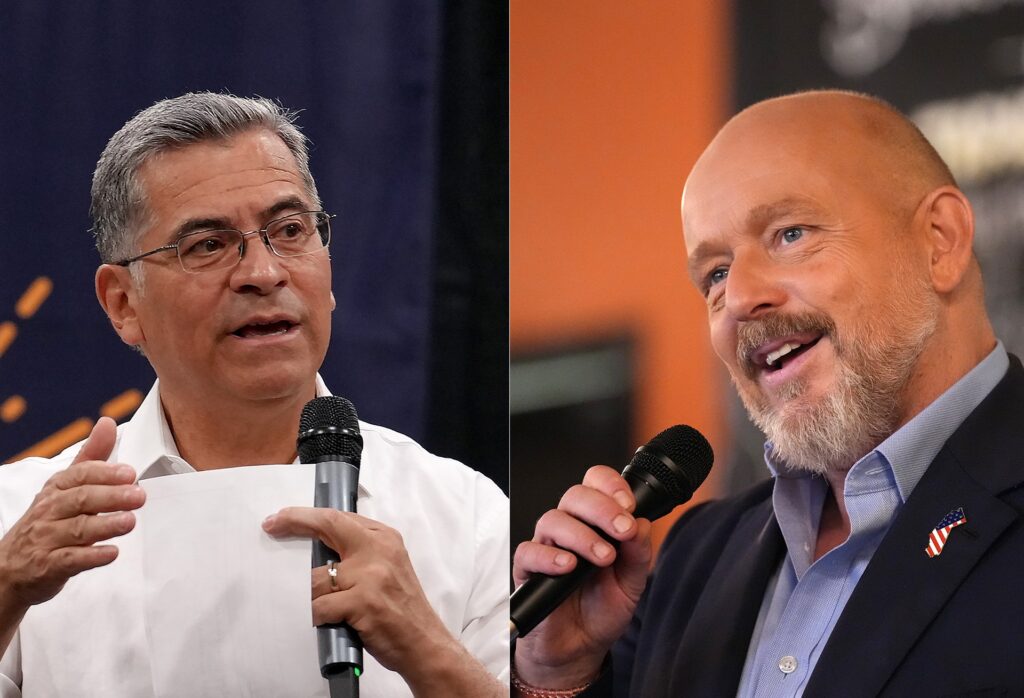
California’s crowded governor primary remained unresolved, with Xavier Becerra and Steve Hilton leading as votes were counted. Primaries in Iowa, New Jersey, New Mexico, Montana and South Dakota also set key November matchups.
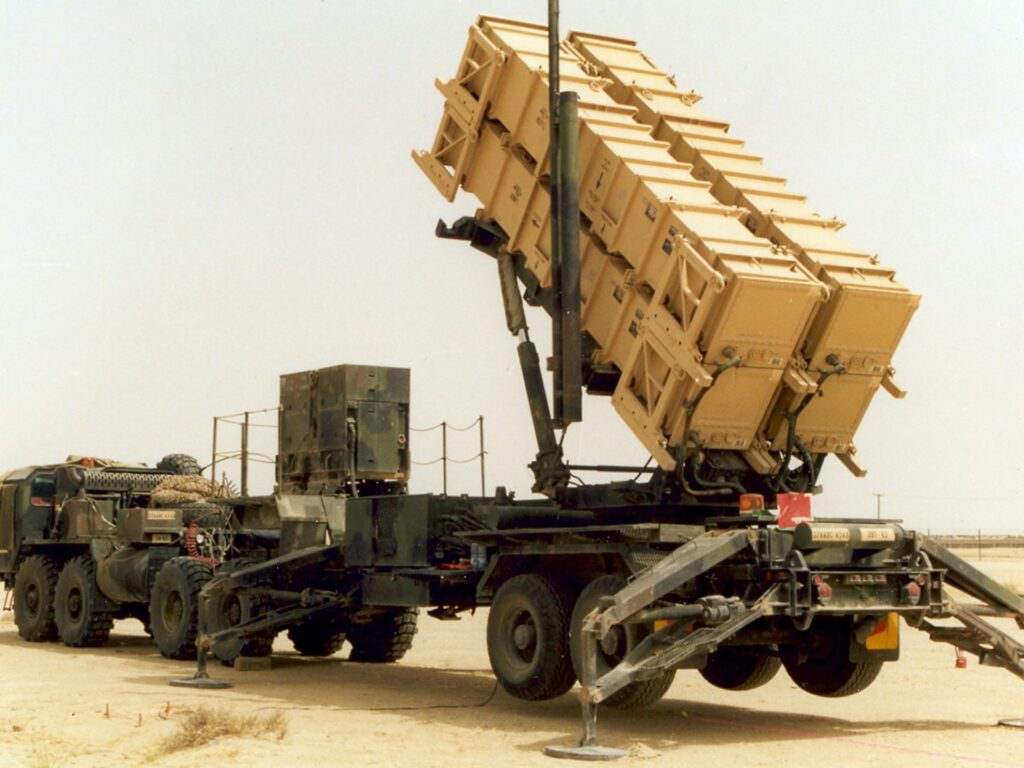
The U.S. said Iranian missiles and drones targeting Kuwait and Bahrain failed or were intercepted, while Kuwait reported a later airport attack that caused injuries and damage. Washington struck an Iranian ground control station on Qeshm Island as both sides disputed the status of ceasefire talks.
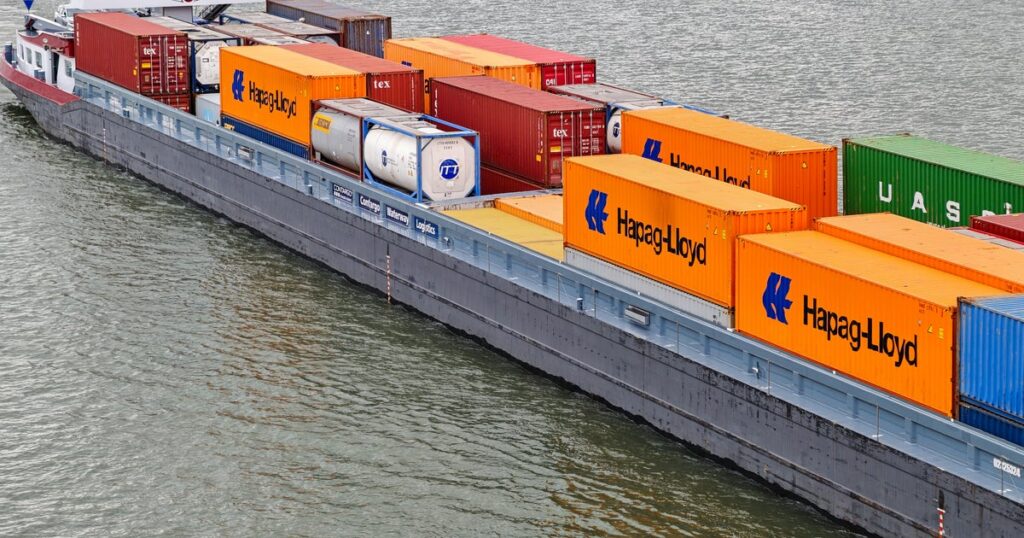
The Trump administration proposed tariffs of 10% to 12.5% on 60 trading partners, accusing them of failing to block imports made with forced labor. The duties would affect countries accounting for nearly all U.S. imports but must clear a comment process before taking effect.
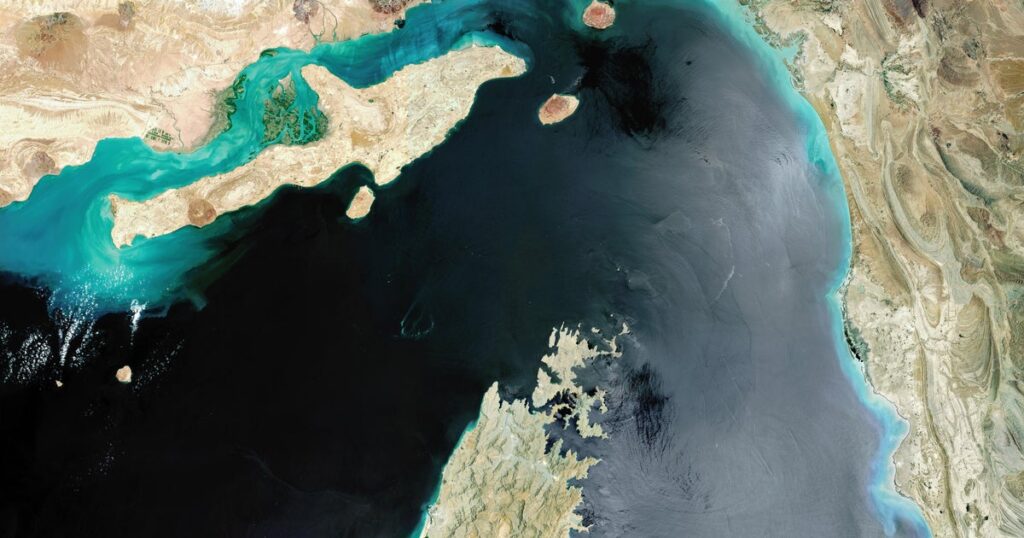
U.S. forces struck a military site on Iran’s Qeshm Island after shooting down Iranian drones and missiles, while Iran said its attacks responded to U.S. action against a tanker. The clashes come as ceasefire negotiations remain stalled and shipping through the Strait of Hormuz is disrupted.

U.S. Coast Guard divers have returned to the Bahamas to search for Lynette Hooker, a Michigan woman missing since April. CBS News reported that U.S. officials are investigating the case as a possible foreign murder of a U.S. national.
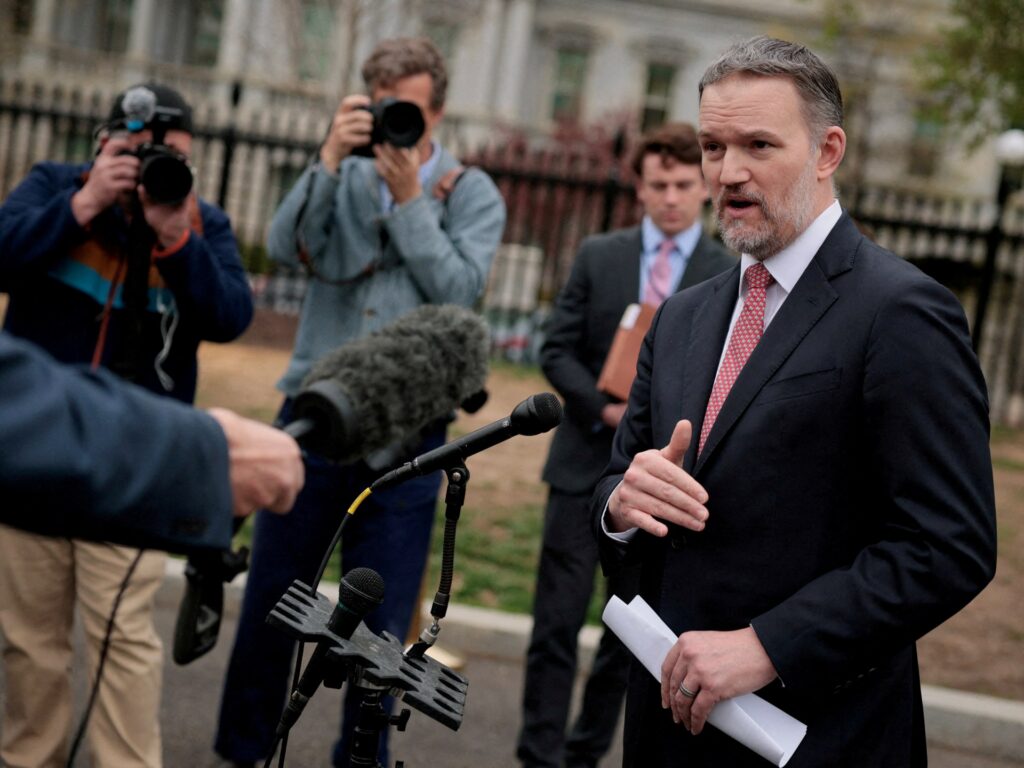
The Trump administration proposed 25% tariffs on Brazilian imports after a Section 301 investigation into trade practices including digital trade, deforestation and anti-corruption enforcement. Brazil’s President Luiz Inácio Lula da Silva denounced the move and said his government could retaliate.
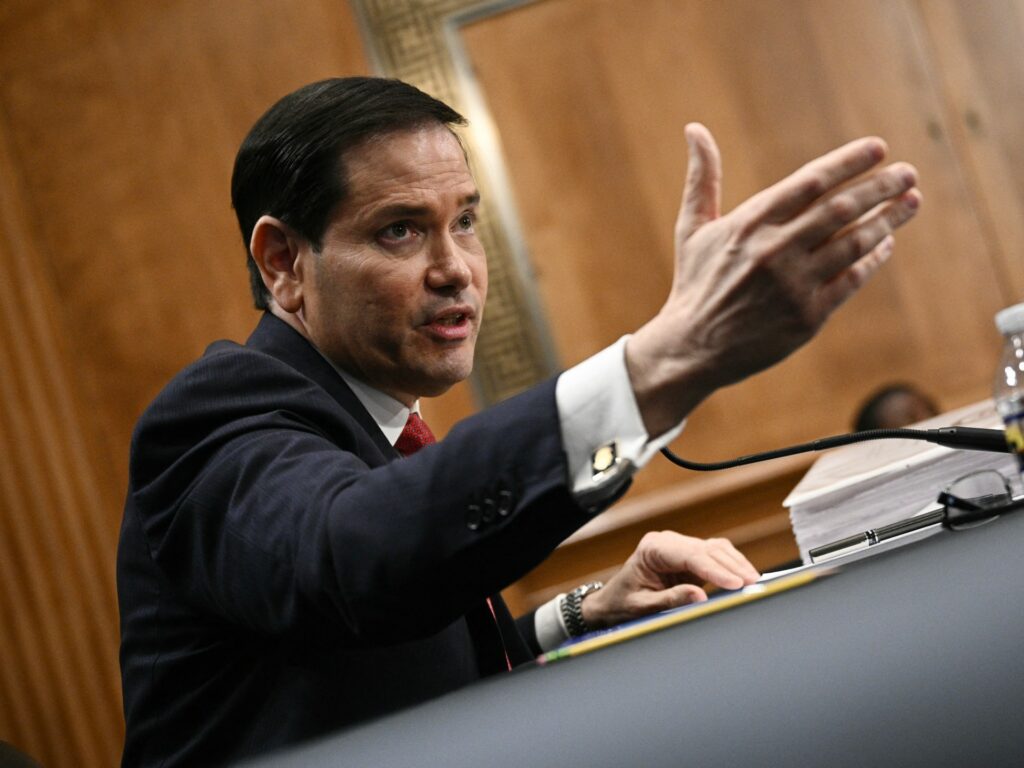
Secretary of State Marco Rubio said Iran may now discuss previously off-limits parts of its nuclear program, but Tehran has warned that Israeli attacks in Lebanon could halt talks. Rubio said reopening the Strait of Hormuz is a precondition for further negotiations, not a basis for sanctions relief.