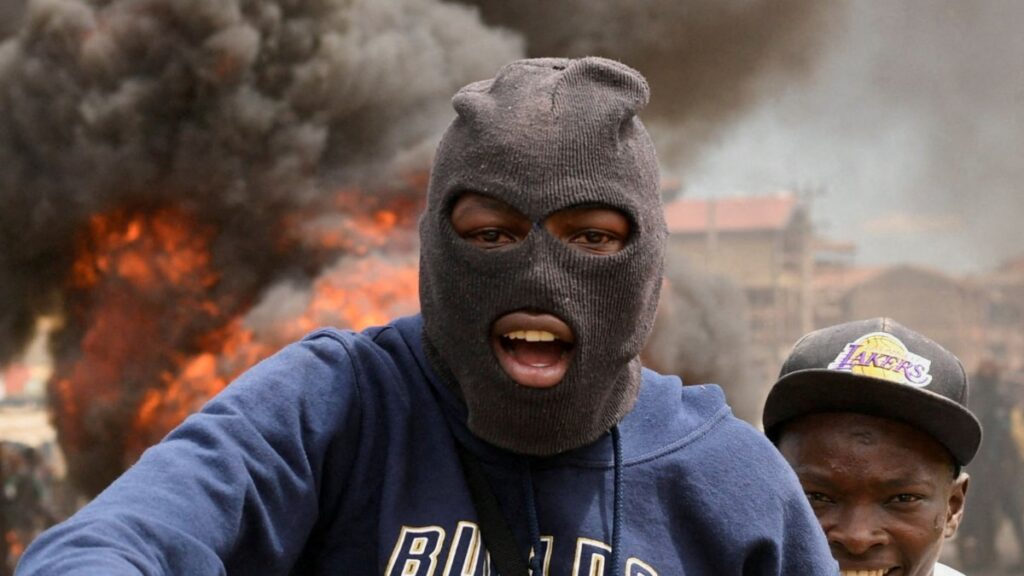
Tensions between the United States and Iran have sharply escalated over the closure of the strategic Strait of Hormuz, with the U.S. issuing an ultimatum threatening to target Iran’s energy infrastructure and Iran responding with warnings of retaliatory strikes on U.S. and Israeli assets. Military engagements have already occurred, causing significant disruptions to global oil supplies and surging prices, while international efforts to secure the strait face challenges due to Iran’s control over critical infrastructure through the IRGC. Experts warn that military action alone may not resolve the crisis and highlight the potential humanitarian risks of targeting energy infrastructure linked to civilian services, prompting calls for careful strategic decisions amid growing regional instability.
Posts tagged as “Debate Clause of the United States Constitution”
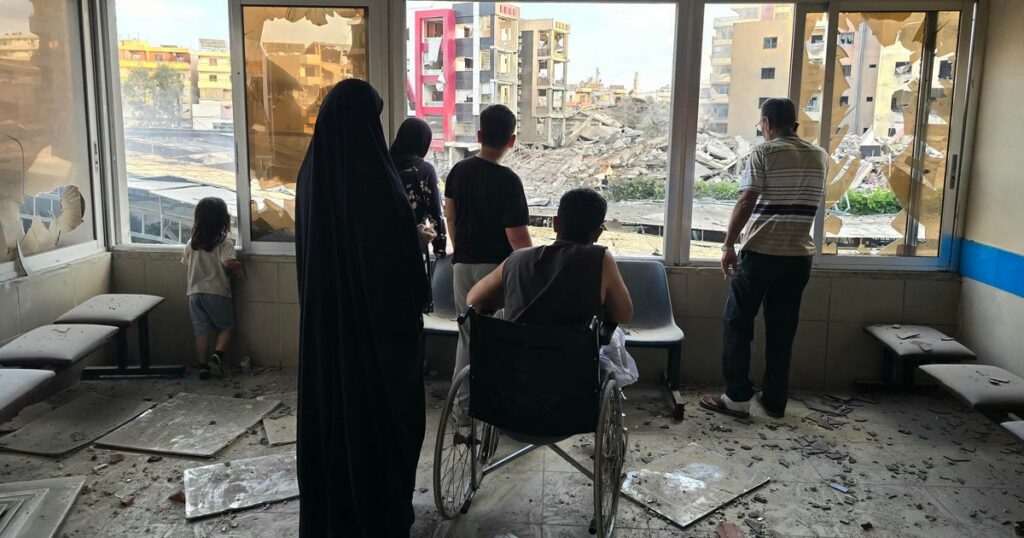
Iranian missile strikes targeted the Israeli towns of Dimona and Arad near the country’s main nuclear research center, injuring at least 90 people and causing significant damage. The attacks followed an airstrike on Iran’s Natanz nuclear facility and marked an escalation in the ongoing conflict, with Israeli officials condemning the strikes as reckless and strategically aimed at civilians. Meanwhile, U.S. intelligence testimony before Congress revealed differing objectives between the U.S. and Israel in the conflict and warned of potential broader regional impacts, including threats to U.S. forces and disruptions to global oil supplies.
K-pop supergroup BTS reunited for their first concert in nearly four years at Seoul's historic Gwanghwamun Square, drawing tens of thousands of fans and marking a symbolic return after completing their mandatory military service. The performance featured traditional Korean elements, songs from their new album "Arirang," and global hits, and was live-streamed on Netflix to a worldwide audience. This concert launched BTS's extensive global tour, highlighting their enduring cultural impact and resilience.
Airport delays across the U.S. have worsened due to a funding stalemate in Congress over the Department of Homeland Security budget, causing TSA workers to miss paychecks and leading to severe staffing shortages and long security wait times. The impasse is fueled by political disputes over immigration enforcement reforms, with Democrats blocking full DHS funding and Senate leaders seeking urgent solutions before the upcoming recess. Meanwhile, scrutiny of DHS procurement practices has intensified amid reports of controversial contracts and operational failures, further complicating efforts to restore stability to the department.
The U.S. Treasury Department has temporarily eased sanctions on Iranian oil shipments already at sea to help lower soaring global energy prices, allowing purchases of oil loaded before a specified deadline until April 19. This narrowly tailored move aims to increase supply without significantly benefiting Iran financially, marking a shift from previous maximum pressure policies amid ongoing tensions and geopolitical conflicts affecting oil markets. However, experts remain skeptical about the relief’s effectiveness, while high fuel costs continue to impact industries like aviation, prompting operational adjustments and discussions of increased security measures in critical shipping routes.
Severe flooding on Oahu, Hawaii, has led to evacuation orders for over 5,000 residents due to concerns about the aging Wahiawa dam potentially failing after intense rainfall. The flooding has caused catastrophic damage, with emergency crews rescuing stranded residents and the National Guard activated to assist, while ongoing heavy rains continue to pose risks. Governor Josh Green emphasized the urgency of evacuations as water levels fluctuate, amid a broader pattern of extreme weather events across the United States.
The conflict involving the United States, Israel, and Iran has intensified tensions across the Persian Gulf, with Iran launching retaliatory strikes on energy and civilian infrastructure in neighboring countries, prompting a high-level Gulf states meeting in Riyadh to address the escalating crisis. These attacks have severely impacted regional security and global energy markets, causing significant damage to oil and gas facilities and driving up oil prices, while military confrontations have included missile strikes, air raids, and the emergency landing of a U.S. F-35 jet. Despite widespread alerts and civilian sheltering, Gulf states remain divided on their response, with calls for de-escalation and ceasefire from some, amid fears of broader regional destabilization.
The U.S. Department of Justice seized four internet domains linked to Iranian government-backed hacking groups involved in cyberattacks, data theft, and intimidation of dissidents, including threats against individuals in the U.S. These groups, such as Handala and Homeland Justice, have targeted entities like a U.S. medical technology company and foreign governments, using custom malware and psychological warfare tactics. The seizures come amid heightened regional tensions following recent U.S. and Israeli military actions against Iran, with U.S. officials vowing to continue countering Iranian cyber threats to national security.